OEM vs ODM Sportswear Manufacturing: Which Model Fits Your Brand?
OEM vs ODM sportswear manufacturing defines how much of the product specification comes from the buyer versus an existing supplier platform.
Short answer: OEM sportswear manufacturing produces a buyer’s original specification, while ODM manufacturing adapts an existing supplier-developed style. OEM offers more product control and differentiation; ODM can reduce development work and speed up market testing.
Choosing OEM or ODM changes the buyer’s responsibilities, intellectual-property questions, sampling work, minimum quantities and timeline. The terms are often used loosely, so contracts and quotations should describe the actual deliverables rather than relying on the label alone.
OEM vs ODM: Quick Comparison
| Factor | OEM | ODM |
|---|---|---|
| Starting point | Buyer-owned concept or tech pack | Supplier’s existing style platform |
| Development control | High | Moderate, within available options |
| Speed | More sampling may be required | Often faster when base style is proven |
| Differentiation | Potentially stronger | Depends on customization and exclusivity |
| Buyer workload | Detailed specification and approvals | Selection, branding and adaptation |
| Key risk | Incomplete development specification | Assuming an existing design is exclusive |
What Is OEM Sportswear Manufacturing?
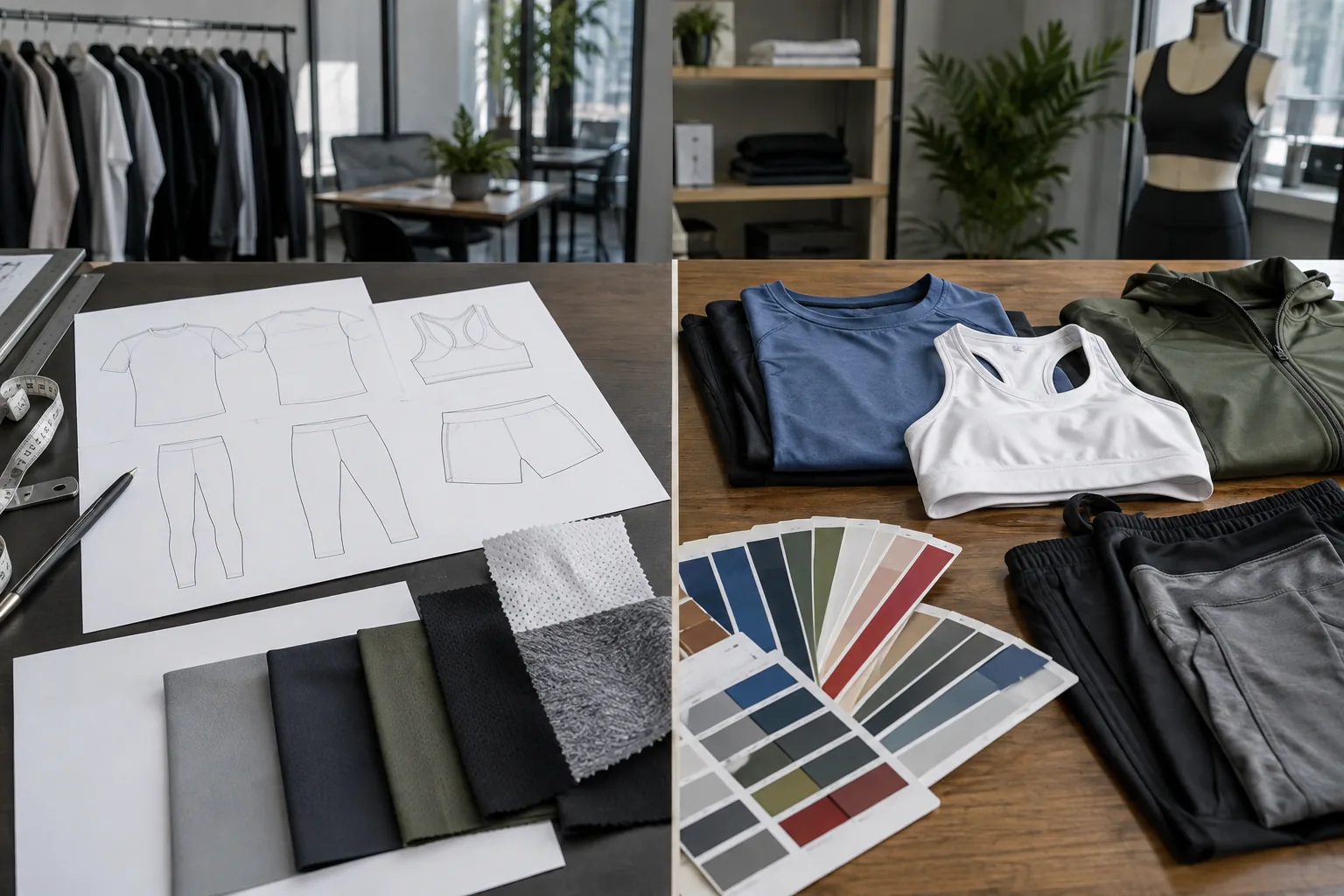
In an OEM project, the buyer supplies or owns the product specification and the manufacturer turns it into a sample and bulk product. The package may include technical drawings, measurements, graded sizes, fabric and trim requirements, color references, branding, packaging and quality standards.
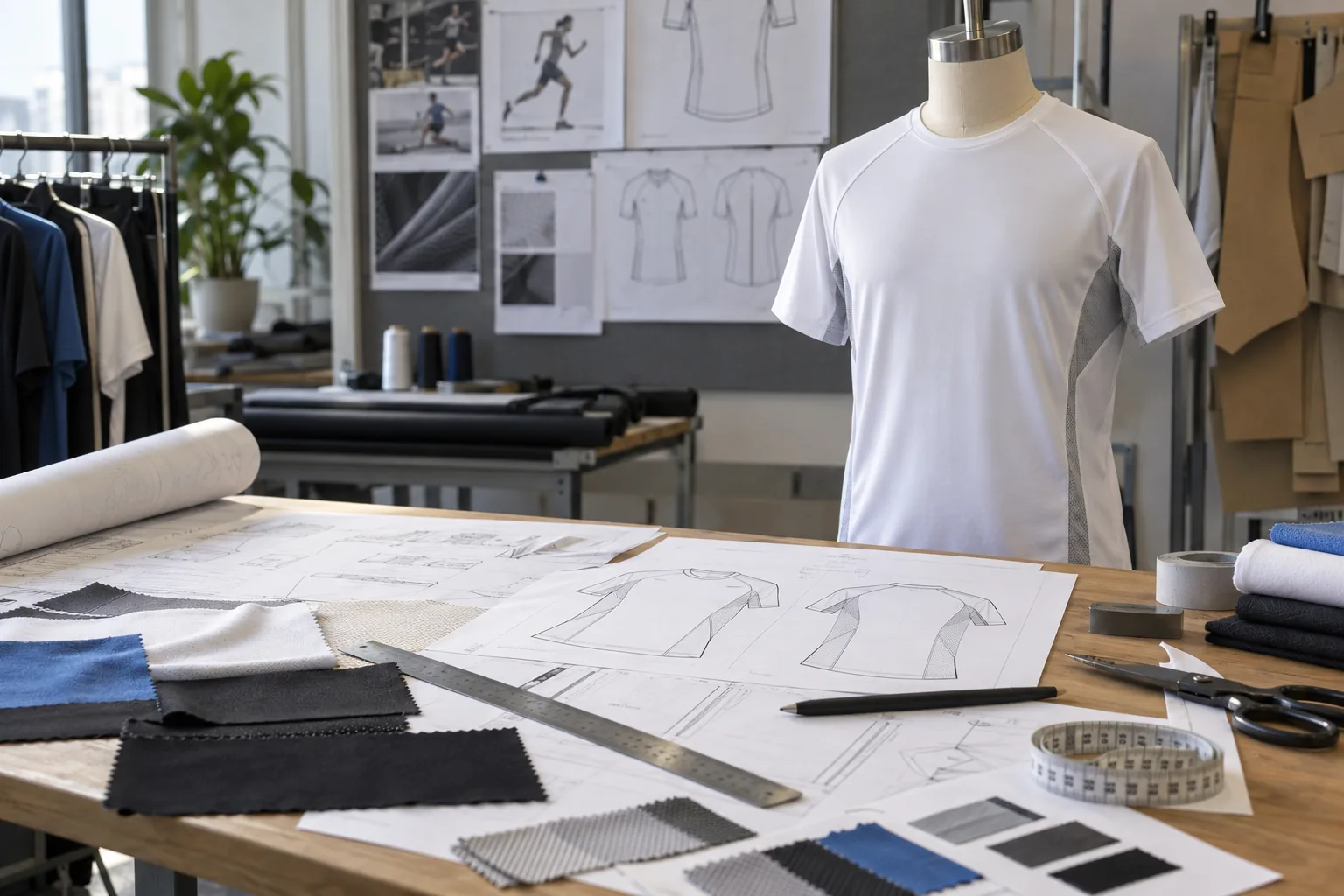
OEM is useful when fit, performance, construction or branding is strategically important. It also requires disciplined version control. The manufacturer should not begin bulk production until materials, measurements, decoration and the pre-production sample are approved.
What Is ODM Sportswear Manufacturing?
In an ODM project, the manufacturer offers an existing design or product platform that the buyer can adapt through color, fabric, logo, labels or packaging. The level of customization varies. Some suppliers offer only cosmetic changes; others allow meaningful material and construction choices.
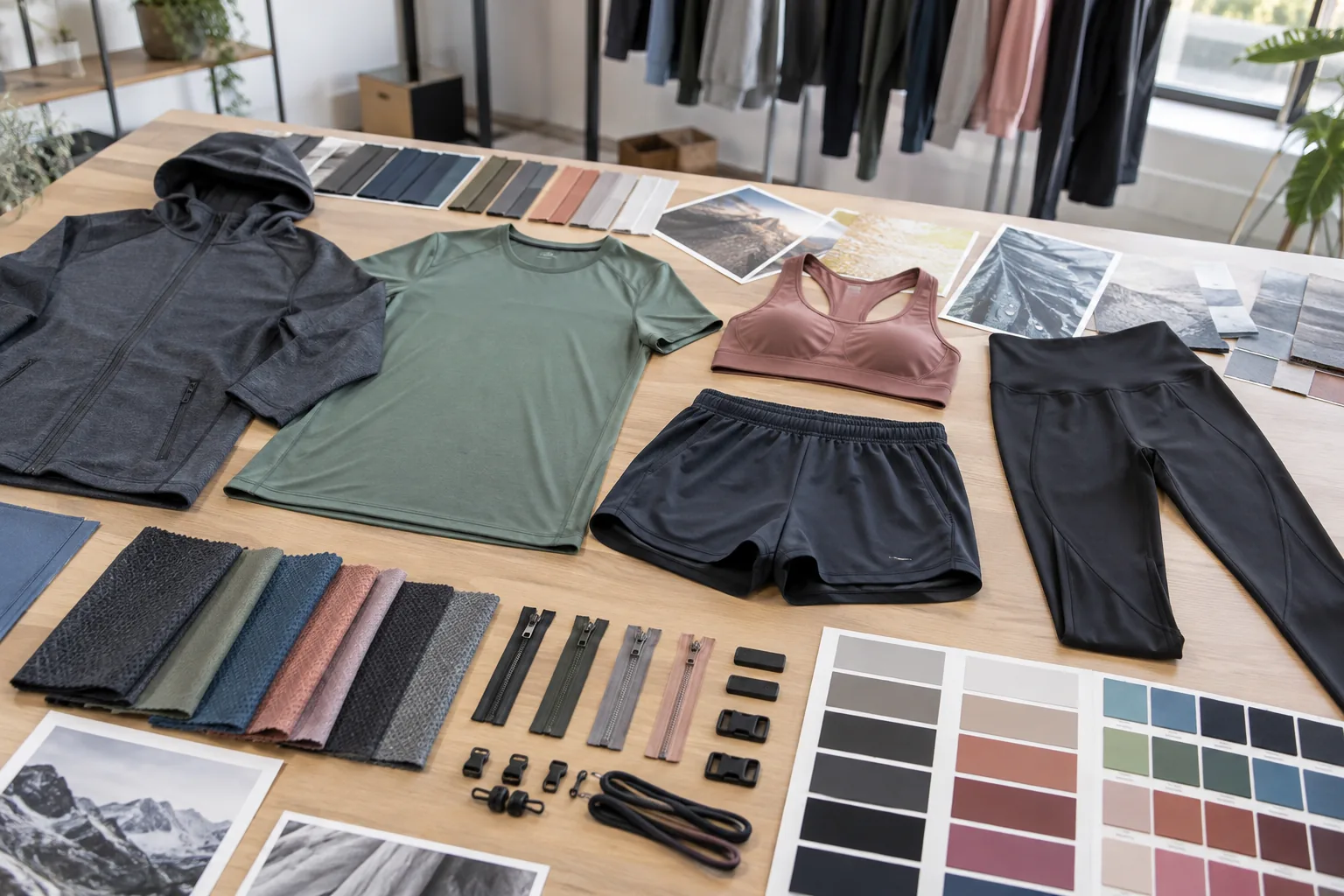
ODM can suit market tests, smaller product teams and buyers who do not need a unique pattern. However, confirm whether the style is available to other customers, who owns modifications and whether future repeat production is guaranteed.
How to Choose
- Choose OEM when proprietary fit, construction or performance is central to the brand.
- Choose ODM when speed and a proven base style matter more than full uniqueness.
- Use a hybrid approach when an existing block can be modified substantially.
- Compare total development, sampling and landed cost—not unit price alone.
- Confirm ownership, confidentiality and exclusivity in writing.
Questions to Ask the Manufacturer
- Which design elements are buyer-owned and supplier-owned?
- Is the base style sold to other brands?
- What may be changed without creating a new pattern?
- What MOQ applies per style, fabric and color?
- Are custom materials stock, reserved or specially produced?
- How many sample rounds are included?
- Who owns patterns, molds, artwork files and graded measurements?
- What happens if a material becomes unavailable?
OEM vs ODM Decision Matrix
Is private label the same as OEM?
Not always. Private label describes selling under the buyer’s brand; the underlying product may be OEM-developed, ODM-adapted or a decorated stock item.
Is ODM automatically cheaper?
No. It may reduce development work, but cost still depends on materials, customization, quantity, quality requirements and logistics.
Discuss the Right Manufacturing Route
Prepare your target product, quantity, market, delivery date and required level of customization. Review our private-label and manufacturing capabilities and quality-control process. Then contact JIUMU for an OEM or ODM feasibility review or browse our sportswear categories.