What Are Sublimated Jerseys? Benefits, Durability and Custom Ordering
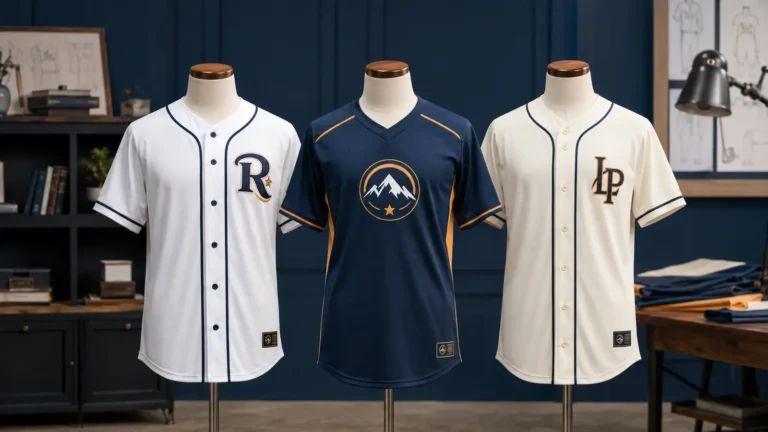
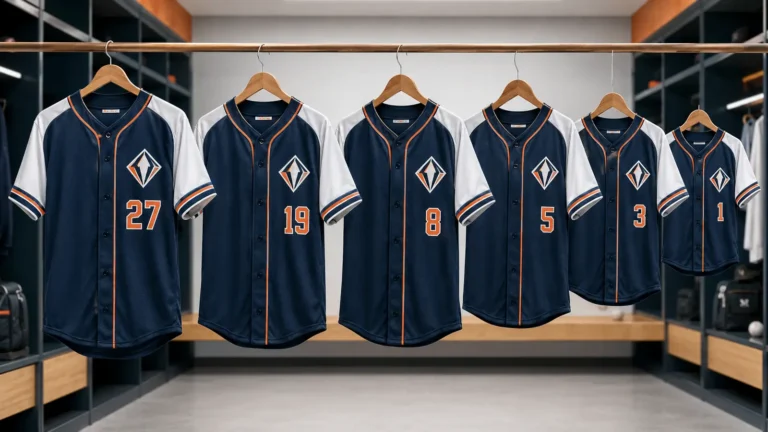
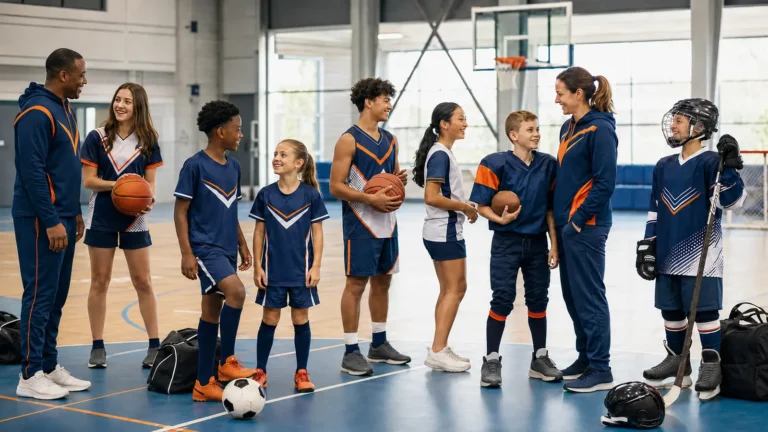
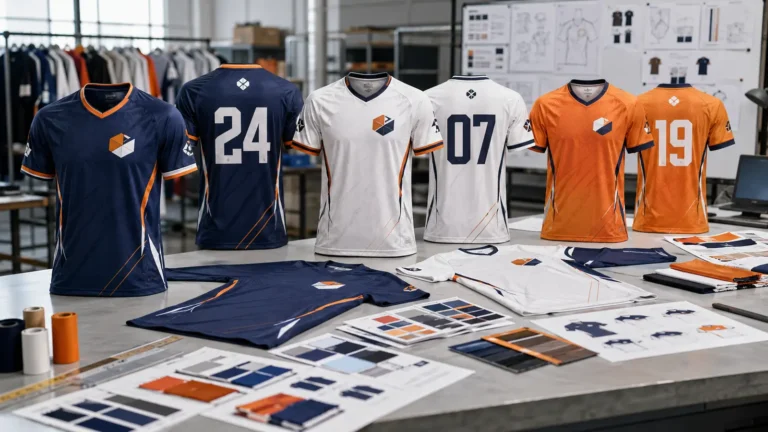
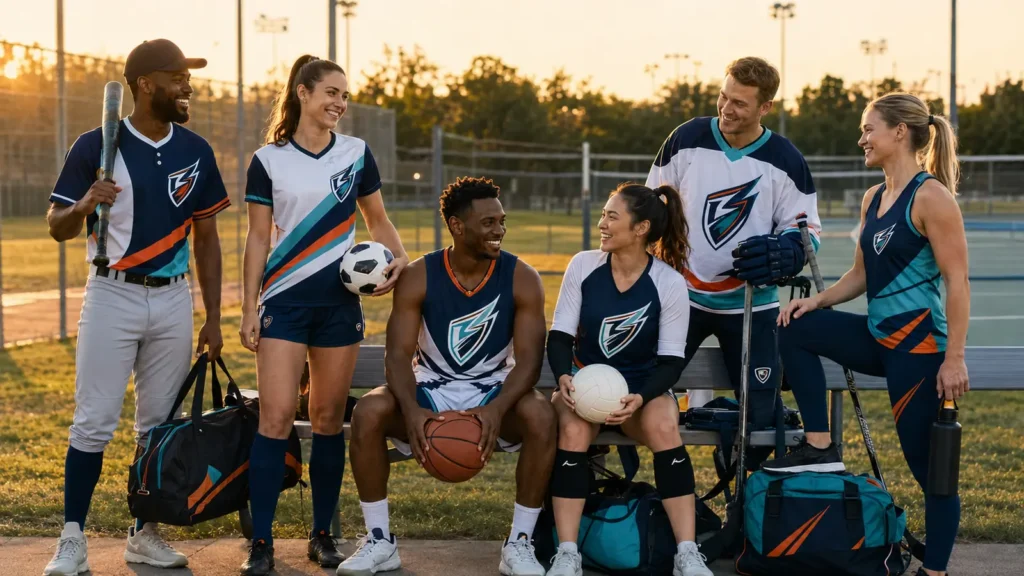
Sublimated jerseys are custom sports garments whose colors, logos, names, numbers, gradients, and background graphics are dyed into polyester fabric with heat. Instead of placing a separate layer of ink, vinyl, or twill on top of a finished shirt, the process turns the artwork into part of the fabric surface. That difference is why sublimation is widely used for custom baseball, basketball, soccer, hockey, volleyball, esports, and multi-sport teamwear.
For a team manager or apparel buyer, “sublimated” does not mean that every jersey is equal. Fabric, pattern, color, cutting, seams, fit, grading, and quality control still determine performance. This guide explains the benefits, realistic durability, and bulk-order requirements.
Quick Answer: A sublimated jersey is normally made by printing digital artwork with sublimation dyes and using heat to transfer or fix those dyes into polyester. The printed design has almost no raised surface, so it does not crack or peel like an applied film. Sublimation supports full-color, all-over graphics and efficient player personalization. Its best results are usually achieved on light-colored polyester fabrics. Buyers should still approve the fabric, color, fit, panel alignment, construction, care label, and physical sample before bulk production.
Preparing a Sublimated Jersey Quote
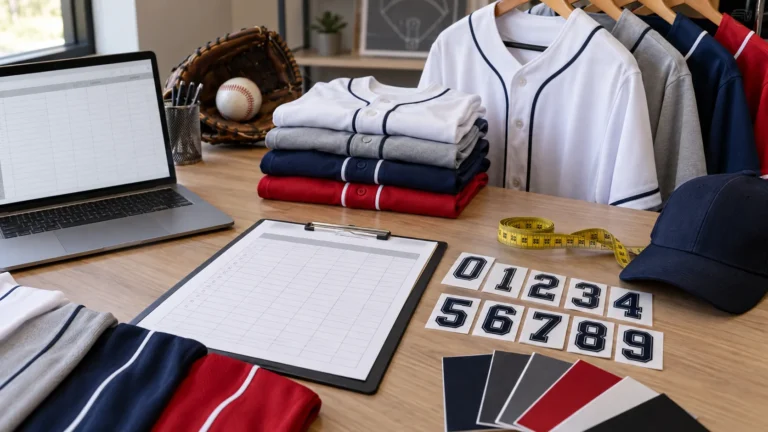
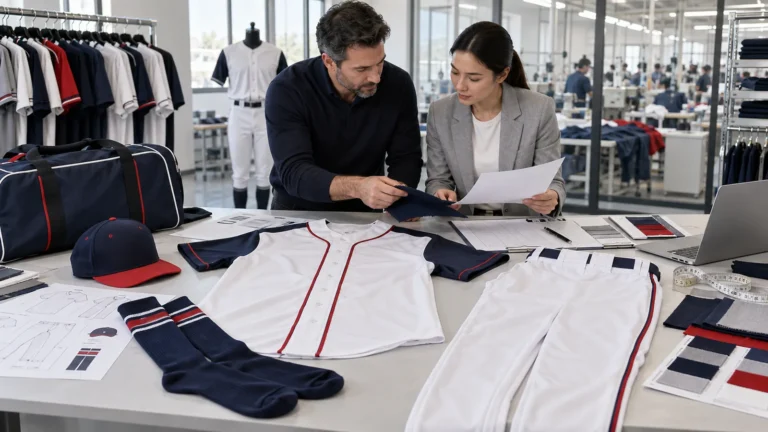
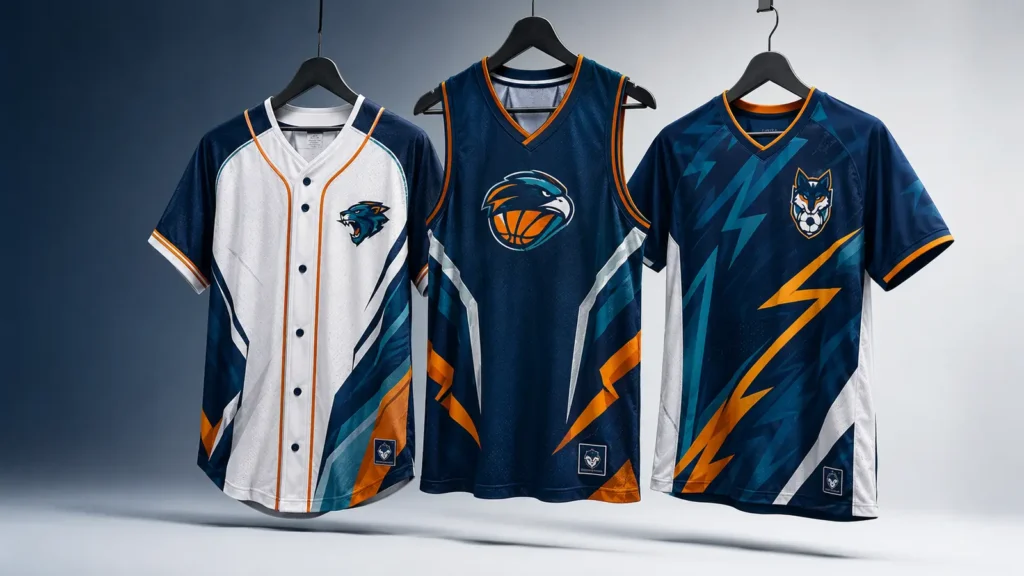
Provide the sport, jersey silhouette, polyester fabric preference, artwork files, color references, sponsor and logo positions, player names and numbers, roster by size, quantity, destination, and required date. Approve a production-intent sample for color, fit, print sharpness, panel alignment, seams, and wash performance before bulk manufacturing.
Explore custom team jerseys and custom baseball jerseys, then request a sublimated jersey quotation with your artwork and roster.
What Does “Sublimated Jersey” Mean?
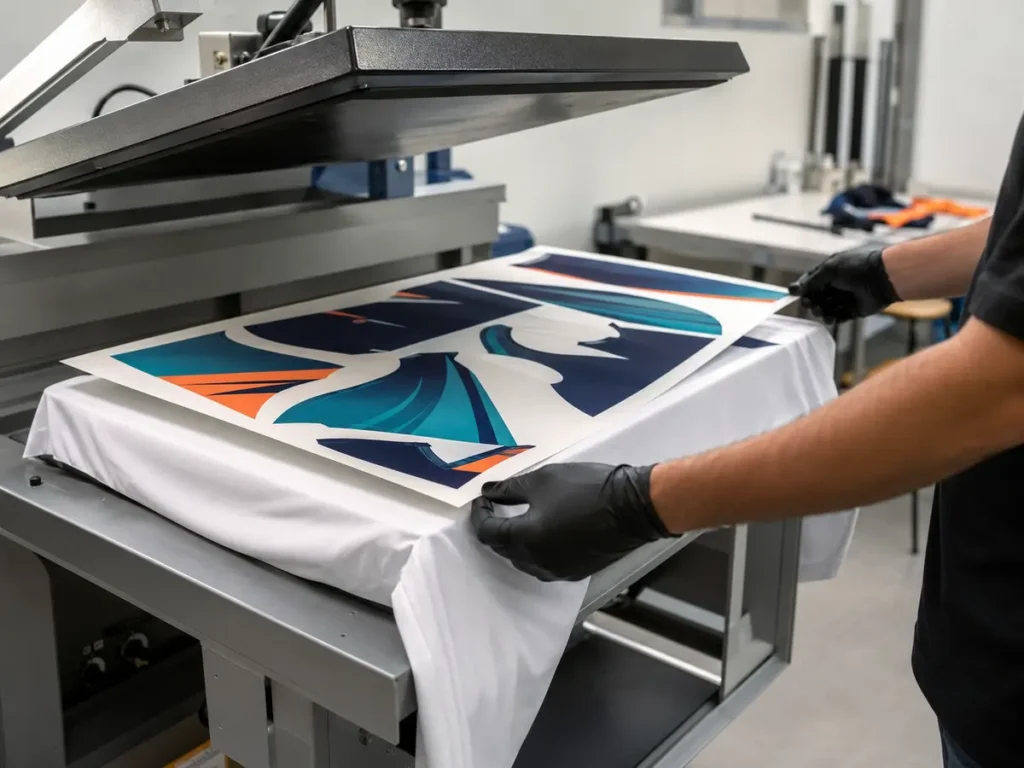
In a common transfer-sublimation workflow, a digital design is printed onto transfer paper with special dye-sublimation ink. Heat and pressure cause the dye to move from the paper into polyester fibers. Equipment manufacturers describe the ink as being fixed into polyester at high temperature; direct-sublimation systems can also print onto prepared polyester before heat fixation. Both routes differ from applying a thick decorative layer to the garment surface. Mimaki explains transfer and direct sublimation on polyester, while Epson describes the transfer-paper, heat, and pressure process.
Most custom team jerseys are produced with a cut-and-sew sublimation workflow:
- The buyer and supplier confirm the jersey style, fabric, colors, logos, sponsor marks, names, numbers, and size roster.
- Artwork is placed on digital garment pattern pieces.
- The pattern artwork is printed to transfer paper.
- The design is heat-transferred to rolls or cut pieces of polyester.
- The decorated pieces are cut, matched, and sewn into finished jerseys.
- Labels, packaging, measurements, personalization, and visual quality are checked.
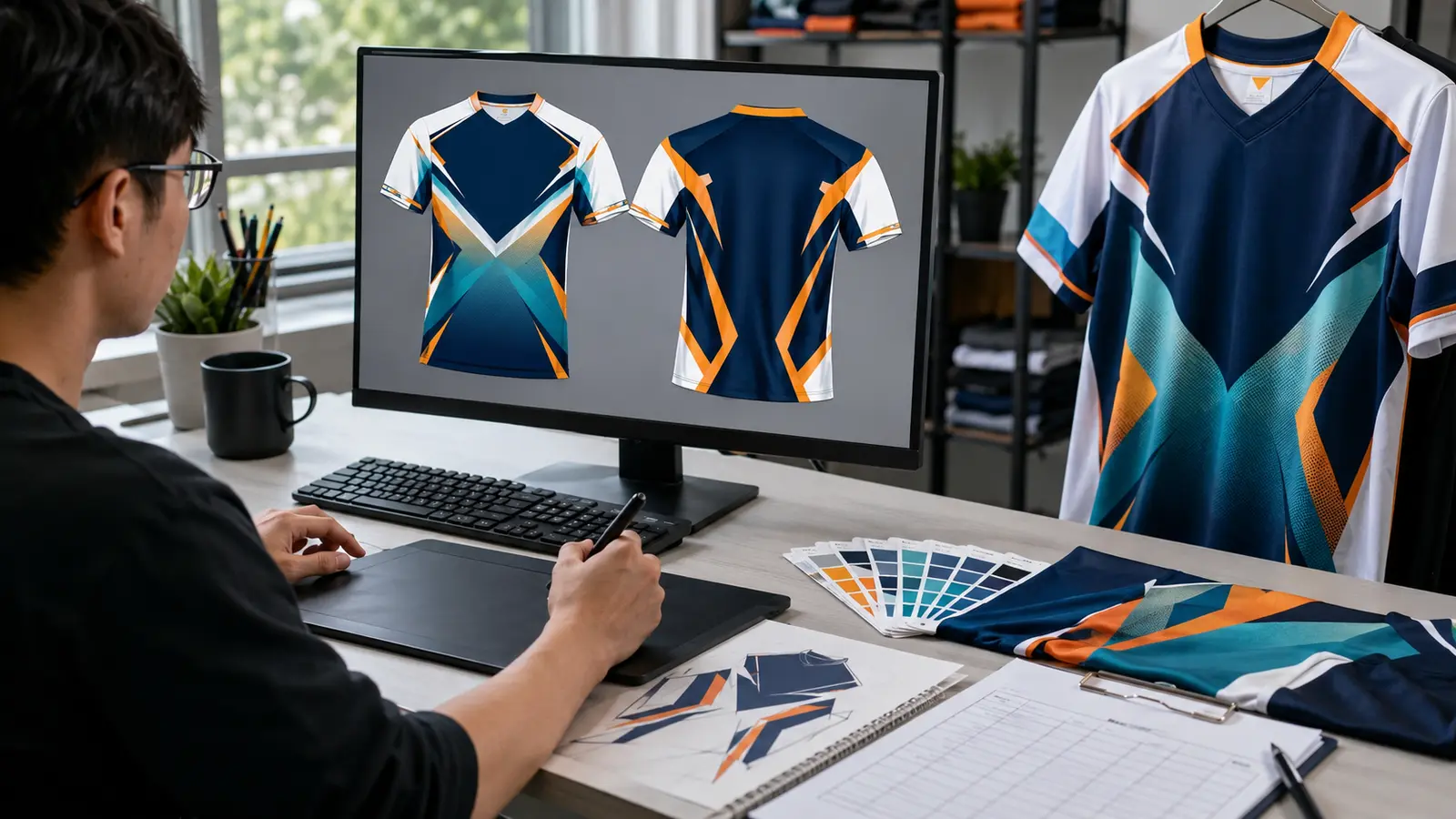
This sequence lets graphics run across the body, sleeves, shoulders, and side panels. It also means artwork has to respect the garment pattern. A design that looks perfect on a flat screen can change around a V-neck, underarm panel, curved side seam, or button placket.
Why Do Teams and Apparel Buyers Choose Sublimation?
The main value of sublimation is not simply “more colors.” It is the ability to combine visual freedom, personalization, and a low-profile print in one production method.
Full-coverage design freedom
Sublimation can reproduce gradients, camouflage-inspired textures, tonal backgrounds, pinstripes, geometric patterns, sponsor marks, player names, and numbers within the same digital artwork. A buyer can create a restrained two-color uniform or an all-over visual identity without adding a separate decoration process for every graphic.
This is especially useful for travel teams, multi-sport schools, clubs with several age groups, graphics-led apparel brands, sponsor-heavy programs, distributors, and esports organizations.
No thick printed layer
Because the color is dyed into the polyester rather than sitting as a heavy film on top, the printed area keeps the basic feel and flexibility of the selected fabric. A full-front graphic does not create the same large, solid surface layer that some transfers or screen-printed designs can create. The jersey’s breathability still depends on the fabric knit and garment construction, but the sublimated graphic itself does not block mesh openings with a thick applied patch.
Graphics do not crack or peel
A properly sublimated design does not have an applied edge that can lift. It therefore avoids the characteristic cracking, peeling, or delamination failure of some surface-applied graphics. This statement applies to the sublimated print, not to every optional decoration. If a buyer adds embroidered crests, rubber patches, heat transfers, or tackle twill, those components have their own durability and care requirements.
Efficient names and numbers
Player names and numbers can be built into each digital pattern before printing. That makes variable personalization practical without sewing a separate number set onto every garment. Accuracy is still critical: the supplier should receive a locked roster with player name, number, garment size, style, and quantity in clearly separated columns.
Consistent design files for repeat orders
Approved artwork, pattern, color, fabric, and size records give repeat orders a controlled starting point. Because material or process changes can affect the result, retain an approval sample or equivalent record.
Sublimation vs Embroidery, Tackle Twill, Screen Printing and Heat Transfer
No decoration method is best for every brief. Sublimation is strongest when the design needs full coverage, many colors, gradients, or extensive personalization. Traditional methods can be better when the buyer wants a raised heritage look, a small premium crest, or decoration on fabrics that are unsuitable for sublimation.
| Method | How it is added | Best design use | Surface feel | Main buyer consideration |
|---|---|---|---|---|
| Sublimation | Dye is heat-fixed into polyester | All-over graphics, gradients, names, numbers, complex color | Very low profile | Best on compatible polyester; color and fabric must be sampled |
| Embroidery | Thread is stitched through fabric | Small crests, wordmarks, premium badges | Raised and textured | Adds weight and stiffness; dense designs need backing and stitch planning |
| Tackle twill | Fabric letters or numbers are cut and sewn/applied | Traditional baseball, football, and hockey styling | Layered and dimensional | More labor, weight, and edge detail; classic appearance |
| Screen printing | Ink is pushed through screens onto fabric | Bold graphics and larger quantities with controlled colors | Depends on ink and coverage | Color count, screens, fabric, and curing affect the result |
| Heat transfer | Printed or cut film is pressed onto the garment | Small runs, individual marks, names, numbers | Noticeable surface layer | Adhesion, pressing conditions, stretching, and care influence service life |
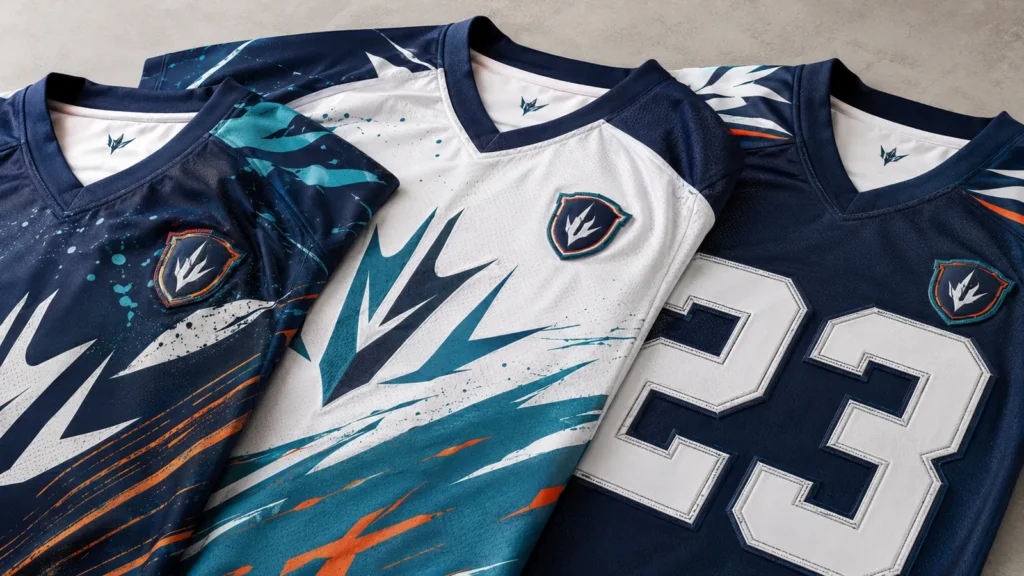
A hybrid jersey can be a valid option. For example, the main body and player number can be sublimated, while a small embroidered or woven crest adds physical texture. The buyer should approve the combined sample because every extra component changes weight, flexibility, cost, care, and production time.
Which Fabrics Work Best for Sublimated Jerseys?
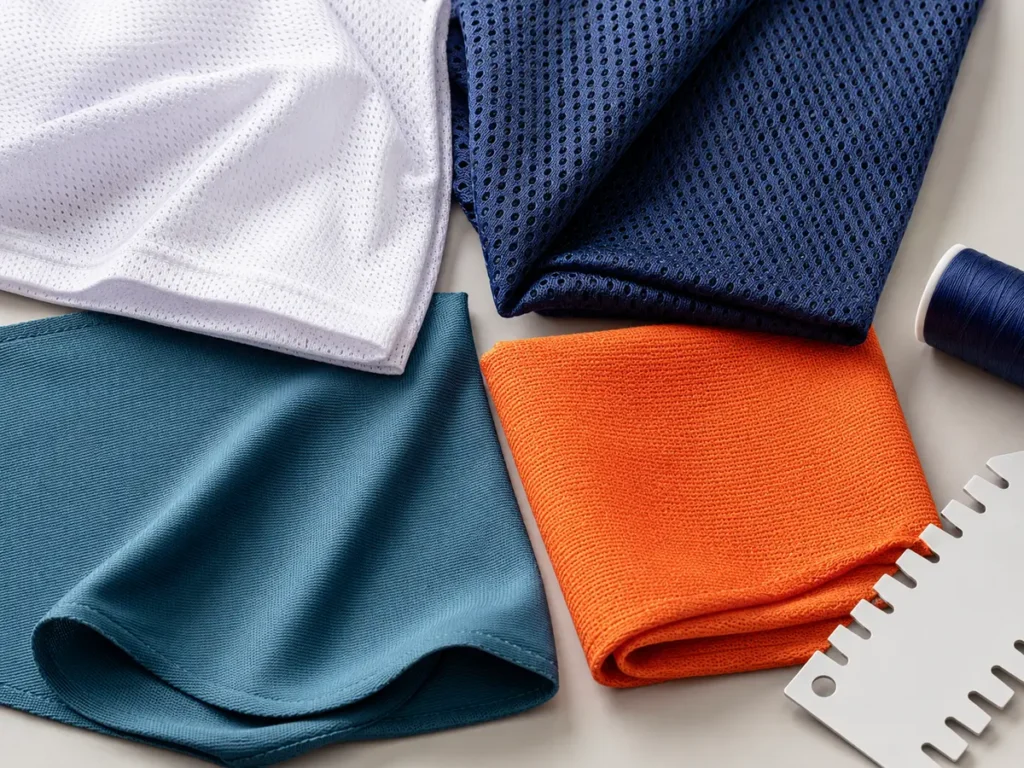
Sublimation is primarily associated with polyester because the dyes are designed to bond with compatible synthetic fibers. Equipment documentation consistently positions polyester as the main textile substrate for dye-sublimation sportswear. Mimaki lists sportswear among its polyester sublimation applications.
“Polyester,” however, is a fiber category rather than a complete performance specification. Two 100% polyester fabrics can have very different weight, knit, stretch, opacity, softness, moisture handling, snag resistance, and drape.
Common fabric constructions
| Fabric option | Visual and physical character | Common jersey use | Questions for the supplier |
|---|---|---|---|
| Smooth interlock | Even surface, clear graphics, moderate structure | Basketball, soccer, volleyball, fanwear | What is the weight, stretch, opacity, and snag behavior? |
| Micro-mesh | Fine ventilation openings and light hand | Training jerseys, soccer, basketball | Will the print remain visually even across the holes? |
| Birdseye or performance mesh | Textured face with visible knit pattern | Multi-sport team jerseys | Is the fabric suitable for detailed logos and small sponsor marks? |
| Double-knit or heavier jersey knit | More body and opacity | Baseball, hockey-style jerseys, durable teamwear | How does the extra weight affect heat, drape, and delivery cost? |
| Stretch polyester blend | Greater recovery or fitted feel | Volleyball, cycling-inspired tops, close-fit performance jerseys | What is the exact fiber composition and approved sublimation result? |
Do polyester blends work?
They can, but the result depends on the blend and finish. When a fabric contains non-polyester fibers, those fibers may not take sublimation dye in the same way. The print can appear softer, heathered, or less saturated than it does on a compatible white polyester. A buyer should not approve a color only from a monitor or from a different fabric.
Ask for:
- exact fiber composition;
- fabric weight and construction;
- stretch direction and recovery;
- opacity under movement;
- color strike-off on the actual fabric;
- wash and rubbing performance appropriate to the intended use;
- confirmation of any wicking, antimicrobial, recycled-content, or other claim with supporting documentation when that claim matters.
Avoid assuming that “lightweight” means transparent or fragile, or that “heavyweight” automatically means more durable. Yarn, knit density, finishing, panel design, seam type, and use conditions all matter.
Are Sublimated Jerseys Durable?
Yes, a well-made sublimated jersey can be durable for team use, but durability has several separate dimensions. Buyers should evaluate them independently.
Print integrity
The key advantage is that the sublimated graphic is not a detachable surface layer. It does not crack or peel in the way an applied film might. That makes it suitable for large graphics and repeated movement. However, “cannot peel” is not the same as “cannot fade.” Long-term color appearance can still be influenced by ultraviolet exposure, aggressive chemicals, excessive heat, inappropriate laundering, abrasion, the polyester and ink system, and the original process control.
Colorfastness
Colorfastness describes resistance to changes or transfer under specified conditions. A supplier or laboratory can test the relevant fabric and print combination against an agreed method. For example, ISO 105-X12:2016 addresses color resistance to dry and wet rubbing. Buyers should define the destination market, use, test method, required grade, sample state, and who pays for testing before placing the order. Naming a standard without agreeing on a measurable requirement is not enough.
Fabric durability
The print may remain intact while the fabric snags, pills, stretches, becomes abraded, or loses recovery. Contact sports, hook-and-loop fasteners, rough bench surfaces, equipment straps, and frequent commercial laundering place different demands on a jersey. Choose the fabric for the sport and service environment rather than choosing by print appearance alone.
Seam and construction durability
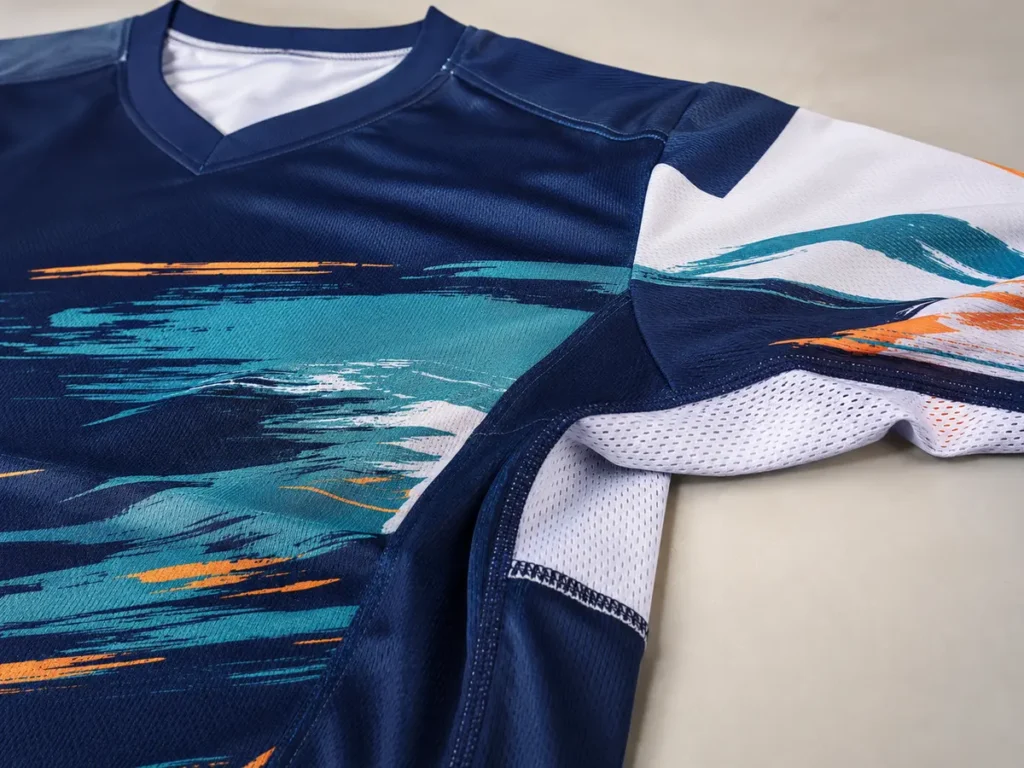
Stress commonly concentrates at the shoulder, armhole, underarm, side seam, neckline, placket, and hem. Review seam type, thread, stretch compatibility, seam allowance, bartacks or reinforcement where needed, and the cleanliness of the inside finish. A visually vivid jersey with poor seam engineering is still a poor jersey.
Personalization and accessory durability
If every name and number is sublimated, they share the low-profile construction of the main graphic. If the order includes patches, labels, reflective transfers, silicone marks, or embroidery, approve those items separately. A care method safe for the sublimated polyester may not be appropriate for every add-on.
A practical durability checklist
Before bulk production, ask the supplier to confirm:
- fabric code, composition, weight, knit, and color;
- approved artwork and color references;
- transfer or direct-sublimation route;
- print clarity on mesh and at small details;
- colorfastness or wash evidence when required;
- stretch recovery and opacity;
- seam construction at high-stress points;
- panel and stripe alignment expectations;
- attachment method for labels and patches;
- approved care instructions;
- finished-garment measurement tolerances;
- defect criteria and inspection plan.
What Sublimation Cannot Do Perfectly
Transparent limitations make sourcing decisions easier.
It is not ideal for every base color
Sublimation dyes are generally most predictable on white or light compatible polyester because the process does not print an opaque white ink layer. The base fabric contributes to the final color. Printing a bright yellow design onto dark navy polyester will not produce the same result as printing it onto white fabric.
Many dark sublimated jerseys therefore begin with white polyester that is printed dark. Inspect stretch points, the reverse, and exposed interiors because the fabric core may remain light.
Screen color is not fabric color
Monitors emit light; fabric reflects it. The fabric texture, lighting, ink, transfer conditions, color profile, and viewing environment all affect perception. A digital mockup is essential for layout approval, but it is not sufficient for critical color approval. Provide a physical color reference where possible and approve a strike-off on the actual fabric.
Graphics may not align perfectly across every seam
Full-coverage artwork is printed on separate pattern pieces and then sewn together. Stripes, gradients, and motifs near curved seams can shift within production tolerance. Keep critical logos, faces, small sponsor text, and narrow borders away from seam junctions. Ask the supplier what registration tolerance is achievable for the specific pattern and fabric.
It does not replace garment engineering
Sublimation controls decoration. It does not decide whether a jersey fits correctly, stays opaque, resists snagging, or survives repeated use. The buyer still needs to approve the pattern, size chart, fabric, construction, and quality standard.
How to Design a Custom Sublimated Jersey
The strongest design starts with the garment pattern and buying objective, not with a rectangular poster.
1. Define the jersey program
Confirm the sport, player level, climate, fit, sleeve style, collar or neckline, closure, intended season, number of teams, reorder pattern, and target delivery date. A tournament jersey may prioritize visual impact and quick roster personalization. A multi-season school program may prioritize repeat-order consistency and stable sizing.
2. Build a controlled visual system
Send original logo files, approved colors, sponsor marks, typography, and usage rules. Decide which elements must remain identical across sports and which may adapt. Reserve high-contrast space for player numbers and keep important marks away from seams, plackets, and ventilation zones.
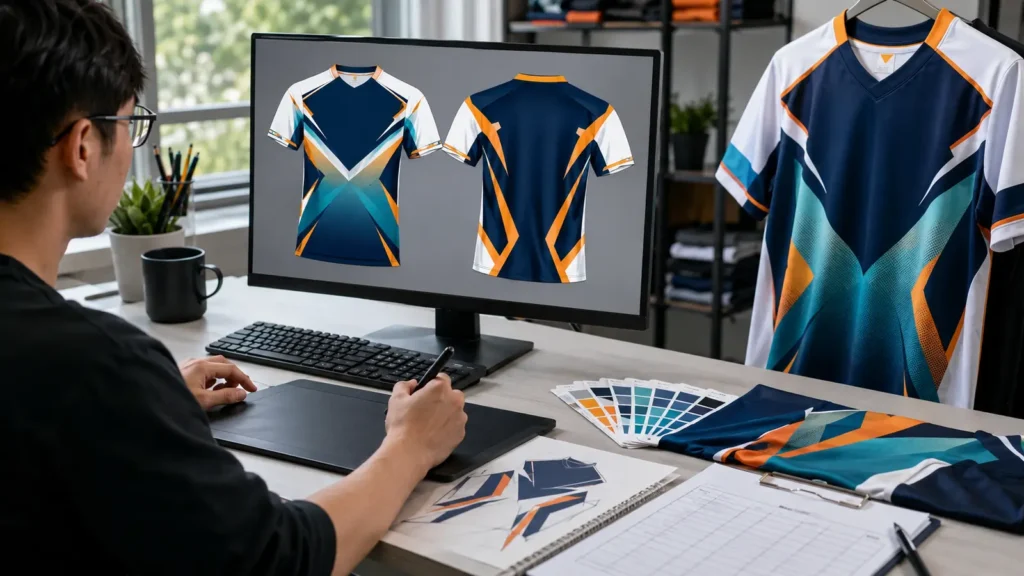
3. Approve front, back, sides, and sleeves
A front-only mockup hides many production risks. Review all views, including:
- front and back logo positions;
- player name and number hierarchy;
- sleeve numbers or sponsor marks;
- collar and cuff colors;
- side-panel transitions;
- button or placket interruption;
- hem position;
- youth and adult scaling.
4. Separate fixed artwork from variable data
Lock the team artwork first. Then supply personalization in a structured roster. Avoid screenshots, merged cells, unclear nicknames, handwritten lists, or several conflicting file versions. Use one approved roster owner and set a deadline after which changes require written confirmation.
5. Plan retail and private-label details
For retail, dealer, or private-label programs, specify neck, size and care labels; origin information; hangtag; barcode; folding; packaging; carton marks; and assortment rules.
What Information Should You Send for a Quotation?
A useful quotation depends on a useful brief. Send:
| Information | What to include |
|---|---|
| Product | Sport, jersey style, neckline, sleeve, closure, fit, youth/adult range |
| Quantity | Total units and estimated breakdown by size or roster |
| Fabric | Preferred composition, construction, weight, stretch, opacity, or reference sample |
| Artwork | Vector logos where available, high-resolution graphics, colors, sponsor files |
| Personalization | Names, numbers, team groups, size, and quantity in a clean roster |
| Branding | Main label, size label, care label, hangtag, patch, packaging |
| Quality | Measurement tolerance, color target, test needs, inspection level |
| Logistics | Destination, delivery deadline, shipping preference, carton or assortment needs |
| Compliance | Destination market and buyer-supplied legal or retailer requirements |
If some choices are open, say so. A supplier can propose a fabric or construction only when the intended use, budget position, and priorities are clear.
Planning a custom jersey program? Send JIUMU your reference image or tech pack, sport, quantity, size range, logos, colors, personalization roster, packaging needs, destination, and target delivery date. Request a custom quotation through the JIUMU contact page or explore custom team jerseys.
What Affects the Cost of Sublimated Jerseys?
Sublimation changes the cost structure compared with methods that charge for several screens, thread-heavy embroidery, or separately applied numbers. It does not make every complex jersey inexpensive.
Key cost drivers include:
- order quantity and size breakdown;
- jersey pattern and number of panels;
- fabric type, weight, finish, and consumption;
- collar, cuff, placket, zipper, and button construction;
- reversible or double-layer designs;
- added mesh zones or contrast fabrics;
- individualized names and numbers;
- embroidery, patches, or other hybrid decoration;
- artwork development and revisions;
- sample type and number of samples;
- color or performance testing;
- private labels, hangtags, barcodes, and packaging;
- inspection requirements;
- delivery schedule and shipping method.
Printed color count is often less restrictive than in spot-color screen printing, but ink coverage, color targets, artwork cleanup, and color management still require work. Quote from an approved specification, not only a picture.
How Does the Custom Ordering Process Work?
Step 1: Requirement review
The supplier checks the sport, style, quantity, fabric, artwork, roster, labels, packaging, destination, and schedule. Missing details should be listed.
Step 2: Fabric and construction proposal
Compare suitable physical swatches where possible. Confirm composition, weight, knit, color, stretch, opacity, and intended use.
Step 3: Digital mockup
Review artwork on the actual pattern, checking every view, logo, color, spelling, number, sponsor mark, and seam-sensitive graphic.
Step 4: Color strike-off or print test
Print critical colors on the intended fabric, evaluate them under consistent lighting, and record approval. A photo should not replace a physical reference when exact color matters.
Step 5: Physical sample
The sample confirms garment construction, fit, measurements, fabric feel, print appearance, label content, and packaging. For a broad youth-to-adult range, one sample size may not reveal all grading issues; discuss which sizes need validation.
Step 6: Written approval and deposit
Freeze the approved artwork, color reference, pattern version, size chart, roster, labels, packaging, quantity, tolerances, and delivery terms. Changes after approval can affect cost and schedule.
Step 7: Bulk production and inspection
Production follows the approved file and sample. Inspection should cover print, construction, measurements, personalization, labels, quantities, and packing.
Step 8: Shipping and repeat-order record
Retain the final artwork, roster format, fabric code, size chart, approved sample record, label files, and packing specification. For reorders, confirm whether any material or process changed.
Quality Control for Bulk Sublimated Jerseys
Quality control should start before printing. Finding a spelling error after sewing does not make it cheaper to fix.
Pre-production checks
- verify the final roster against the purchase order;
- confirm every artwork file and logo version;
- check color references and print profile;
- approve the fabric lot or agreed substitution procedure;
- review pattern placement and seam-sensitive graphics;
- confirm size chart and measurement method;
- verify label artwork and destination-market information;
- record the approved sample and revision number.
In-process checks
- inspect transfer clarity and unwanted ghosting;
- check color consistency across panels and units;
- confirm cutting orientation and size bundle identity;
- match personalized pieces before sewing;
- monitor seam appearance and skipped stitches;
- check collar, cuff, placket, and panel symmetry.
Final inspection checks
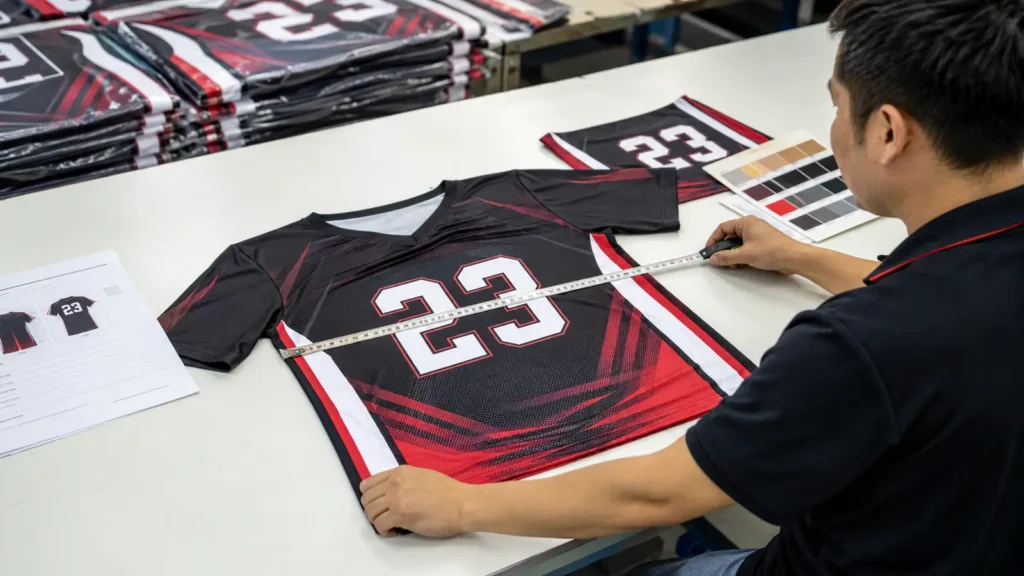
- compare finished measurements with the approved specification;
- verify every player name, number, size, and quantity;
- inspect print marks, stains, holes, snags, and shade differences;
- review seam security, loose threads, and label attachment;
- confirm packing assortment, carton quantity, and shipping marks.
Labeling and Destination-Market Planning
Custom decoration does not remove the buyer’s responsibility to meet destination-market rules.
For the United States, the Federal Trade Commission states that most textile products must disclose fiber content, country of origin, and the identity of the manufacturer or another responsible business. The FTC also enforces a Care Labeling Rule requiring manufacturers and importers to provide care instructions for covered garments. Review the FTC textile labeling guide and FTC care-label guidance.
For the European Union, textile products marketed in the EU must be labeled or marked with fiber composition under the applicable framework; the label must be firmly attached, such as sewn in, for covered products. See the EU textile label guidance. The UK government’s textile labeling guidance also requires fiber-content information and addresses products with multiple components.
Rules can vary by market, product, buyer, and sales channel. Confirm current legal and retailer requirements with qualified local advisers. Provide the supplier with final label content rather than asking the supplier to make legal decisions for an unfamiliar market.
Common Ordering Mistakes
Approving only a screen mockup
A mockup confirms layout, not exact fabric color, hand feel, fit, print behavior, or seam construction. Approve a strike-off and physical sample when those factors matter.
Choosing fabric by weight alone
Weight does not fully describe opacity, durability, stretch, or comfort. Compare construction, yarn, finish, and intended use.
Placing important artwork over seam junctions
Critical details can distort or shift. Keep essential marks inside safer print zones and request the supplier’s pattern template.
Sending an uncontrolled roster
Late or conflicting name, number, and size files create expensive errors. Use one locked spreadsheet and one person authorized to approve it.
Treating “sublimated” as a quality grade
Sublimation is a decoration process. It does not certify fabric, sewing, fit, colorfastness, or inspection.
Ignoring repeat-order controls
Reorders can differ if the fabric, printer, ink, profile, or process changes. Retain specifications and ask the supplier to disclose substitutions.
Assuming every added logo is still sublimated
Embroidery, patches, twill, and transfers may be quoted separately and require different care. List the decoration method for every mark.
Why Work With JIUMU for Custom Sublimated Jerseys?
JIUMU is a Guangdong-based B2B custom teamwear and logo-apparel supplier established in 2010. Its capabilities include OEM and ODM development, sublimation printing, embroidery, screen printing, heat transfer, patches, fabric sourcing, color matching, private labels, hangtags, packaging customization, digital mockups, physical samples, bulk production support, quality control, and export coordination.
For most custom programs, JIUMU’s typical minimum order quantity is 50 pieces, subject to the jersey structure and customization. That positioning can suit schools, sports clubs, academies, distributors, uniform dealers, promotional companies, retailers, and private-label brands that need more than a generic blank garment.
The practical advantage is a specification-led workflow: define the jersey, approve the artwork and sample, control personalization, inspect bulk production, and retain records for reorders. Buyers can also coordinate jerseys with custom team uniforms, baseball team uniform packages, custom baseball caps, team jackets, custom hoodies, and custom team bags.
Frequently Asked Questions
Final Recommendation
Sublimated jerseys are a strong choice when a team or apparel program needs full-color graphics, all-over design, extensive personalization, and a print that does not crack or peel. Their commercial value is highest when the buyer treats sublimation as one part of a controlled garment specification.
Select the fabric for the sport. Approve critical colors on the real material. Review artwork on the actual pattern. Keep important marks away from difficult seams. Validate fit and construction with a physical sample. Lock the roster before production. Define quality checks, label requirements, packaging, and reorder records in writing.
About the Author
JIUMU Teamwear Sourcing Team creates practical buying guides for schools, clubs, distributors, uniform dealers, promotional buyers, and private-label apparel brands.