School Backpack Trends in 2026: Colors, Styles and Materials
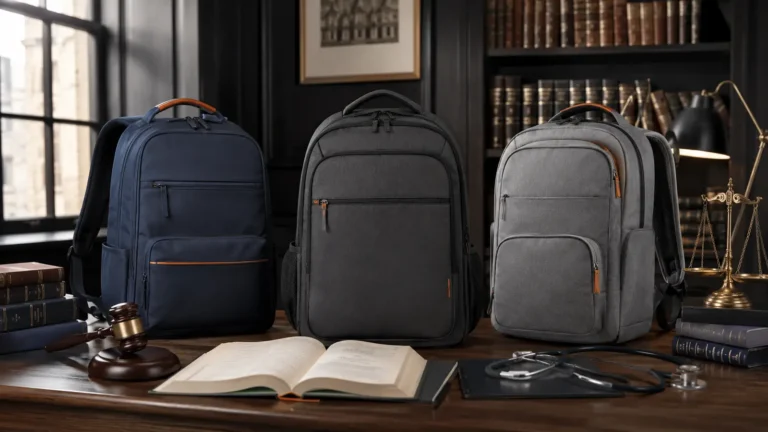
School backpack trends in 2026 are moving away from short-lived novelty and toward products that look current while remaining practical for repeat school use. For B2B buyers, the strongest direction is not one color or silhouette. It is a balanced product system: grounded colors with selective accents, age-appropriate shapes, device-ready organization, durable synthetic fabrics, verifiable material claims, and customization that can be repeated consistently across programs.
Schools, distributors, uniform dealers, promotional companies and private-label brands should therefore treat “trend” as a product-development filter rather than a reason to copy fashion. The right backpack must still match student age, daily load, climate, logo method, price tier, order quantity and replacement cycle. This guide translates the visible 2026 directions into specifications that buyers can quote, sample and inspect.
Quick Answer: The leading school backpack trends for 2026 combine calm neutrals, navy, mineral blue, forest green and muted warm accents with streamlined daypacks, laptop-ready campus bags, athletic team backpacks and modular utility styles. Polyester, nylon, ripstop, coated base fabrics and breathable spacer mesh remain practical material choices. Recycled-content options are increasingly requested, but buyers should require documented fiber percentages and qualify environmental claims. The best bulk program uses a controlled palette, two or three age-appropriate sizes, reinforced stress points, replaceable specifications and decoration tested on the actual fabric.
What Is Driving School Backpack Design in 2026?
Several purchasing needs are converging. Students carry more device-related accessories, schools want coordinated merchandise, distributors need styles that work across several customer types, and private-label buyers want credible material stories without vague claims. At the same time, a backpack remains a high-wear product. Fashion matters at the first impression, but seam strength, zipper performance, strap comfort and cleanability determine whether the program succeeds.
The practical result is a “quiet utility” direction. Shapes are cleaner, branding is more deliberate, and color blocking is controlled. Useful organization is visible but not excessive. Materials are selected for hand feel, weight, abrasion exposure and decoration compatibility—not merely because a fabric name sounds technical.
Pantone selected PANTONE 11-4201 Cloud Dancer, a soft white, as its Color of the Year 2026. That does not mean white school backpacks should dominate procurement. In a school-bag program, it is more useful as an accent, lining, zipper pull, print or supporting neutral because large pale exterior panels can show dirt quickly. Pantone’s broader Autumn/Winter 2026/2027 direction also combines grounded familiar tones with more expressive colors. Buyers can translate this into stable core colors plus a limited seasonal accent, rather than rebuilding the entire assortment around one trend color.
2026 Trend Overview for Professional Buyers
| Trend direction | Visible product expression | Procurement interpretation | Main risk to control |
|---|---|---|---|
| Calm, grounded color | Navy, mineral blue, forest green, gray and soft neutral accents | Use stable core colors for repeat orders; reserve trend colors for trims or selected SKUs | Shade variation across fabric lots |
| Muted warmth | Clay, amber, muted berry or plum details | Add personality through zipper pulls, lining, webbing or one color-block panel | Trend accent overpowering a school identity |
| Streamlined utility | Cleaner front panels, fewer decorative seams | Easier branding and a broader age range | Too little organization for devices and small items |
| Device-ready campus style | Padded sleeve, organized front pocket, structured back panel | Suitable for middle school, high school and college-oriented programs | Sleeve dimensions not matched to target device |
| Athletic crossover | Shoe/wet-item separation, mesh pockets, bold team color blocking | Strong for teams, clubs and school athletics | Oversized bag or ventilation that weakens structure |
| Modular details | Attachment loops, removable pulls, adaptable front zones | Useful for clubs, travel and merchandise programs | Loose components, added cost or visual clutter |
| Material transparency | Specific recycled-content or coating information | Build claims from supplier documents and purchase specifications | Unsupported “eco-friendly” language |
| Low-noise branding | Tonal embroidery, small patches, coordinated labels | More versatile for retail and school use | Logo becomes unreadable or fails decoration testing |
Which Backpack Colors Are Trending in 2026?
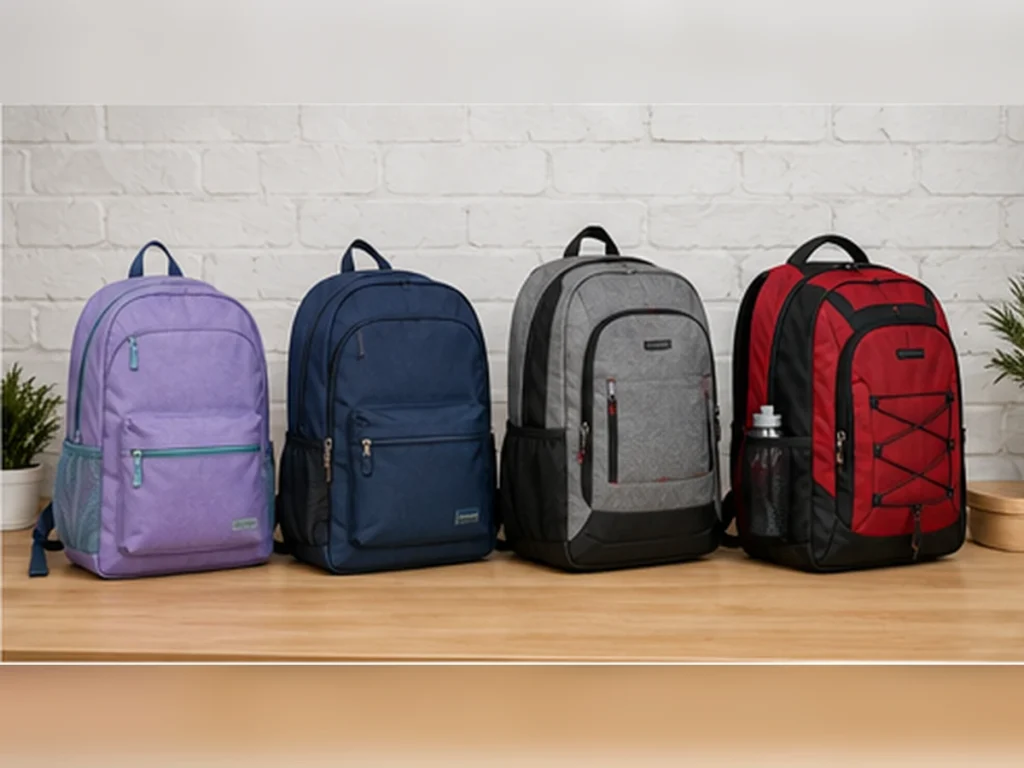
1. Navy remains the most dependable program color
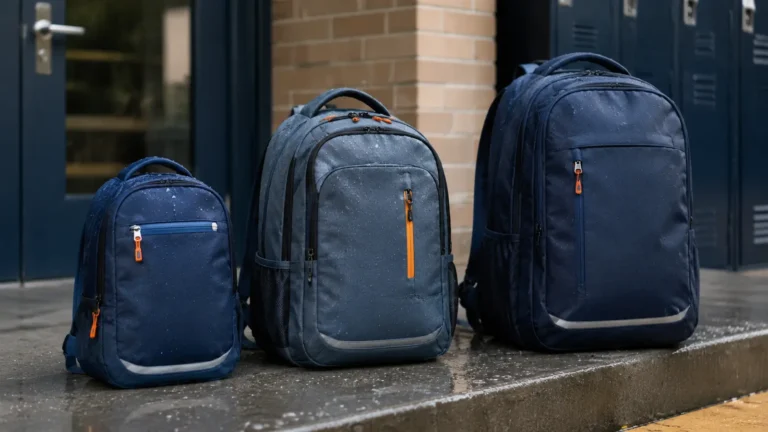
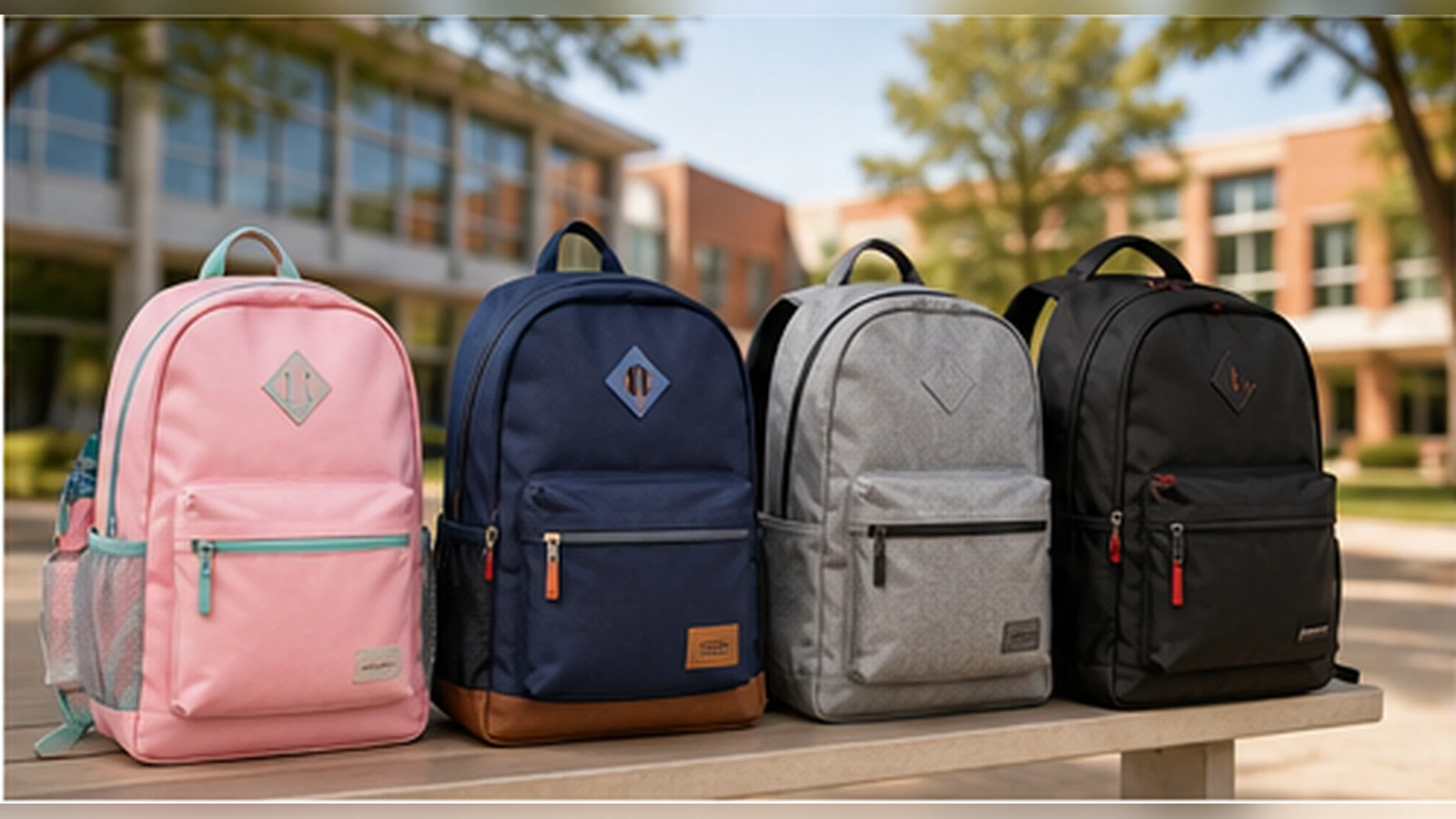
Navy works across uniforms, school identities, sports programs and private-label collections. It conceals everyday marks better than pale colors, accepts many logo colors, and is easier to carry forward into repeat orders. In 2026, navy looks more current when combined with tonal webbing, matte hardware, mineral blue details or a restrained warm accent.
For a large program, specify the target color using an approved physical swatch, not a screen image alone. Different fabric constructions reflect light differently; the same nominal color can appear lighter on mesh and darker on dense woven polyester. Ask the supplier to present shell, lining, mesh, webbing and zipper tape together during sample approval.
2. Mineral blue and softened brights replace harsh neon
Bright royal blue is still relevant for teams, but trend-led collections are using more nuanced blues: mineral, slate, denim and muted aqua. These colors provide differentiation while remaining wearable across several seasons. A distributor can use mineral blue as a mid-tier fashion option without making it the only stock color.
3. Forest, olive and botanical greens signal grounded utility
Green works particularly well on campus, outdoor-club and utility-inspired bags. Forest green is easier to coordinate than a highly saturated lime. Olive can support a mature high-school or collegiate aesthetic, but buyers should confirm that it does not conflict with required uniform colors.
4. Muted berry, plum and clay provide controlled warmth
Warm color is not disappearing; it is becoming less sugary and more sophisticated. Muted berry, plum, clay and rust-orange accents can broaden a collection without dividing it into rigid “boys” and “girls” color groups. For schools and distributors, inclusive color naming and neutral product photography can make the assortment relevant to more users.
5. Off-white is best used selectively
Cloud Dancer’s influence makes soft white and airy neutral combinations visible in 2026 design. For a backpack, the practical applications are piping, lining, a small logo, cord pulls or a controlled front insert. If a buyer wants a pale full-shell style, the sample plan should include soil visibility, cleaning instructions and possible color transfer from clothing.
A practical 2026 color architecture
| Assortment role | Suggested direction | Share of a conservative program | Buyer advantage |
|---|---|---|---|
| Core 1 | Navy or near-black | 30–40% | Broadest use and easiest replenishment |
| Core 2 | Mineral blue or charcoal | 20–30% | Adds choice while remaining practical |
| Core 3 | Forest green or muted plum | 15–20% | Creates a distinctive seasonal identity |
| Accent | Clay, amber or soft off-white details | 10–15% | Updates the range without a full new body color |
| Custom | School or customer Pantone-matched color | By confirmed order | Supports institutional and private-label programs |
These percentages are planning guidance, not market statistics. Actual allocation should follow confirmed customer demand, sales history and minimum quantities for each color/material combination.
Which School Backpack Styles Are Growing in 2026?
Streamlined everyday daypacks
The clean daypack has a simple front, a main compartment and one organized pocket. Its visual restraint creates a strong canvas for embroidery or a patch. This style suits elementary and general school merchandise programs when the dimensions and straps are adjusted for the user’s age.
Avoid making the bag visually clean by removing all function. A useful daypack still needs an accessible bottle pocket, an internal divider or sleeve, a key clip or small-item pocket, and a stable base. The design question is where to hide organization, not whether to provide it.
Laptop-ready campus backpacks
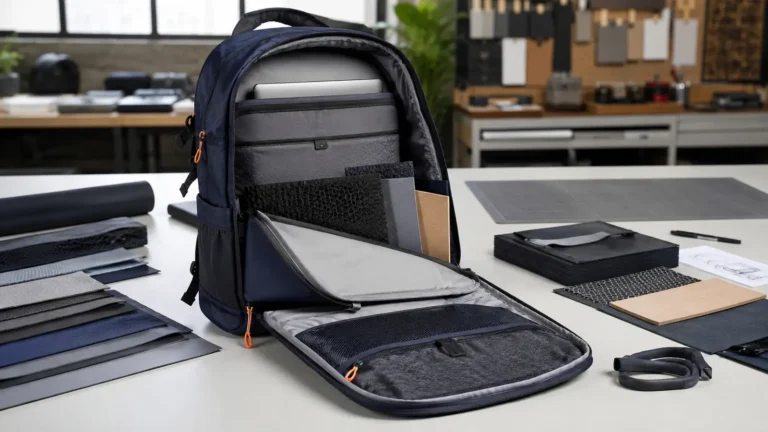
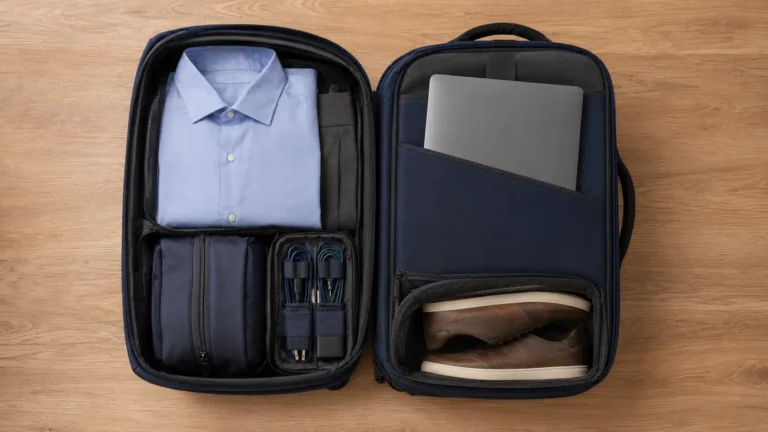
Middle-school, high-school and college-oriented programs increasingly expect a protected device area. The buyer should specify the actual maximum device dimensions rather than only saying “fits a 15-inch laptop.” Screen size does not describe the full chassis. Define sleeve height, width, depth, padding placement and closure method.
A separate elevated sleeve can help keep a device away from the base impact zone. A structured back panel and shoulder straps with appropriate foam improve load distribution, but these features add material and sewing operations. They should be confirmed in the quotation rather than assumed from a reference image.
Athletic and team backpacks
Team programs want stronger visual identity, external bottle storage and separation for footwear or damp items. The backpack should not become a duffel with shoulder straps. Check whether the equipment compartment reduces book capacity, whether mesh panels are protected from snagging, and whether the filled bag remains stable.
Athletic crossover styles are especially useful when coordinated with custom team uniforms, team jerseys or a larger school package. Using the same approved color and logo files across categories improves visual consistency.
Modular utility backpacks
Utility styling appears through webbing loops, compression details, removable pulls and adaptable attachment points. For school products, moderation matters. Excess external straps can catch on furniture or transit equipment, and removable pieces can be lost. Use modular details only when they serve a defined function and include them in safety and durability review.
Compact retro and heritage shapes
Rounded top profiles, contrast piping and simple heritage daypacks continue to appeal because they look familiar. A retro shape can be updated through lightweight fabric, a padded sleeve and modern color. Canvas-like surfaces offer a heritage look, but a synthetic woven fabric may provide easier cleaning and lower weight depending on the specification.
Translating Style Trends into Age-Appropriate Specifications
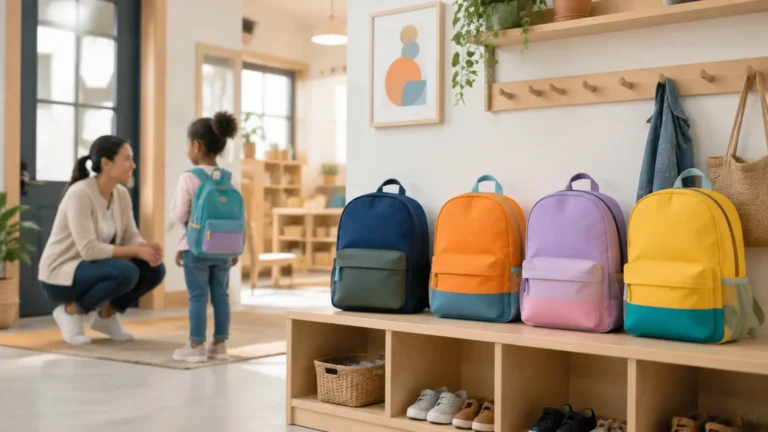
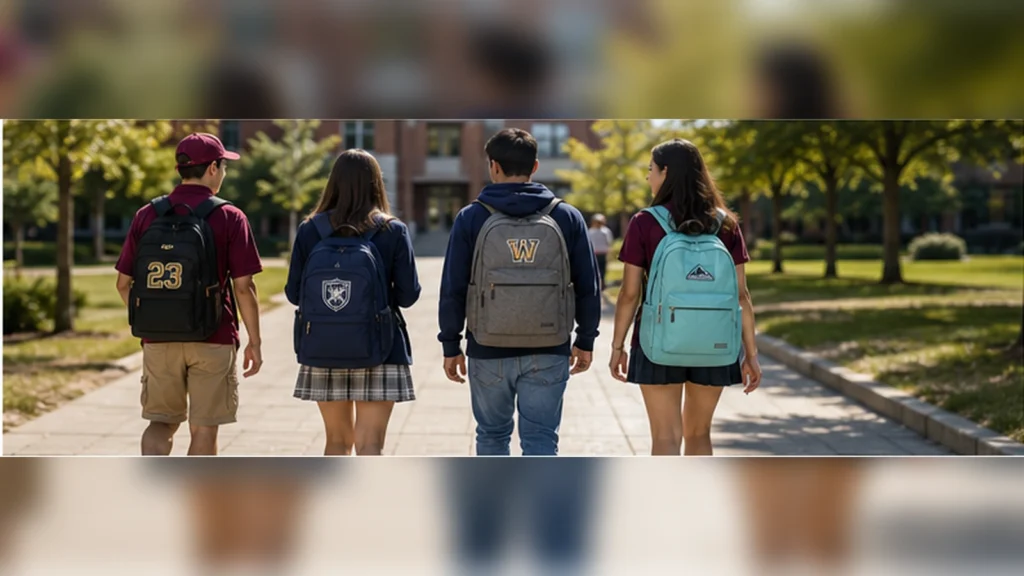
A single “school backpack” size rarely serves every grade well. Programs covering several age groups should use a shared visual language across two or three sizes. Keep the colors, patch shape, zipper pull and general front-panel design consistent, then adjust torso length, strap geometry, capacity and compartment dimensions.
| User group | Typical design priority | Suitable style direction | Specification checks |
|---|---|---|---|
| Preschool/kindergarten | Light product, simple opening, identification area | Compact rounded daypack | Small-part review, strap range, easy-clean surface |
| Elementary | Balanced organization and manageable scale | Streamlined daypack | Bottle pocket, opening access, seam reinforcement |
| Middle school | More books and device accessories | Organized campus backpack | Sleeve dimensions, strap padding, base stability |
| High school | Device protection and mature appearance | Laptop-ready or utility-inspired pack | Electronics organization, load comfort, subtle branding |
| School athletics | Equipment separation and team identity | Athletic backpack | Ventilation, wet-item separation, mesh durability |
| Staff/coach | Professional appearance and travel utility | Structured laptop backpack | Document space, device protection, luggage compatibility if required |
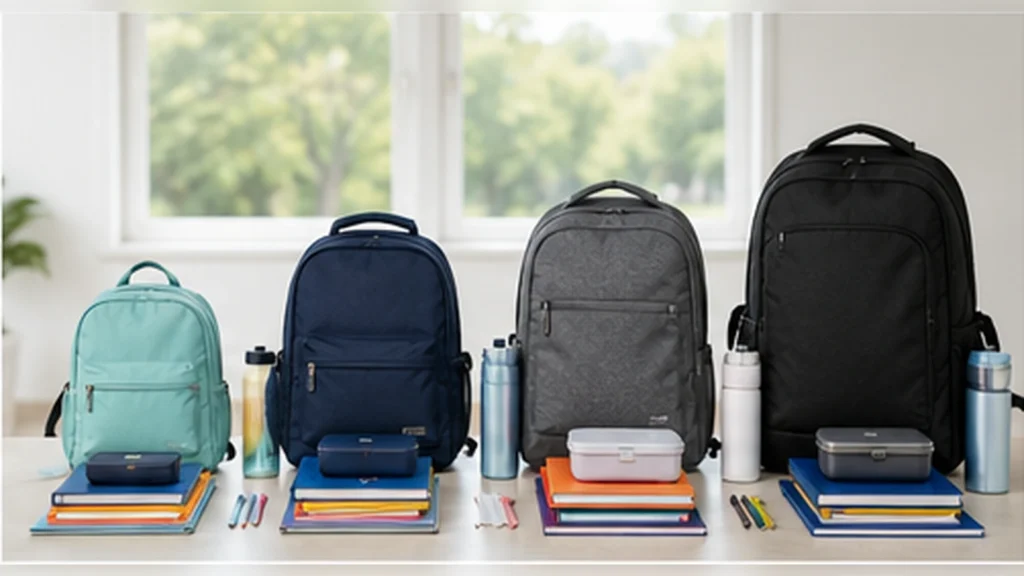
The U.S. Consumer Product Safety Commission advises families to lighten school backpack loads because overly heavy backpacks can hurt young backs. For procurement, the sensible conclusion is not to publish a universal safe capacity. Instead, minimize unnecessary bag weight, provide appropriate dimensions and encourage schools to set load guidance based on their local context.
Which Backpack Materials Matter in 2026?
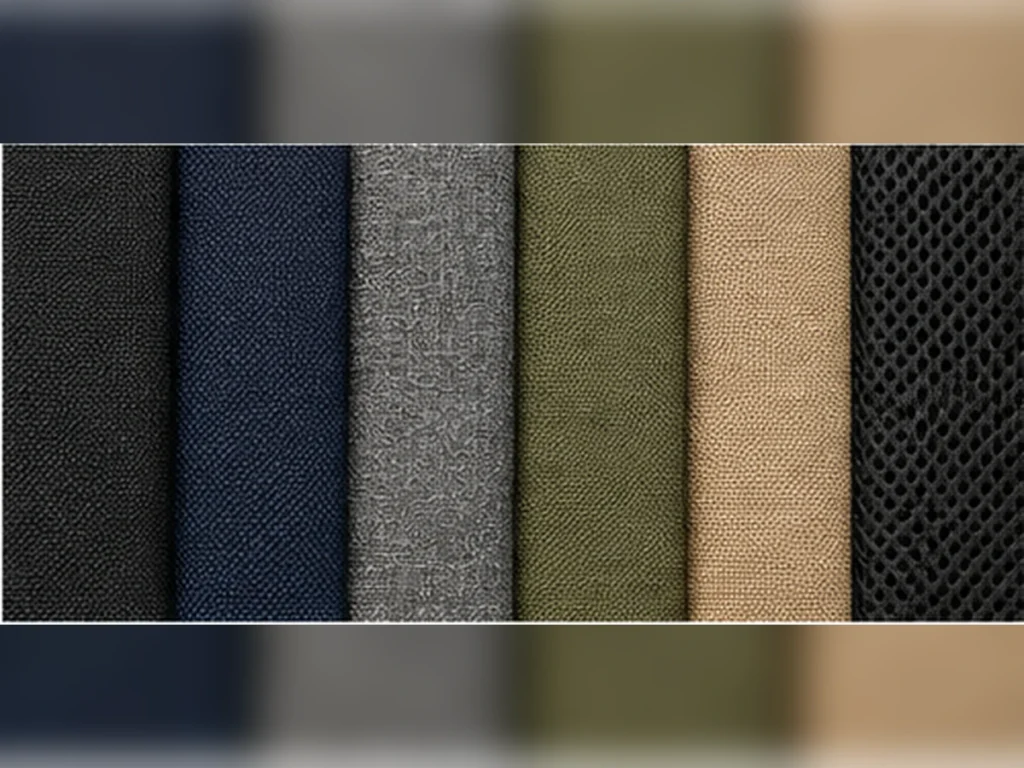
Polyester: versatile and commercially practical
Polyester remains a common school backpack material because it is available in many weights, constructions, colors and finishes. It can support printing, embroidery and patch applications when the exact fabric is tested. “Polyester” alone is not a complete specification. Buyers should define fabric construction, weight or denier where relevant, backing/coating, color, hand feel and expected performance.
Nylon: useful where abrasion performance and hand feel justify the cost
Nylon can provide a smooth hand and strong abrasion performance, depending on yarn, weave and finish. It is often positioned above basic polyester, but the material name does not guarantee a stronger finished bag. Compare real samples, construction details and test requirements. Color matching and coating behavior may differ from polyester.
Ripstop: technical appearance with a functional grid
Ripstop fabric uses a visible reinforcing grid that gives products a technical, lightweight appearance. It works well for utility or outdoor-inspired collections and as a contrast panel. The grid does not make every ripstop bag indestructible; yarn, coating, seam placement and product construction still matter.
Oxford weaves: structured, familiar and decoration-friendly
Oxford-style woven synthetics are widely used for school and promotional backpacks. Their visible texture can make solid colors look richer and can hide minor surface marks. Buyers should test embroidery because needle penetration, backing and stitch density affect puckering.
Canvas and canvas-look fabrics
Cotton canvas communicates heritage and natural texture, but it can be heavier, can absorb moisture and may show dirt. Blends or synthetic canvas-look materials can reproduce part of the aesthetic with different performance. The quotation should state fiber content accurately; “canvas” describes a fabric construction or appearance and should not be treated as proof of cotton content.
Recycled-content synthetics
Recycled polyester is an important sourcing option, but availability and claims require care. Textile Exchange reported that recycled polyester’s share of the global polyester market fell from 13.6% to 12.5% in 2023 even as production slightly increased, highlighting feedstock and scaling challenges. This means a buyer should confirm availability early and avoid assuming every color, coating or order volume is available in a recycled option.
In the United States, the FTC Green Guides say recycled-content claims should relate to material recovered or diverted from the waste stream, and partial-content claims should be qualified—for example, by stating a percentage. For a private-label backpack, request supplier documentation, define whether the percentage applies to the shell fabric or entire product, and ensure website, packaging and hangtag language matches the evidence.
Material decision table
| Material direction | Best suited to | Strength of the option | Qualification to request |
|---|---|---|---|
| Woven polyester | Broad school, promotional and distributor programs | Color and price flexibility | Construction, backing, coating and test method |
| Nylon | Higher-tier campus or travel-influenced bags | Hand feel and potential abrasion performance | Exact grade, finish and sample comparison |
| Ripstop synthetic | Utility and lightweight designs | Technical grid appearance | Tear/abrasion expectations and coating |
| Oxford weave | Core school and team bags | Structured surface and broad decoration use | Weight, yarn, coating and embroidery trial |
| Cotton canvas | Heritage or lifestyle collections | Natural texture | Weight, shrinkage, colorfastness and cleaning |
| Recycled-content polyester | Programs with documented material goals | Supports a specific, qualified content story | Percentage, scope, chain-of-custody evidence if required |
| Coated base panel | High-contact bottom zone | Easier wipe-down and added abrasion barrier | Coating type, flexibility and color transfer |
| Spacer mesh | Back panel and strap contact areas | Airflow and cushioning structure | Thickness, compression recovery and snag risk |
Construction Details That Outlast a Trend Cycle
The best-looking 2026 backpack still fails if a strap anchor opens or the zipper binds. Convert aesthetics into construction requirements before requesting prices.
Key areas include reinforced shoulder-strap anchors, bartacks at webbing stress points, consistent seam allowance, bound or clean internal seams where appropriate, zipper ends secured against pull-out, a base panel suited to abrasion exposure, and pocket openings shaped for repeated access. Foam thickness alone does not define comfort; density, shape, coverage and recovery matter.
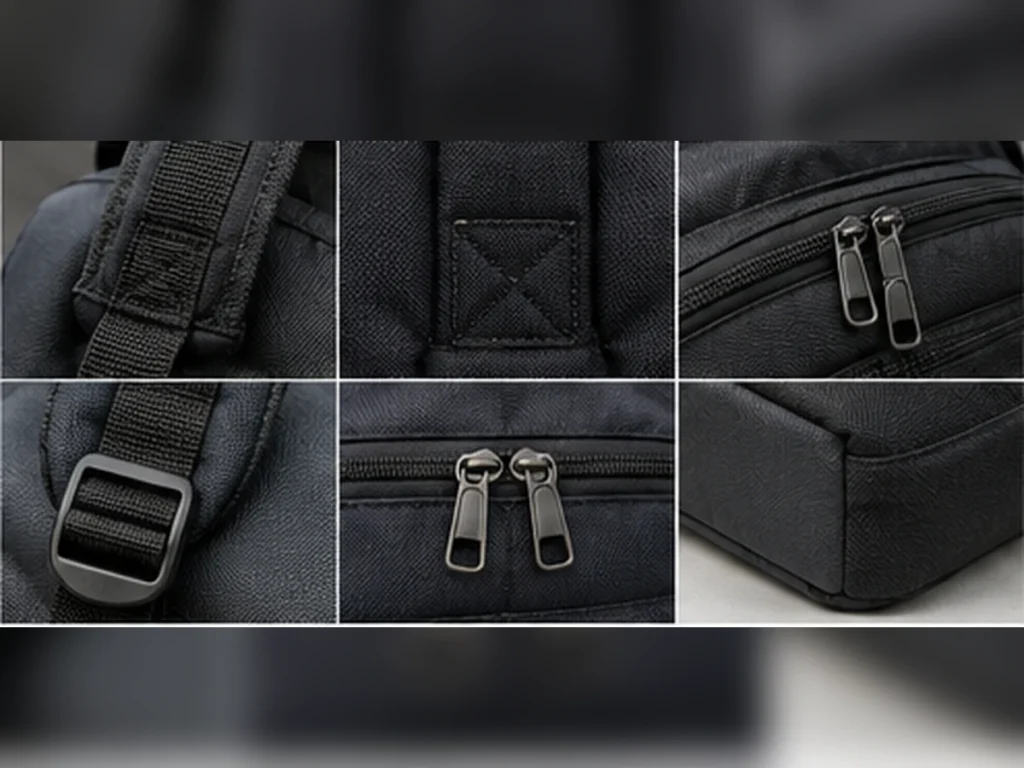
For a meaningful sample review, fill the backpack with a representative load and inspect it from all sides. Look for strap twist, back-panel collapse, zipper distortion, bottle-pocket tension and whether the bag tips forward. Confirm that decorative seams do not create weak points or water-entry channels. “Water-resistant” should be tied to a defined material and test expectation; a coated shell does not automatically make seams or zippers waterproof.
Customization Trends: More Intentional, Less Noisy
Tonal embroidery
Tonal embroidery uses thread close to the body color. It provides texture and a mature look, especially on navy, charcoal and forest green. The trade-off is lower contrast. Approve the logo at actual size and view it under normal indoor and outdoor light.
Small patches with clear material identity
Woven patches suit fine graphic detail; embroidery provides dimensional thread texture; rubber/PVC-style patches can create a technical look; leather-style patches support heritage collections. Material claims should be accurate—do not call a synthetic patch leather. Check patch edge, attachment method, flexibility and color interaction with the bag body.
Coordinated secondary branding
Private-label buyers increasingly use a small front logo plus supporting zipper pulls, woven labels, lining details, hangtags and packaging. This creates a coherent identity without enlarging the main logo. Each component adds setup, approval and minimum-quantity considerations, so prioritize the elements the customer will notice.
Placement designed around use
A logo should not cross a zipper, sit on a heavily curved pocket or be hidden when the bag is full. Embroidery can puncture a coating and may require backing; heat transfer depends on fabric and temperature tolerance; printing depends on surface texture and ink system. Test the chosen method on the production-intent material and color.
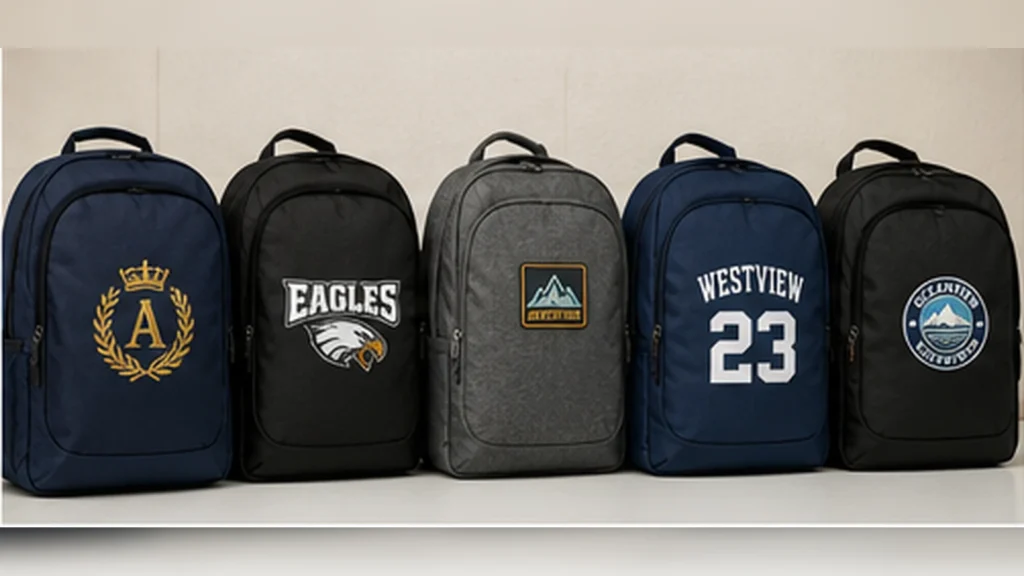
Planning a 2026 school backpack collection? Send JIUMU your target user, quantity, dimensions or capacity, preferred material, colors, logo file, packaging needs and required delivery date. The team can prepare a custom quotation and discuss digital mockups, physical samples and bulk production. Request a custom school backpack quotation.
How 2026 Trends Affect Cost
Backpack cost is driven by the full construction, not by the exterior silhouette alone. Buyers should expect pricing to change with fabric grade and consumption, number of compartments, lining coverage, foam and reinforcement, zipper and hardware selection, decoration method and stitch count, custom color development, labels and packaging, sample rounds, testing requirements and order quantity by SKU.
A trend-led detail may appear small but add several operations. Contrast piping requires material, cutting and sewing. A separate device compartment adds panels, lining, zipper and labor. A custom molded pull may require tooling and minimum quantities. Recycled-content fabric may have availability, color or documentation considerations. Ask suppliers to identify major cost drivers so the design can be simplified intelligently rather than reduced blindly.
Good–better–best specification strategy
| Tier | Product approach | Appropriate buyer use |
|---|---|---|
| Good | Core polyester, simple organization, printed or basic embroidered logo | Events, promotional programs and price-sensitive school orders |
| Better | Upgraded woven shell, padded sleeve, reinforced base, organized pocket, selected custom trim | Main school merchandise, distributors and team programs |
| Best | Higher-tier shell, structured device protection, refined trims, multi-point branding and customized packaging | Private label, retail and premium institutional programs |
These tiers should describe observable features, not vague quality labels. A “better” bag is only better when the specification improves the intended use.
Quality-Control Checklist for a Trend-Led Backpack
Trend details create more variables, so inspection must cover appearance and function. Establish an approved reference sample and written tolerance sheet before bulk production.
1. Color: Compare shell, lining, mesh, webbing, zipper tape, thread and logo against approved references under consistent light.
2. Dimensions: Measure finished height, width, depth, strap range, sleeve opening and critical pocket dimensions using an agreed method.
3. Material identity: Match fabric construction, hand feel, coating and supplied documentation to the purchase specification.
4. Logo execution: Check position, size, color, edge quality, stitch appearance, adhesion or attachment method.
5. Seams and reinforcement: Inspect skipped stitches, loose threads, seam allowance, bartacks and strap anchors.
6. Zippers and hardware: Operate every accessible zipper during sampling and use a defined sampling plan for production.
7. Load behavior: Fill samples with the agreed representative load and inspect distortion, strap comfort and base stability.
8. Cleanliness and odor: Check surfaces, interiors, packaging and any material odor against agreed acceptance criteria.
9. Labels and packaging: Verify label content, barcode placement, polybag or alternative packaging, carton marks and assortment.
10. Claim evidence: Confirm any recycled-content, material or performance statement is supported and worded to match the evidence.
Bulk-Order Planning Process
Step 1: Define the program
State who will use the bag, sales channel, destination market, target quantity, number of colors, required delivery date and target price position. Clarify whether the program is a one-time event, annual school order or replenishable retail style.
Step 2: Build a specification, not just a mood board
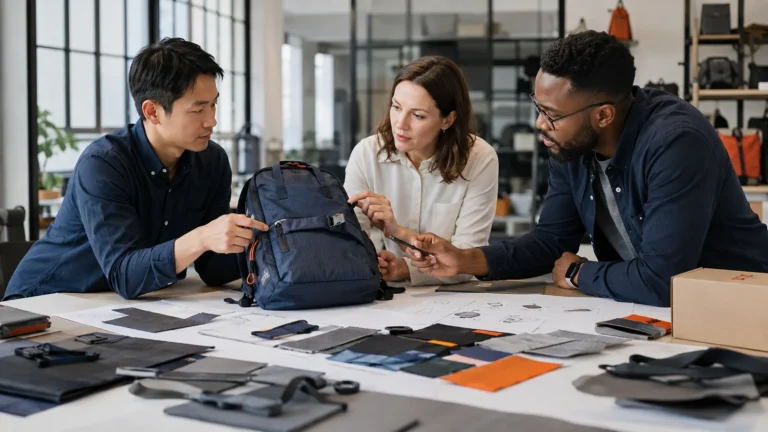
Reference images help communicate style, but they do not define dimensions, materials or construction. Add a measurement chart, compartment list, material descriptions, color references, logo artwork, label content and packaging requirements.
Step 3: Reduce unnecessary SKU complexity
Every size-color-logo combination is a separate SKU. A disciplined collection may use two body sizes, three core colors and one seasonal accent. Confirm minimum quantities by configuration before finalizing the range.
Step 4: Approve digital direction
Use a digital mockup to confirm proportions, color blocking and decoration placement. Treat it as an artwork approval, not proof of material color or physical performance.
Step 5: Develop a physical sample
Review the actual fabric, hand feel, color, fit, pocket access, logo, filled shape and packaging. Record all changes in one consolidated revision document. Repeated informal feedback can create version confusion.
Step 6: Confirm the production reference
Sign or otherwise identify the final approved sample and specification. Keep a matching reference with the buyer and supplier when practical. Confirm tolerances and inspection method before production.
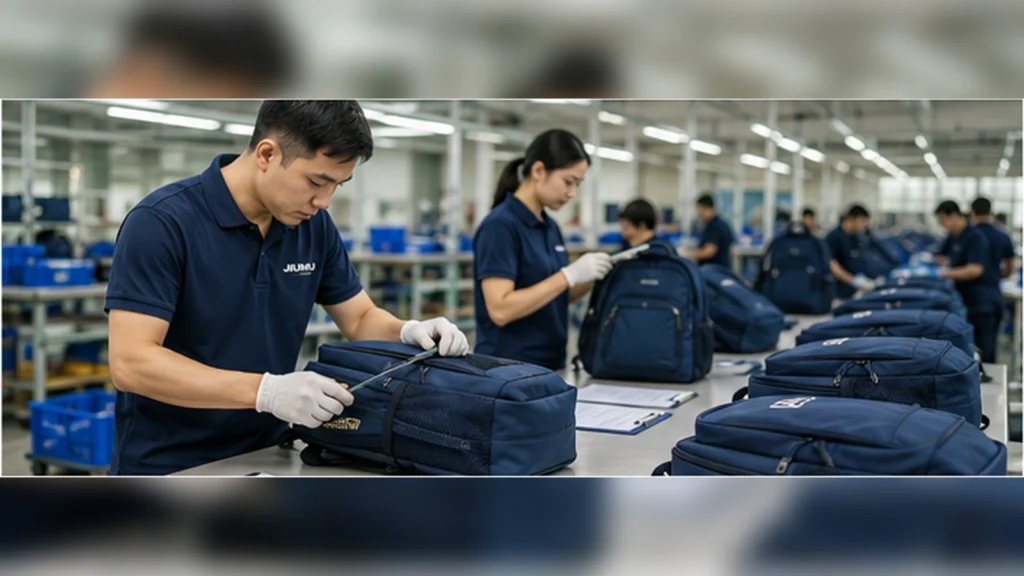
Step 7: Inspect and document
Use incoming-material checks, in-process controls and finished-goods inspection appropriate to the project. Inspection scope should reflect risk, order size, destination requirements and agreed standards.
What to Send for an Accurate Quotation
Send as much of the following as available:
- Target buyer and student age group
- Destination country or region
- Estimated order quantity and quantity per color/design
- Required dimensions, capacity or reference sample
- Shell, lining, mesh and base material preferences
- Compartment and device-sleeve requirements
- Color references or Pantone targets
- Vector logo file and preferred decoration method
- Private labels, hangtags, barcode or packaging requirements
- Testing, documentation or inspection requirements
- Target delivery date and delivery destination
- Target price tier, if you want value-engineering alternatives
If some details are unknown, identify them as open decisions. A supplier can then quote a defined base version and list upgrades instead of making hidden assumptions.
Questions to Ask a School Backpack Supplier
1. Which fabric construction, weight, coating and backing are included in the quotation?
2. Is the color selected from stock material or custom developed, and how will shade approval work?
3. What are the minimum quantities by size, color and logo configuration?
4. How will the device sleeve be measured and padded?
5. Which stress points are reinforced, and can they be shown on the sample?
6. Which logo methods suit the selected fabric, and will a decoration trial be included?
7. What documents support any recycled-content claim?
8. Which labels and packaging components are included?
9. How are sample revisions recorded and approved?
10. Which inspections occur before shipment, and what acceptance criteria will be used?
11. What information could change the quoted price or schedule?
12. How will repeat-order color and construction consistency be managed?
Common Buying Mistakes in 2026
Copying a trend without defining the user
A compact fashion backpack may not carry a school-issued device. An athletic bag may be too large for an elementary student. Start with use, then select the trend expression.
Choosing color on a monitor only
Displays, lighting and fabric texture change color perception. Approve physical material and decoration references.
Using “eco-friendly” as a specification
This phrase does not define fiber content, percentage, product scope or evidence. State the exact material request and the documentation required.
Assuming a denier number proves durability
Denier describes yarn linear density, not finished-bag performance. Weave, yarn quality, coating, seam design and reinforcement all contribute.
Approving an empty backpack
A bag can look correct when empty and distort when loaded. Evaluate it with a representative load and real device mock-up.
Adding too many custom components
Custom pulls, lining, labels, patches and packaging can create a strong brand system, but each adds cost, approval steps and minimums. Prioritize the elements that support recognition and use.
Treating the first order as separate from replenishment
If repeat orders are likely, retain specifications, color standards, artwork versions and approved samples. Trend relevance is valuable; repeatability is what makes the program commercially sustainable.
Why Work with JIUMU on Custom School Backpacks?
JIUMU has supported international B2B product development since 2010 and serves buyers in North America and Europe. Its approved capabilities include OEM and ODM development, embroidery, sublimation, screen printing, heat transfer, woven and rubber/PVC-style patches, fabric sourcing, Pantone color matching, private labels, hangtags, packaging customization, digital mockups, physical samples, bulk quality control and export support.
The typical MOQ is 50 pieces, subject to product structure and customization. This qualification matters: a stock-color backpack with one logo has different minimum considerations from a multi-size program with custom fabric colors, molded trims and private-label packaging.
Buyers can also coordinate backpacks with custom team bags, custom hoodies, custom team jackets or baseball team uniform packages. A shared color and decoration plan can make the complete program look intentional.
Frequently Asked Questions
Final Recommendation
The strongest school backpack trends in 2026 are commercially useful because they reduce visual noise while improving product relevance. Build the collection around grounded core colors, use trend accents selectively, choose silhouettes by age and activity, and define materials beyond generic fiber names. Treat recycled content as a documented specification, not a slogan. Most importantly, approve the bag under realistic load and control color, construction, decoration and packaging through a written specification and signed sample.
For a replenishable program, trend should live in the adjustable layers—accent color, patch, zipper pull, lining or seasonal SKU—while the body construction remains stable. That approach gives schools, distributors and private-label brands a current look without sacrificing quality control or repeat-order consistency.
Develop Your 2026 Backpack Program
Send your quantity, user age, dimensions, materials, colors, logo, packaging and target delivery date.