What Affects the Cost of a Custom Backpack?
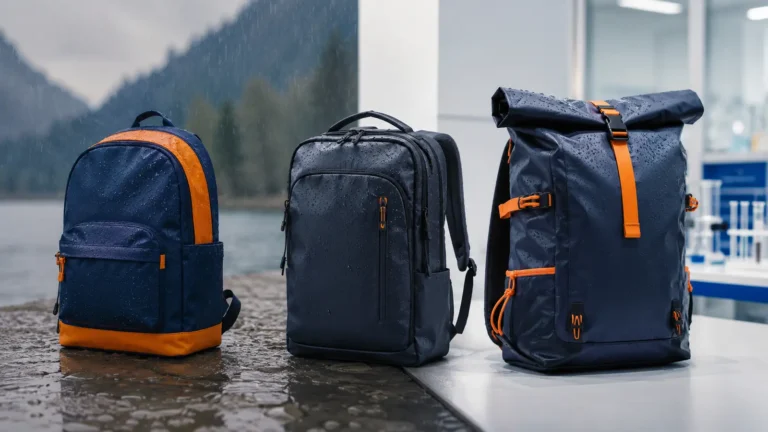
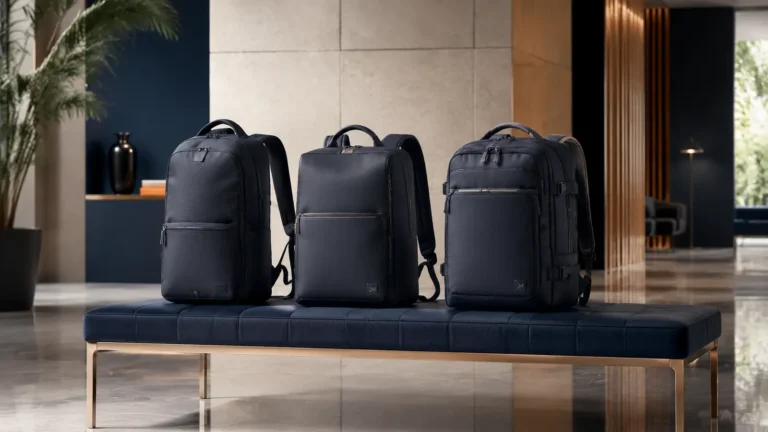
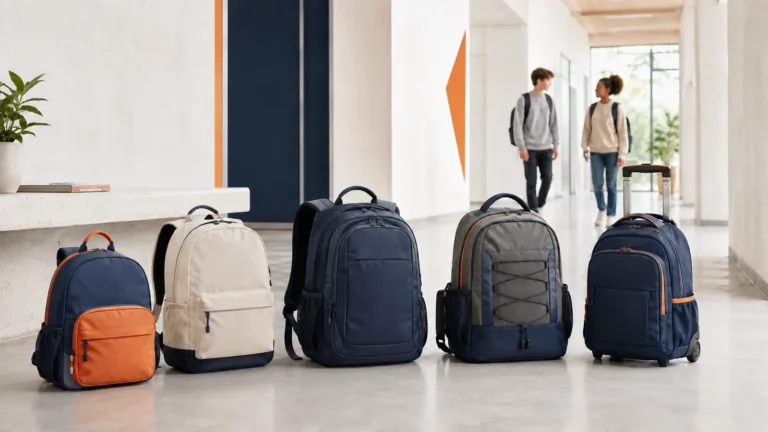
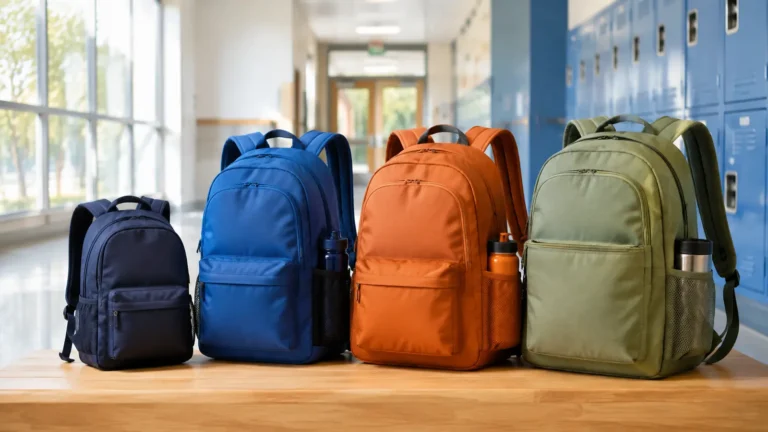
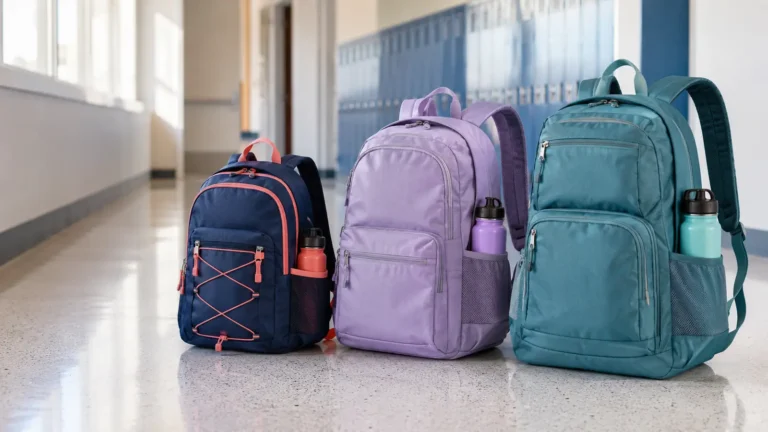
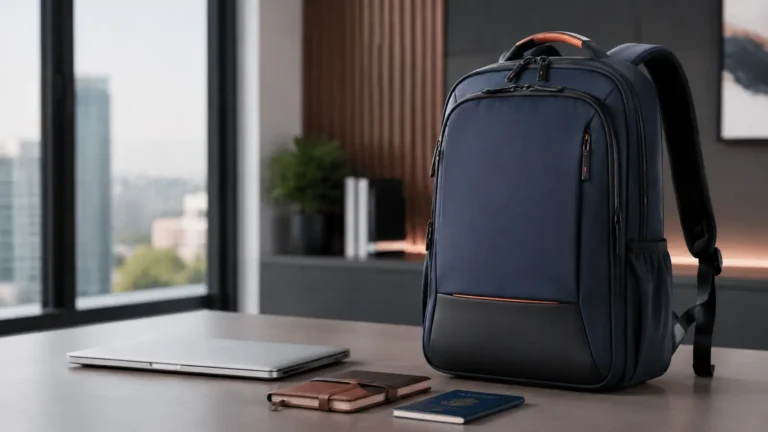
The cost of a custom backpack cannot be determined from a photo alone. Similar-looking bags may use different fabrics, lining, foam, reinforcement, zippers, compartments, sewing, logo methods, packaging, tests, and delivery terms. Each difference changes materials, labor, setup, quality control, or logistics.
For a useful comparison, buyers should ask suppliers to quote the same written specification, quantity, packaging method, delivery destination, and Incoterm. A low product price is not necessarily the lowest purchasing cost if tooling, samples, testing, freight, duties, or corrective work are excluded.
This guide explains the major custom backpack cost factors and provides practical worksheets for comparing quotations without publishing a misleading universal price.
Quick Answer: What Affects the Cost of a Custom Backpack?
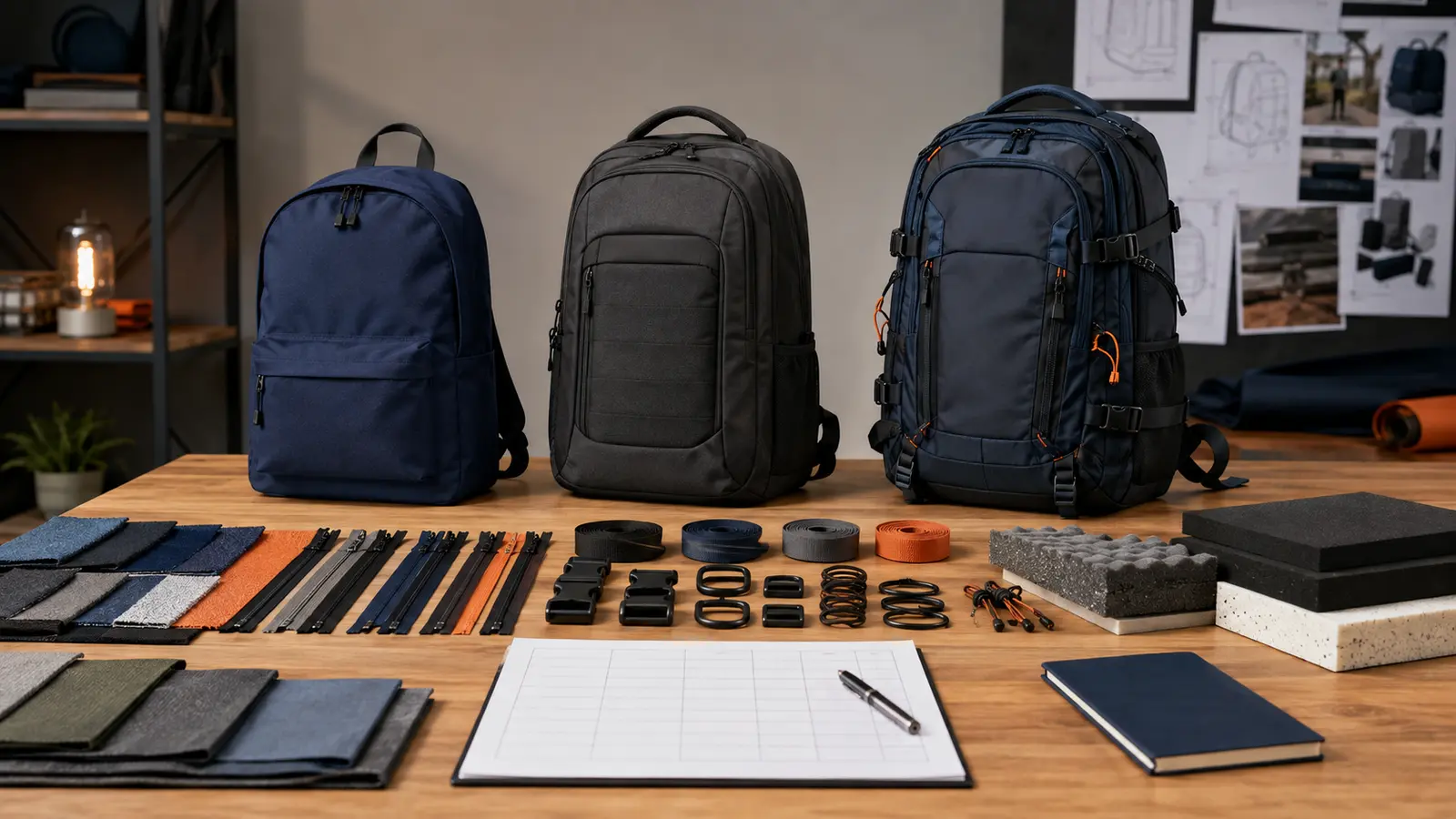
The main cost drivers are order quantity; finished dimensions; outer fabric and lining; number and shape of compartments; foam, mesh, stiffeners, and reinforcement; zipper, buckle, webbing, and hardware specifications; logo method and artwork; color matching; labels and packaging; prototype, tooling, and testing requirements; production schedule; carton volume; shipping method; destination; and trade terms.
Separate the quotation into five layers: recurring unit manufacturing cost, one-time development cost, order-level services, international delivery cost, and import or destination charges. Then compare total landed cost rather than assuming the lowest EXW unit price is the least expensive option.
Why There Is No Honest Universal Backpack Price
“How much does a custom backpack cost?” is a valid question, but it needs a specification before it can have a responsible answer. Backpack is a broad product category. A lightweight drawstring-style school bag, a padded laptop backpack, a structured sports bag, and a multi-compartment travel pack do not share the same bill of materials or production route.
A supplier combines material and component prices; cutting, decoration, sewing, assembly and packing labor; development and quality work; production risk and quantity; plus the agreed commercial and delivery terms. A picture-based budget should therefore be labeled as an estimate with assumptions. A production quote should refer to an approved Tech Pack, bill of materials, artwork, quantity breakdown, packaging specification and Incoterm.
The Five Cost Layers Buyers Should Keep Separate
| Cost layer | Typical inclusions | Recurs on a reorder? | Question to ask |
|---|---|---|---|
| Unit manufacturing cost | Fabric, lining, components, cutting, decoration, sewing, assembly, standard QC and agreed unit packing | Usually, but component prices and exchange conditions may change | What exact specification and packing does the unit price include? |
| One-time development cost | Prototype, pattern development, artwork setup, special mold, cutting die or custom hardware tooling | Not always, if unchanged tooling remains usable and available | Is this charged separately, credited, or amortized? Under what written condition? |
| Order-level service cost | Testing, third-party inspection, special documentation, color approval, packaging setup or small-lot handling | May recur by order, batch, destination or test plan | Which services are included and which are optional? |
| International delivery cost | Origin handling, export process, freight, insurance when arranged, destination handling and delivery according to the term | Yes | What Incoterm, named place and shipment assumptions apply? |
| Import and destination cost | Duty, import VAT or tax, brokerage, customs fees, storage and local delivery not included above | Yes; destination-specific | Who is importer of record, and which charges remain payable? |
Do not add these categories twice. A DDP proposal may include responsibilities that an EXW proposal excludes, while two “DDP” service offers may still differ in destination, unloading, remote-area charges, tax treatment, or importer arrangement. Request a written inclusion and exclusion list.
The International Chamber of Commerce describes Incoterms® rules as terms that clarify tasks, costs, and risks in delivery contracts. They do not define the backpack specification, payment terms, transfer of ownership, or every possible service. Always write the chosen rule and named place, such as “FCA [named place], Incoterms® 2020,” instead of using a three-letter abbreviation without a location. See the ICC Incoterms® overview.
1. How Order Quantity and MOQ Affect Unit Cost
Order quantity affects cost because many activities occur whether the factory makes a small or large batch. Pattern preparation, material booking, machine setup, artwork alignment, color approval, production-line changeover, sample comparison, packing setup, and order administration all consume time. When these fixed or semi-fixed costs are spread over more conforming units, their share per backpack may fall.
However, a larger quantity does not automatically make every element cheaper. The relevant question is where the cost breaks occur.
One backpack can contain several different MOQs
The finished bag has an order MOQ, but materials and components can have their own minimums:
- stocked fabric may be available in small quantities, while a custom-dyed fabric may require a larger mill run;
- standard black zipper tape may be readily available, while a custom Pantone zipper tape can require a separate production minimum;
- a standard buckle may be bought by the carton, while custom-colored or molded hardware may have tooling and quantity requirements;
- printed lining, woven labels, hangtags, retail boxes, and custom pullers may each have separate setup quantities;
- several backpack colors can divide the total order into small production lots, reducing the efficiency expected from the overall quantity.
Ask for the MOQ by style, color, logo version, packaging version, and special component—not only the total number of bags.
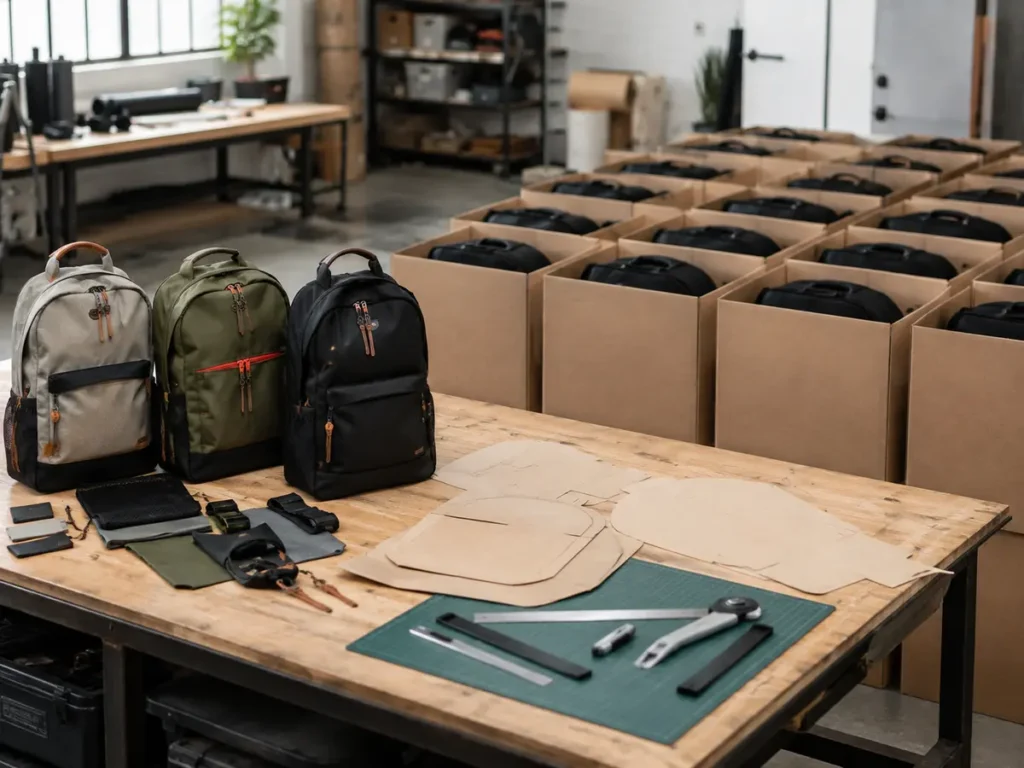
For a reliable quote, state total quantity and quantity per color, structure, logo and packaging version. Ask whether custom-dyed materials or molded parts have higher minimums, how unused custom materials are handled, and whether reorder pricing assumes an unchanged specification. JIUMU’s typical MOQ is 50 pieces, subject to product structure and customization. Review MOQ & Lead Time alongside the actual project.
2. Size, Capacity and Material Consumption
Larger dimensions generally consume more outer fabric, lining, foam, binding, zipper, webbing, and carton space. The relationship is not perfectly linear: changing a panel dimension can alter marker efficiency, the number of parts cut across a fabric width, reinforcement size, packaging arrangement, or shipping volume.
Capacity claims also need a defined method. A nominal “25 L” label does not tell the supplier the panel geometry, opening, foam, pockets, or usable space. Quote using finished dimensions, dimension tolerances, compartment measurements, and representative contents.
Specify finished dimensions and measurement points, intended capacity or contents, sleeve and equipment requirements, expected load, desired structure, and fulfillment limits. A small reduction in unnecessary depth may save fabric and freight, but reducing a critical dimension can make a compartment unusable. Confirm the change with a revised prototype.
3. Outer Fabric, Lining and Coating
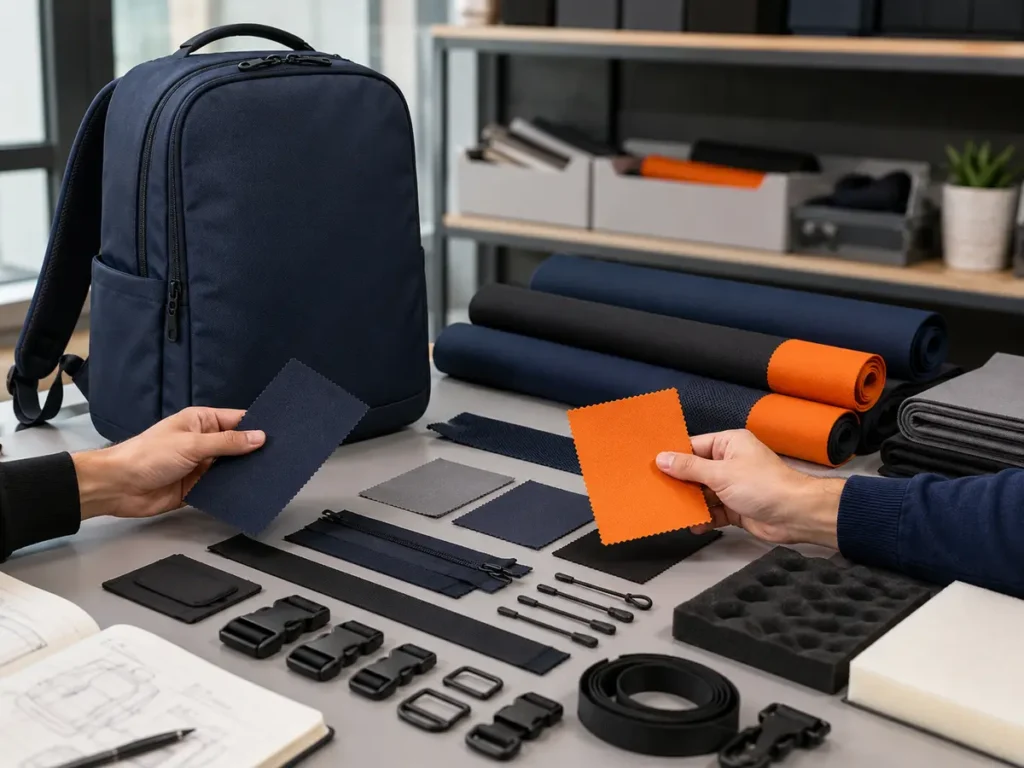
Material names are not complete specifications. “Polyester,” “nylon,” “Oxford,” “canvas,” “RPET,” and “600D” describe only part of a textile. Price and performance can change with yarn, weave, weight, width, finish, backing, coating, color, supplier, test requirements, recycled-content documentation, and purchase quantity.
| Material decision | Possible cost effect | Procurement control |
|---|---|---|
| Outer fabric grade and construction | Changes material price, cutting behavior, sewing difficulty and expected performance | State fiber, construction, weight/denier where relevant, finish, backing and approved code |
| Stock color vs custom color | Custom dyeing can add MOQ, lab-dip, approval time and leftover-material exposure | Define Pantone target, physical standard and closest-stock-color option |
| Coating or lamination | Adds processing and may alter hand feel, seam behavior, odor, durability or water resistance | Specify coating type, performance target, test and acceptance criteria |
| Lining | Adds material, cutting and sewing; printed or light-colored lining can require extra control | Specify fiber, construction, color, print, weight and pocket use |
| Mesh and stretch materials | Component quality and recovery influence performance and sewing control | Approve an actual sample and relevant stretch/recovery requirement |
| Documented recycled content | May affect sourcing, certification scope, transaction records and minimums | Define required claim and documentation before quotation |
Material performance should be requested as an observable requirement, not a marketing adjective. For example, “heavy duty” does not define abrasion, tear, seam strength, coating adhesion, or colorfastness. “Waterproof fabric” does not prove the complete sewn backpack is waterproof because seams, needle holes, zippers, and openings remain possible entry points.
If budget is tight, ask the supplier for three controlled options: the specified material, a value-engineered alternative with stated differences, and a premium alternative. Approve any substitution through a coded swatch and updated bill of materials.
4. Lining, Foam, Stiffeners and Reinforcement
Interior materials can be less visible than the outer shell but materially affect cost and function. A padded laptop compartment can include lining, foam or EVA, a suspended base, binding, elastic, hook-and-loop, and a structural divider. A back panel can contain foam, mesh, stiffener, channels, and reinforcement at the shoulder-strap roots.
Cost increases when a design requires:
- multiple foam thicknesses or densities;
- shaped padding that needs precise cutting;
- EVA or PE sheet for structure;
- internal reinforcement patches hidden beneath the lining;
- suspended laptop sleeves or false bottoms;
- padded dividers and separate equipment zones;
- bound seams and clean internal finishing;
- additional layers that are difficult to align during sewing.
Do not remove reinforcement from a load path simply because it is invisible. A better cost review distinguishes value-adding protection from decorative complexity. Confirm the target load and use case, then place material where it changes performance.
5. Compartments and Structural Complexity
Why do complex bags cost more? Because each additional functional part can create new pattern pieces, cutting operations, component purchases, sewing paths, turning steps, alignment risks, inspection points, and rework opportunities.
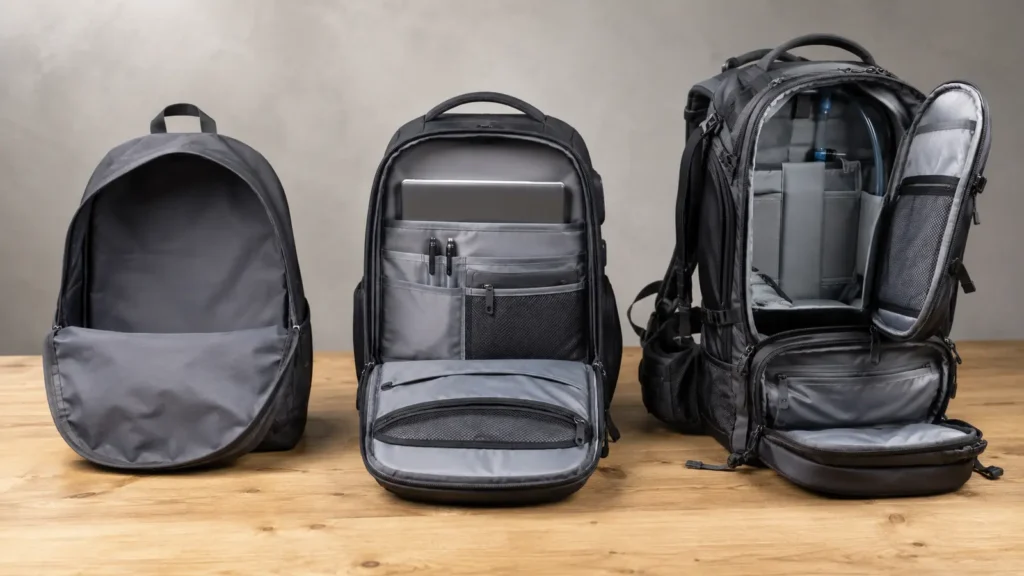
“Three pockets” is not enough information. A flat patch pocket, a zippered gusset pocket, a padded laptop compartment, and an expandable shoe compartment have very different inputs.
| Specification level | Typical construction | Main cost logic | Suitable when |
|---|---|---|---|
| Basic | One main compartment, simple front pocket, standard lining or unlined construction, standard straps and components | Fewer parts, sewing operations and inspection points | Lightweight promotional use or a tightly controlled budget |
| Standard | Lined body, padded laptop sleeve, organizer pocket, bottle pockets, padded straps and selected reinforcement | More materials and assembly but broadly repeatable construction | School, office, team or everyday programs |
| Complex | Multiple gussets, equipment zones, molded or structured parts, extensive padding, custom hardware, access panels or special opening systems | High part count, labor minutes, setup, alignment and QC burden | Technical, travel, equipment or premium private-label projects |
The lowest-risk way to reduce structural cost is to start from the user’s essential tasks. Combine pockets that serve the same purpose, standardize repeated parts, avoid decorative seams without a function, and ensure the opening provides access to the space already paid for.
6. Zippers, Buckles, Webbing and Custom Hardware
Components influence both product cost and failure risk. A quotation should define zipper type and size, tape color, slider count, puller, stops, buckle material and dimensions, webbing width and construction, adjusters, hooks, rivets, feet, and any metal finish.
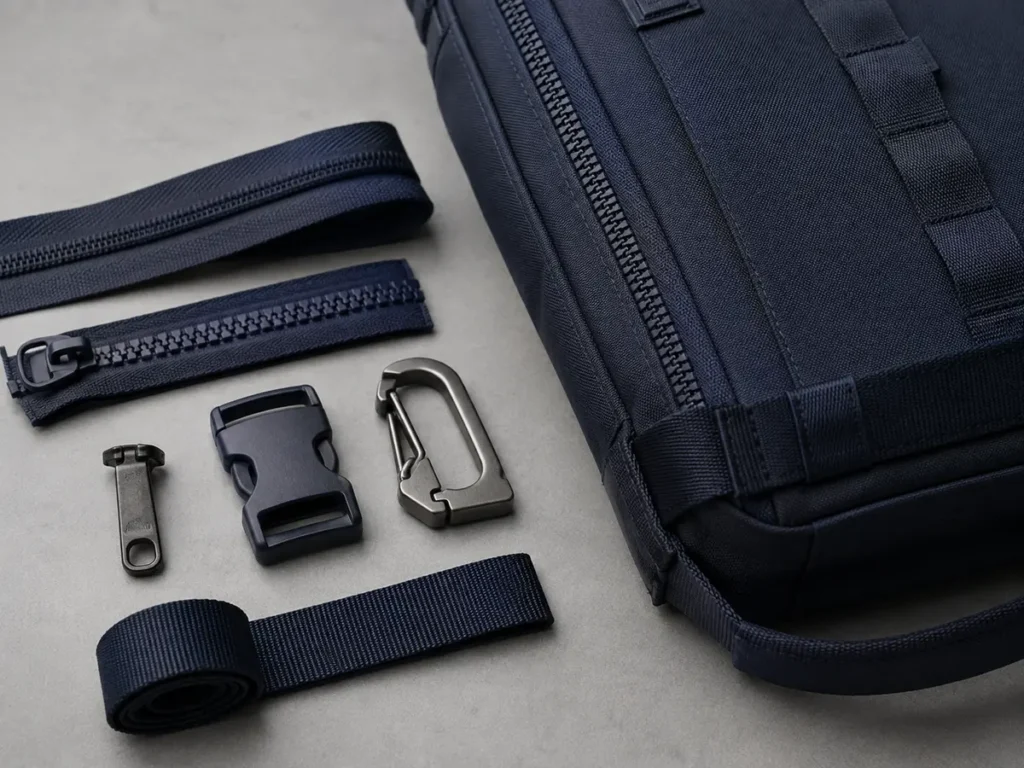
Larger hardware is not automatically stronger or more suitable. The assembly must match the load, webbing, seam, coating, and intended operation. Premium-looking metal may add weight, finishing requirements and corrosion considerations. A decorative puller can become uncomfortable or stress the slider if its shape and mass are poorly controlled.
Custom hardware can introduce:
- design and engineering review;
- mold or die cost;
- prototype and finish samples;
- plating, painting, laser marking, or color matching;
- component MOQ and spare-part planning;
- additional inspection for dimensions, finish and function;
- longer replacement lead time on repeat orders.
Request a standard-component option when budget or schedule is more important than complete uniqueness. If a custom puller or buckle is central to the brand, keep its drawing, material, color, tooling ownership, approved sample, and reorder code in the project file.
7. Logo Method, Pantone Matching, Labels and Packaging
Does embroidery cost more? Sometimes, but not universally. Embroidery cost is influenced by stitch count, design area, fill density, number of placements, backing, thread changes, panel access, machine time, sampling, and quantity. A small dense logo can take longer than a larger simple outline. Sewing after the bag is assembled may require a different method or may be impractical.
Screen printing, heat transfer, sublimation on suitable panels, woven patches, rubber/PVC patches, leather-style patches, and embroidery each have different setup, unit, MOQ, durability, and artwork constraints. Compare methods on the same visual target and use case.
Pantone references help define a target, but stock fabric, zipper tape, webbing, thread, plastic and coated metal cannot always appear identical. Texture and gloss change the visual result. Custom dyeing may add minimums and approval time. Approve the intended relationship using physical swatches or a prototype under agreed viewing conditions.
Private-label additions may include woven labels, care labels, country-of-origin marking, size labels, hangtags, barcode labels, branded bags, tissue, inserts, retail boxes, carton labels, and fulfillment labels. Every variant can add files, data handling, material purchases, application labor, inspection, and packaging volume.
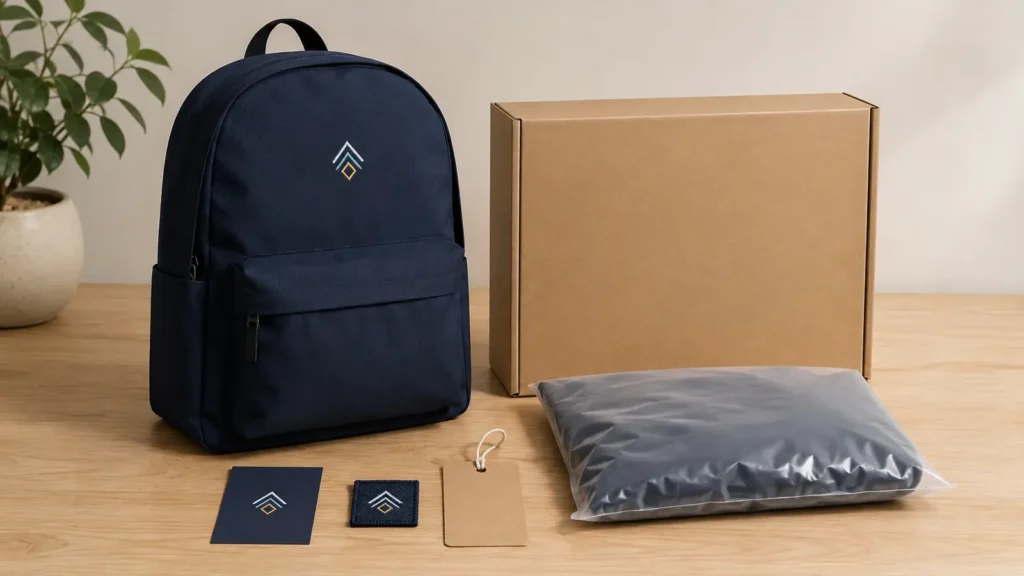
Packaging can reduce damage but raise freight
A structured backpack may need shape support, while a soft backpack may be compressed more efficiently. Individual retail boxes can improve presentation and protection, but they can substantially increase carton volume. Couriers may calculate billable weight using actual weight or dimensional weight, whichever is greater. UPS and FedEx both explain this principle in their current shipping guidance; the applicable divisor and rules depend on service and contract. Review the UPS dimensional-weight guide and FedEx dimensional-weight explanation.
8. Tooling, Samples, Testing and Revisions
Development cost should be visible. Depending on the project, it can include pattern making, material sourcing, logo sampling, prototype sewing, custom molds, cutting dies, test fixtures, courier charges, and revision work.
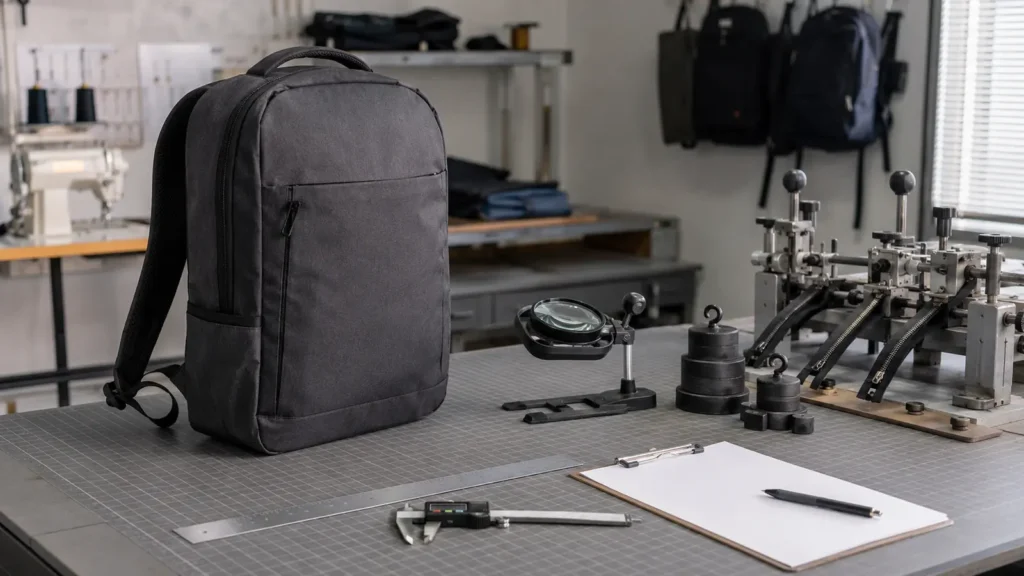
Are tooling and samples included?
Never assume. A supplier may:
- quote them separately;
- include part of the work in a development fee;
- amortize an agreed cost into the unit price;
- credit a sample fee after a qualifying bulk order;
- exclude courier, custom components, third-party tests, or additional revisions.
Any credit or refund must be written with conditions. Confirm how many prototypes, logo samples, color rounds, and revisions are included; who owns custom tooling; how long it will be retained; who pays maintenance or replacement; and what happens if the project stops.
Testing requires a defined method, sample size, conditioning, acceptance criteria and responsible party. Identify regulatory and buyer-specific requirements before materials are ordered.
Change control prevents hidden cost
| Change | Direct effect | Possible secondary effect | Approval needed |
|---|---|---|---|
| Add laptop foam | Foam and sewing cost | Reduces internal space; may change zipper loading and carton volume | Updated dimensions, sample and BOM |
| Change to custom zipper color | Component price and MOQ | Longer material lead time and leftover stock | Lab dip/component sample and quantity approval |
| Enlarge embroidery | More stitches and backing | Panel puckering or reduced pocket clearance | Artwork, strike-off and placement approval |
| Add retail box | Packaging material and labor | Higher dimensional weight and storage volume | Pack-out sample and shipping recalculation |
| Add a late pocket | Pattern, zipper, lining and labor | Changes balance, sequence and sample approval | Formal change order and revised prototype |
Maintain a Change-Order Log with request date, old and new specification, reason, price impact, schedule impact, affected files, approver, and effective version. A messaging-app approval without a consolidated revision can result in different departments using different instructions.
9. Standard Versus Rush Production
A target delivery date should be provided at quotation stage. It affects material availability, sampling rounds, production scheduling, testing, inspection, packing, freight, customs clearance, and contingency time.
Rush service is not simply “the same order made faster.” It can require stocked substitutes, priority component purchasing, overtime, reduced consolidation opportunities, faster courier approval rounds, or air freight. Some steps cannot be compressed responsibly, particularly custom dyeing, tooling, test turnaround, sample approval, and correction of a failed result.
Ask the supplier to separate sample, material booking, production, inspection, export booking, transit, customs, final delivery and buffer time. JIUMU’s bag sample guidance is typically 10–14 days, while bulk timing depends on complexity, approvals, material readiness and schedule. Treat current written confirmation for the specific order as authoritative.
10. EXW, FOB, FCA, DDP and Total Landed Cost
The product unit price is not the total landed cost. A buyer comparing quotations must normalize the point at which each supplier stops paying and stops carrying delivery responsibility.
ICC’s Incoterms® 2020 materials explain that the rules allocate delivery tasks, costs and risks. ICC guidance also notes that FCA is generally more appropriate than FOB for containerized or multimodal shipments because FOB delivery is tied to loading on board a vessel. Select the rule with a qualified logistics adviser and use the named place precisely. See ICC on FCA versus FOB.
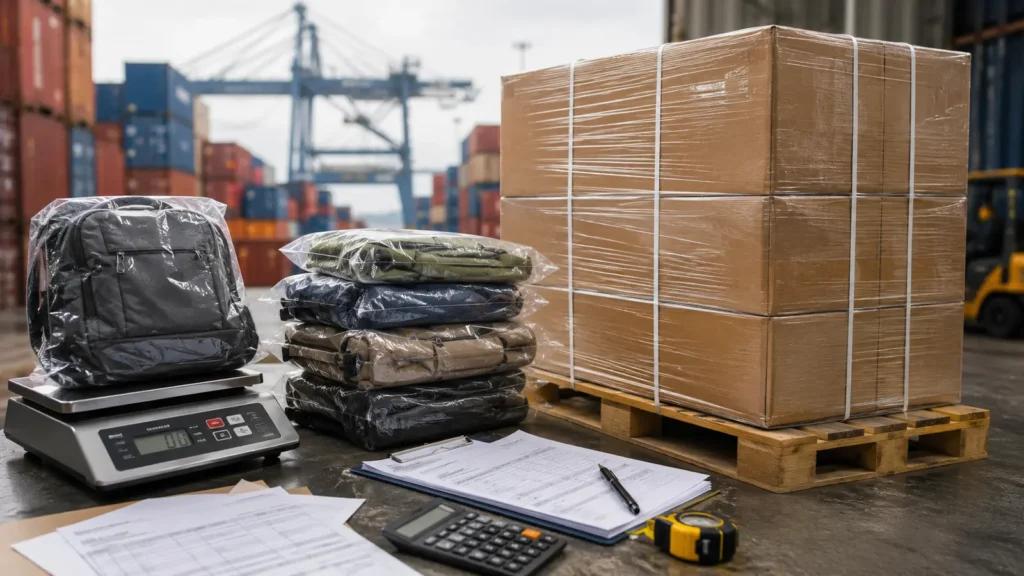
Total Landed Cost Worksheet
| Cost field | Supplier quote | Freight forwarder | Broker / buyer | Confirmed amount |
|---|---|---|---|---|
| Goods value under agreed Incoterm | ||||
| Samples, tooling and development | ||||
| Testing and inspection | ||||
| Origin pickup and handling | ||||
| Export documentation / clearance | ||||
| International freight | ||||
| Cargo insurance | ||||
| Destination terminal / carrier fees | ||||
| Customs brokerage | ||||
| Duty, import tax or VAT | ||||
| Storage, examination or contingency | ||||
| Final delivery and appointment fees | ||||
| Estimated total landed cost | ||||
| Estimated landed cost per conforming unit |
Duty and tax cannot be responsibly estimated from “backpack” alone. Classification, materials, intended characteristics, origin, destination, customs value, current measures and importer circumstances can matter. U.S. Customs and Border Protection states that the importer is ultimately responsible for duty owed and that classification can be complex. The European Commission directs businesses to use Access2Markets with origin, destination and product code to find applicable duties. Consult the relevant customs authority or broker: CBP Basic Importing and Exporting and EU Access2Markets.
A Quote Comparison Worksheet
Use one row per supplier and attach the same specification revision.
| Comparison field | Supplier A | Supplier B | Supplier C |
|---|---|---|---|
| Quote date and validity | |||
| Tech Pack / BOM version | |||
| Quantity by color | |||
| Unit price and currency | |||
| Incoterm® rule and named place | |||
| Outer fabric and lining codes | |||
| Zipper, buckle and webbing specification | |||
| Logo method, size and placements | |||
| Unit packing and carton pack-out | |||
| Sample, tooling and test charges | |||
| Included inspection | |||
| Sample and bulk lead time trigger | |||
| Carton dimensions, gross weight and volume | |||
| Exclusions and assumptions | |||
| Estimated total landed cost |
If a field differs, the quotations are not yet directly comparable. Request a clarification rather than treating the cheapest total as final.
How to Reduce Cost Without Removing Critical Quality
Value engineering should protect the product’s main function and load paths.
| Cost-control option | Potential benefit | Risk to check |
|---|---|---|
| Use a stocked fabric color | Lower material minimum and faster sourcing | Brand-color difference and limited future availability |
| Standardize zipper, buckle and webbing sizes | Better purchasing efficiency and fewer components | Hardware still must suit loads and user operation |
| Simplify decorative seams or duplicate pockets | Fewer parts and sewing operations | Do not remove necessary access or organization |
| Keep custom branding in one high-visibility location | Reduces decoration setup and labor | Confirm the smaller branding system still meets retail needs |
| Use a protective polybag and efficient carton instead of a retail box | Lower packaging and dimensional-weight exposure | Confirm presentation, fulfillment and crush protection |
| Consolidate colors or packaging variants | Larger production lots and fewer changeovers | Sales assortment may be less flexible |
| Freeze the specification before sampling | Avoids repeated development and late change cost | Requires internal stakeholder alignment earlier |
| Plan sea freight with adequate buffer | Can lower transport cost for suitable volumes | Longer transit, moisture plan and inventory timing |
Do not reduce reinforcement, zipper quality, seam allowance, thread security, or required testing without reviewing the use case. A cheaper bag that fails, needs rework, arrives late, or creates returns can have a higher total cost.
What to Send for a Custom Backpack Quotation
Send one RFQ folder containing:
- company and project name;
- target market, use case and user group;
- reference images plus a written list of what must and must not be copied;
- Tech Pack revision, finished dimensions and measurement method;
- expected contents, capacity and load requirements;
- complete bill of materials or performance-based material brief;
- compartment drawings and opening dimensions;
- zipper, buckle, webbing, foam, lining and reinforcement requirements;
- editable logo artwork, Pantone targets, size, placement and process;
- labels, compliance marks, barcode data and packaging files where applicable;
- quantity by color, logo, packaging and delivery destination;
- sample, test, inspection and approval requirements;
- target arrival date—not only production-completion date;
- requested Incoterm® rule and named place;
- any target-cost objective, identified as a planning constraint rather than an instruction to hide specification changes.
For product development, explore Custom Team Bags and JIUMU’s Manufacturing Capabilities. For delivery responsibilities, review EXW vs FOB vs DDP.
Request a comparable quotation: Send JIUMU your target quantity, dimensions, reference images or Tech Pack, materials, compartments, logo files, packaging, destination and required arrival date. We can identify missing specifications before preparing a custom proposal.
Quality Control and Approval Before Bulk Production
Cost certainty depends on specification certainty. A quote based on one construction cannot remain valid after the product changes significantly.
Use successive gates: document quotation assumptions; approve coded material swatches; measure the prototype; retain the Golden Sample with its Tech Pack and BOM; freeze quantity, artwork, packaging and tests; check a production first article where agreed; inspect bulk goods; and reconcile final carton data with the freight quote. Define measurement tolerances, color acceptance, sampling, defect classes and the disposition of results outside the agreed limits.
Why Work With JIUMU on Custom Backpack Development
JIUMU supports OEM and ODM product development for custom bags and branded merchandise. Its relevant capabilities include material sourcing, Pantone color matching, embroidery, printing and patch methods, private labels, hangtags, packaging customization, digital mockups, physical samples, quality control and export support.
The objective is to translate a use case into a written specification, identify material cost decisions, make a prototype, record approvals and prepare bulk production around the same version-controlled requirements.
Frequently Asked Questions
Final Recommendation
The best custom backpack quotation is not the shortest number. It is the clearest commercial model tied to a stable product specification. First define the bag’s use, dimensions, materials, construction, components, branding, packaging, quantity and delivery requirement. Then separate unit manufacturing cost, one-time development, order-level services, freight and import charges.
Compare suppliers using the same Tech Pack and Total Landed Cost worksheet. Approve physical materials and a prototype, record every revision, and recalculate shipping when carton dimensions change. This process creates a more reliable budget and reduces the risk of substitutions, late cost additions, unusable features, or an apparently inexpensive order becoming costly after arrival.
Start a custom backpack cost review: Email zhengdong@jiumugear.com, contact JIUMU on WhatsApp at +86 18507502899, or use the Contact Us page. Include quantity by color, size, material, compartments, logo, packaging, destination and required delivery date.
About JIUMU
JIUMU supports OEM and ODM custom bags, teamwear, hats and branded merchandise for professional buyers. Established in 2010 in Guangdong, China.