Baseball Jersey Design Ideas for Teams, Schools and Apparel Brands
Baseball jersey design is not only a question of choosing attractive colors. A successful jersey must communicate identity, keep names and numbers readable, work with the selected fabric and decoration method, and remain consistent across player sizes and repeat orders.
This guide presents practical baseball jersey design ideas for teams, schools, clubs, and apparel brands. It explains visual direction, silhouettes, logos, player details, decoration methods, and production-ready sourcing briefs.
Quick Answer: The strongest baseball jersey designs usually begin with one clear identity idea, two or three controlled colors, a readable front mark, high-contrast player numbers, and a silhouette suited to the intended use. Traditional button-front jerseys work well for classic team programs, while V-neck and full-sublimation jerseys support lightweight performance collections and more complex graphics. Before bulk production, approve a physical sample in the correct fabric and inspect color, fit, artwork scale, seams, lettering, number visibility, and wash performance.
Turn a Jersey Idea Into a Production Brief
A supplier needs more than a visual reference. Use this custom team jersey design guide to organize the creative and production decisions. Include the jersey silhouette, fabric preference, color references, logo files, name and number fonts, decoration method, roster by size, quantity, delivery destination, and required date. Ask for a production-intent sample so artwork scale, color contrast, fit, seams, and player details can be approved before bulk manufacturing.
Compare JIUMU GEAR’s custom team uniform options and baseball team uniform packages, then request a custom baseball jersey quotation with your artwork and roster.
What Makes a Baseball Jersey Design Effective?
An effective design performs three jobs at the same time:
- It identifies the team or brand quickly from a distance.
- It gives players a comfortable, functional garment for the intended level of play.
- It can be reproduced consistently across youth and adult sizes, repeat orders, and related teamwear.
A dramatic mockup can still fail if numbers disappear against the body color, a mark crosses a seam, or a small sleeve detail cannot be produced cleanly. Strong baseball jersey design ideas are systems that define how colors, logos, typography, trims, player information, and packaging work together.
For school and college programs, compliance belongs in the first design review. Governing bodies may regulate uniformity, number visibility, logo use, color contrast, or manufacturer marks. NFHS publishes current high-school baseball resources and uniform guidance, while NCAA baseball programs should verify the current rule book, including Rule 1-14, before artwork approval. Requirements can change, so use the official sources rather than a supplier’s memory alone:
Start With a Design Direction, Not a Decoration Method
Buyers often begin by asking whether they should use embroidery or sublimation. A better first question is: what should the uniform communicate?
Write a one-sentence design direction before creating artwork. Examples include:
- A heritage baseball look for an established school program
- A fast, contemporary identity for a travel team
- A clean retail jersey that can be worn on and off the field
- A tournament edition connected to a place, season, or event
- A restrained premium collection for a private-label apparel brand
Use this sentence as a filter. If a graphic or trim does not reinforce the direction, it may be unnecessary. A controlled system also remains recognizable when a sponsor, roster, or secondary color changes.
Baseball Jersey Design Ideas at a Glance
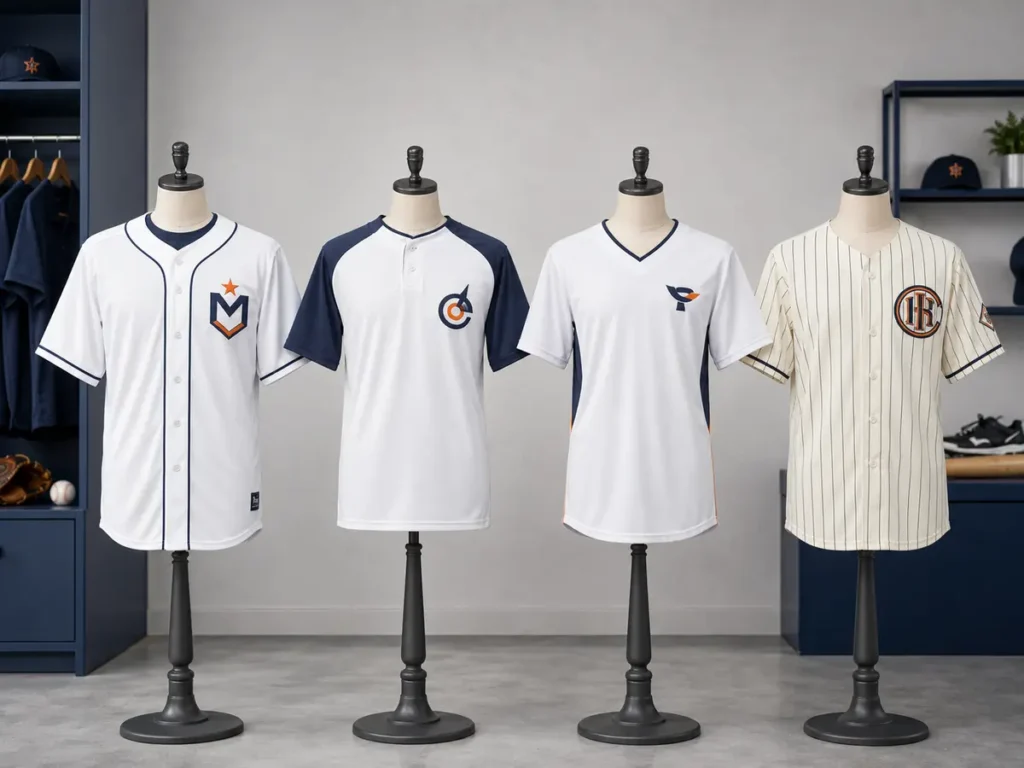
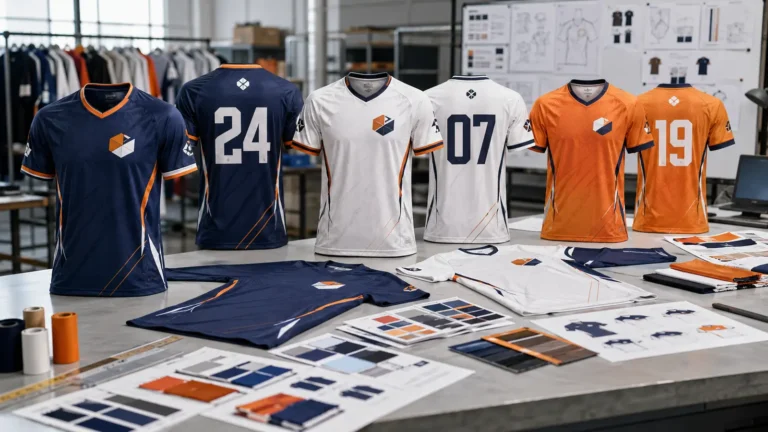
Silhouette and construction should be selected before artwork and decoration are finalized.
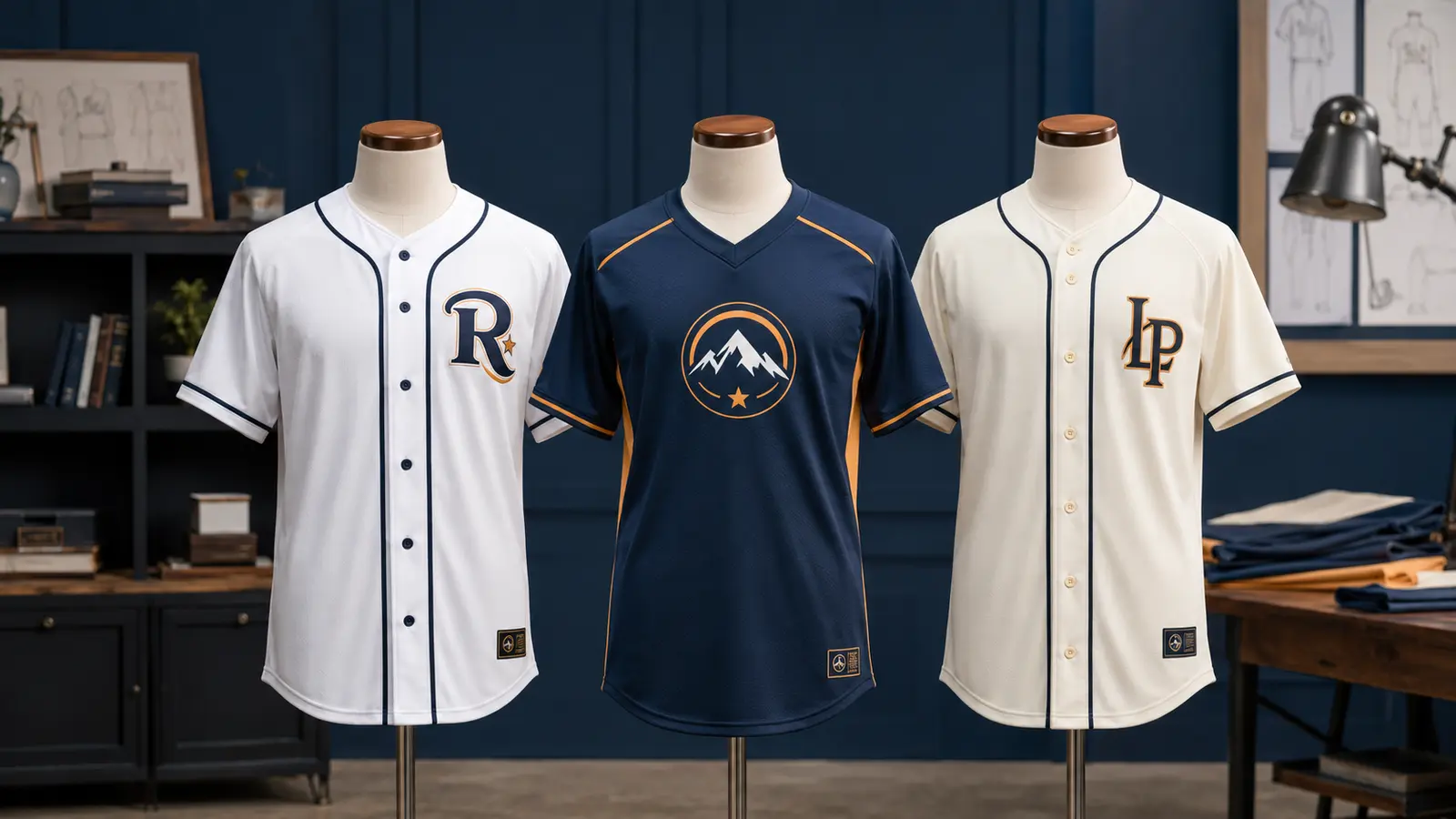
The following directions can be adapted to different budgets and buyer types.
| Design direction | Signature elements | Best suited to | Production considerations |
|---|---|---|---|
| Classic pinstripe | Fine vertical stripes, script team name, contrast piping | Schools, heritage clubs, alumni programs | Stripe alignment and lettering readability must be checked |
| Clean two-tone | Solid body, contrast sleeves or side panels, block numbers | Youth teams, leagues, broad size ranges | Easy to coordinate and reorder |
| Full sublimation | Gradients, tonal patterns, integrated names and numbers | Travel teams, tournaments, performance collections | Color should be approved on the actual fabric |
| Vintage cream | Warm off-white base, dark trim, restrained marks | Heritage capsules, retail brands, special editions | Confirm fabric shade and stain-care expectations |
| Modern tonal | One color family with subtle texture and one bright accent | Apparel brands, clubs, premium merchandise | Maintain enough contrast for numbers and logos |
| City or regional story | Local colors, geographic motifs, sleeve emblem | Schools, community teams, event jerseys | Use original artwork and clear rights ownership |
| Alternate dark jersey | Navy, black, maroon, or forest base with light numbers | Away kits, night games, secondary uniforms | Consider heat and colorfastness requirements |
| Minimal wordmark | Small chest mark, clean back number, limited trim | Fashion-led apparel and team travel wear | Placement, blank space, and garment fit become critical |
| Sponsor-ready system | Defined zones for team, sponsor, league, and player marks | Tournaments, clubs, promotional programs | Lock artwork hierarchy before adding logos |
| Coordinated team package | Jersey connected to pants, cap, socks, jacket, and bag | Schools, clubs, distributors | Use shared Pantone references and repeatable artwork files |
1. Classic Button-Front Jersey With Piping
The button-front baseball jersey remains the clearest traditional option. It works especially well with a script team name, an arched wordmark, a small left-chest monogram, or a controlled combination of front and sleeve marks.
Use piping to frame the placket, collar, and sleeve edge. One contrast color is usually enough. When multiple piping colors are used, the garment can become visually busy and more difficult to coordinate with pants and caps.
Design considerations include:
- Keep critical letters away from the center placket and buttons.
- Decide whether the wordmark will cross the placket or sit on one side.
- Check how the logo appears when the jersey is worn open at the neck.
- Review the smallest youth size as well as the largest adult size.
- Specify whether the lower hem is intended to be tucked or worn untucked.
This direction is suitable for school teams, established clubs, heritage collections, and buyers who want an unmistakable baseball silhouette.
2. Modern V-Neck Performance Jersey
A V-neck or two-button performance jersey offers a cleaner front and fewer interruptions to artwork. It is well suited to lightweight polyester, mesh zones, sublimation, heat transfer, or a combination of printed graphics and applied patches.
For a professional look, use one primary chest element and move supporting details to the sleeve, back neck, or lower hem. Avoid filling every open area. Negative space improves readability and gives a modern uniform more confidence.
This style is effective for travel baseball, training programs, tournament uniforms, youth leagues, and brands developing crossover sportswear. It can also reduce some of the placement problems caused by a full button placket, although neck trim and seam locations still need to be considered.
3. Pinstripe Heritage Design
Pinstripes create an immediate connection to baseball history. They can be woven, printed, or sublimated depending on the garment construction and budget. A restrained stripe width and spacing usually looks more authentic than an oversized fashion stripe.
Pair pinstripes with:
- A script team name or compact monogram
- Solid-color sleeves or collar trim
- Tackle-twill-style lettering
- A cream, white, or light grey ground
- Simple block numbers on the back
The main production risk is visual interference. Thin letters can disappear against the stripe pattern. Add a border, select a solid appliqué, or create a clear area behind the wordmark. On sublimated jerseys, inspect how stripes meet at side seams, shoulders, and sleeve joins.
4. Two-Tone Jersey With Contrast Sleeves
A two-tone structure is one of the most versatile options for teams and schools. The body carries the primary color, while sleeves, shoulder panels, or side inserts introduce the secondary color. Varsity, youth, staff, and fanwear versions can share this architecture while using different trims or garment weights.
For reliable bulk production, define:
- Primary body color
- Secondary sleeve or panel color
- Accent color for piping and number outlines
- Home and away combinations
- Matching pant, cap, sock, and belt colors
Use a physical color standard where possible. A screen color, printed paper swatch, and dyed fabric can appear different under stadium lighting, daylight, and indoor light.
5. Full-Sublimation Graphic Jersey
Full sublimation gives the greatest freedom for gradients, tonal textures, camouflage-inspired patterns, geometric movement, and integrated player information. Because the artwork becomes part of the polyester fabric, it can support large visual areas without stacking heavy layers of decoration.
The design still needs discipline. Choose one background treatment, one primary logo, and one number system. Keep tonal graphics behind high-priority information.
Useful sublimation directions include:
- A diagonal speed pattern that moves from shoulder to hem
- A tonal map or topographic texture connected to the team’s region
- A subtle diamond-grid pattern inspired by the baseball field
- A controlled gradient using two neighboring brand colors
- A faint repeating monogram developed from original team artwork
- A dark alternate jersey with a lighter shoulder fade
Approve color on the final fabric. Sublimated colors may not match embroidery thread, caps, pants, or printed accessories without coordinated sampling.
6. Vintage Cream and Heritage Color Palette
An off-white or cream base can give a baseball jersey a mature, archival character. Combine it with navy, maroon, forest green, dark brown, or muted red. Felt-style patches, chain-stitch-inspired artwork, classic serifs, and simple sleeve bands can reinforce the story.
This direction works for anniversaries, alumni merchandise, club capsules, and apparel brands. It should still be treated as a contemporary product specification. Confirm the exact cream tone, fabric opacity, shrinkage expectations, decoration compatibility, and care label. If the jersey will be used in active competition, balance the heritage appearance with a breathable structure and practical wash requirements.
7. Minimal Apparel-Brand Jersey
Retail and private-label buyers may want a baseball silhouette without a traditional team-uniform appearance. A minimal design can use a relaxed fit, small front monogram, clean back graphic, tonal embroidery, woven hem label, and coordinated packaging.
The visual hierarchy might be:
- Small left-chest brand mark
- Large back number or seasonal graphic
- Subtle sleeve label
- Private neck label and size label
- Coordinated hangtag and packaging
Minimal design depends on execution. Stitch density, label placement, fabric hand feel, button quality, collar shape, and artwork spacing become more noticeable when there are fewer graphics. Request a pre-production sample and evaluate it as a complete retail product, not only as a jersey blank.
8. School Identity System
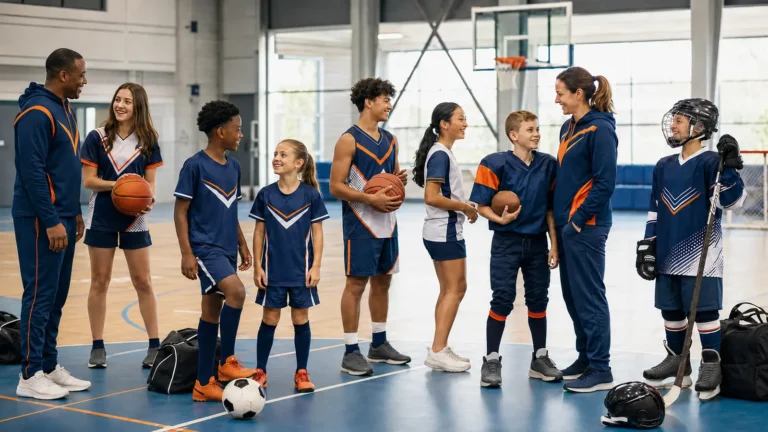
A school baseball jersey should connect to the wider athletic identity. Use approved colors, authorized marks and typography, and one number style. A shared identity sheet reduces drift when several sports order from different suppliers.
A practical school specification can include:
- Primary and secondary color references
- Approved school name, initials, mascot, and crest files
- Home, away, and alternate layouts
- Grade-level or team-level distinctions
- Player name policy
- Sponsor and league-mark rules
- Number font, outline, minimum visual size, and placement
- Matching cap and outerwear direction
Confirm current competition rules before final approval. The designer, athletic director, coach, and supplier should sign off on one artwork set.
9. Coordinated Home, Away, and Alternate Set
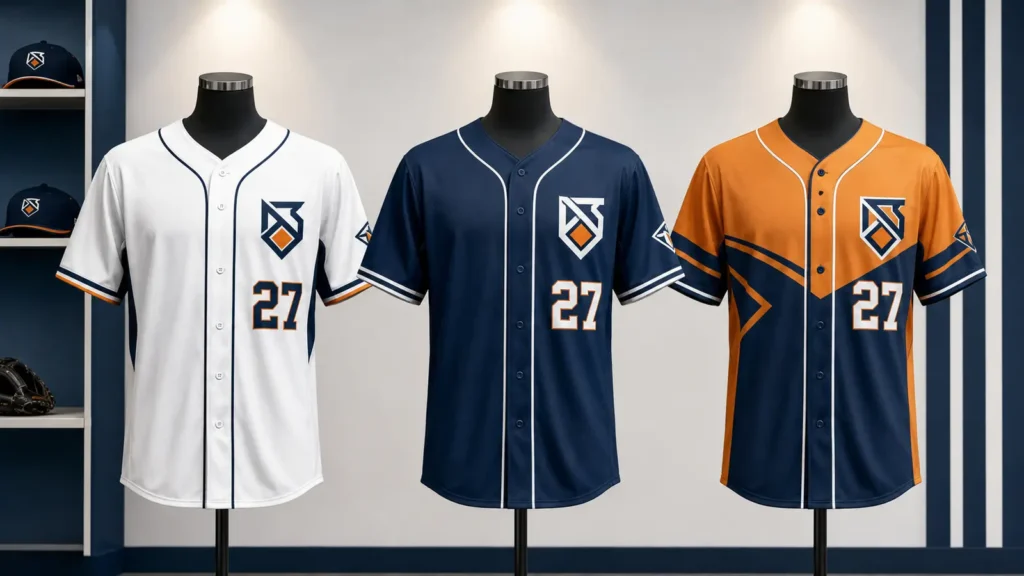
A shared grid, number style and color standard keeps a multi-jersey program visually consistent.
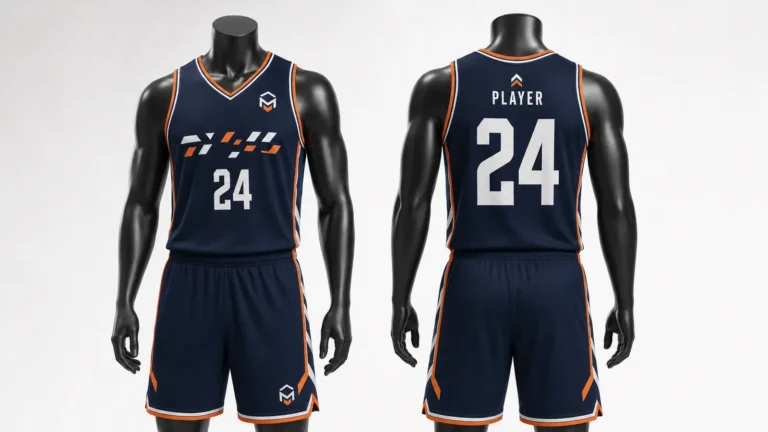
A three-jersey set should feel related without looking duplicated. Start with one master grid for neck treatment, number position, logo scale, and trim width. Then vary the dominant color and one secondary element.
| Set | Recommended structure | Design purpose |
|---|---|---|
| Home | Light body, dark wordmark and numbers | High clarity and traditional presentation |
| Away | Mid or dark body, light numbers, controlled accent | Strong contrast against the home set |
| Alternate | Brand-led color, heritage concept, or event graphic | Special games, tournaments, retail interest |
The alternate jersey should still use the same team typography, number construction, and core color references. This preserves identity and makes coordinated caps, jackets, and bags easier to source.
Color Systems: How to Build a Usable Palette
Build a three-level palette:
- Primary color: the dominant body or identity color
- Secondary color: sleeves, panels, wordmark, or main number
- Accent color: piping, outlines, labels, or small highlights
Two colors can be enough. A third accent should have a clear job. For names and numbers, contrast matters more than novelty. Review the design at actual size, at a distance, and in grayscale.
Provide Pantone references as targets, but approve physical fabric, ink, film, patch, and thread samples when cross-material matching matters. Different substrates can make the same target color appear different.
Typography, Team Names, and Player Numbers
Typography should match the identity and remain legible in motion. Script lettering suits heritage concepts but needs sufficient stroke width. Athletic block fonts provide clear numbers. Condensed type can fit long names, although extreme compression reduces readability. Buyers must own or license custom lettering.
Before approval, test:
- The longest player surname
- Single- and double-digit numbers
- Similar number pairs such as 3/8, 1/7, and 5/6
- The smallest youth jersey
- The largest adult jersey
- Front artwork across buttons or seams
- The back layout when the jersey is tucked
Create one production alphabet and number set. Define capitalization, punctuation, suffixes, maximum character count, and the rule for unusually long names. Before production, validate every entry with a team jersey roster checklist.
Logo Placement and Decoration Methods
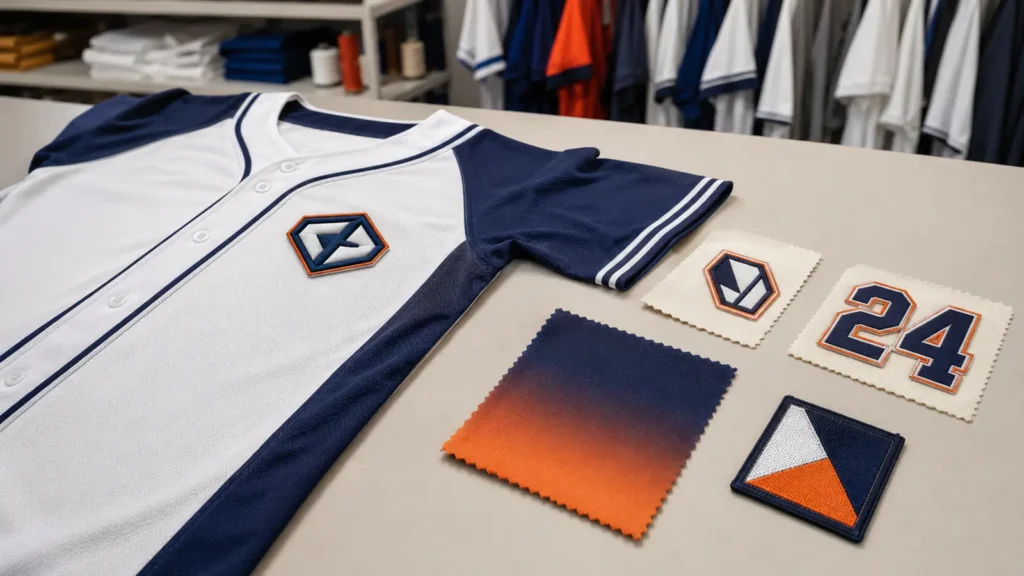
Match each logo method to the artwork, fabric, desired texture, quantity and use case.
The correct method depends on artwork, quantity, fabric, performance needs, texture, budget, and market position.
| Method | Visual result | Suitable uses | Questions to confirm |
|---|---|---|---|
| Sublimation | Smooth, integrated color and complex graphics | Polyester performance jerseys, gradients, all-over designs | Fabric composition, color proof, panel alignment |
| Embroidery | Raised thread texture and durable premium detail | Chest monograms, sleeves, retail accents | Stitch count, backing, small-detail limits, weight |
| Tackle twill or appliqué | Layered athletic lettering with dimensional character | Traditional team names and numbers | Layer count, edge finishing, weight, wash testing |
| Heat transfer | Clean applied graphics with flexible placement | Names, numbers, sponsors, lower quantities | Film type, stretch, adhesion, press marks |
| Screen printing | Solid graphic color and efficient repeat production | Training jerseys, promotional programs, simple artwork | Color count, ink system, fabric compatibility |
| Woven or rubber/PVC patch | Distinct branded component | Sleeve marks, hem labels, fashion-led collections | Minimum line width, attachment method, edge finish |
Do not select a method based on appearance alone. A heavy appliqué may be inappropriate for an ultralight jersey, while very small lettering may not embroider cleanly. Ask the supplier to identify minimum line widths, recommended artwork sizes, seam restrictions, and test procedures for the chosen combination.
Develop a Production-Ready Baseball Jersey
Send JIUMU your reference images or tech pack, target quantity, size range, garment style, colors, logos, roster details, decoration preferences, packaging needs, and required delivery date. The team can review the specification and prepare a quotation, digital mockup, and sampling plan.
Fabric and Construction Decisions Behind the Design
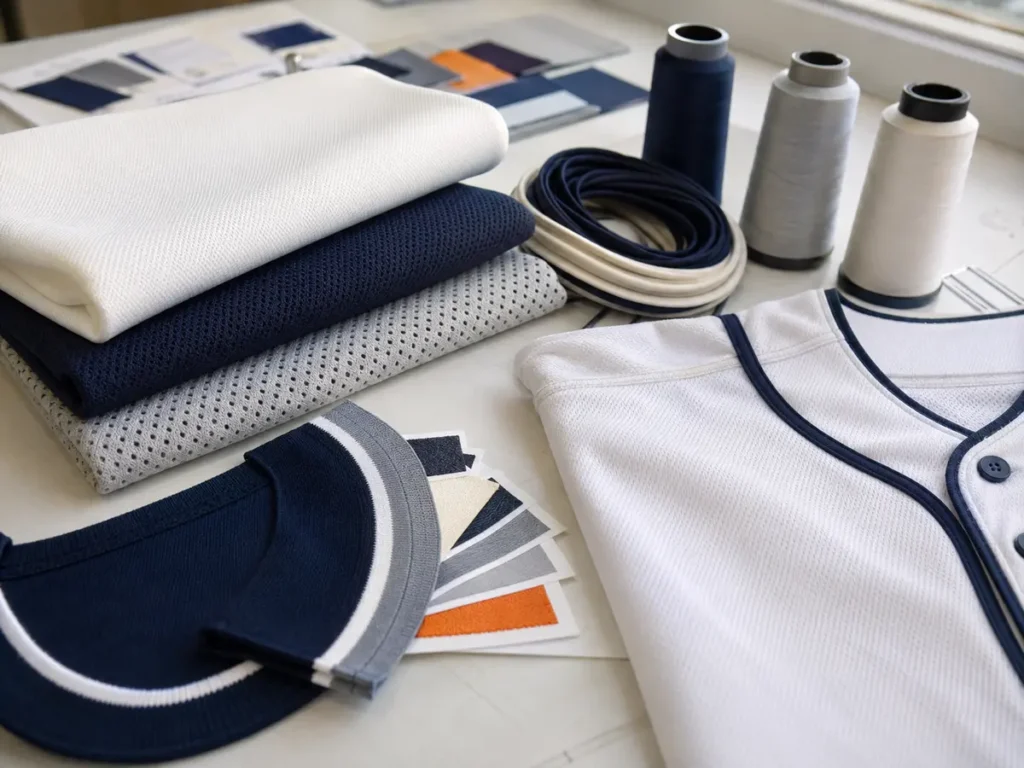
Fabric weight, knit structure, opacity and decoration compatibility should be evaluated together.
The design should reflect how the jersey will be worn. Competitive summer play may prioritize a lightweight polyester knit, breathability, moisture management, and movement. A retail heritage jersey may prioritize drape, hand feel, structure, and decoration quality. A school program may need a balanced fabric that can handle frequent laundering and repeat use.
Specifications to compare include:
- Fiber composition
- Fabric weight in grams per square meter
- Knit structure
- Stretch direction and recovery
- Breathability or mesh placement
- Opacity, especially for white jerseys
- Surface texture for printing or embroidery
- Pilling, snagging, and abrasion expectations
- Colorfastness and wash-care requirements
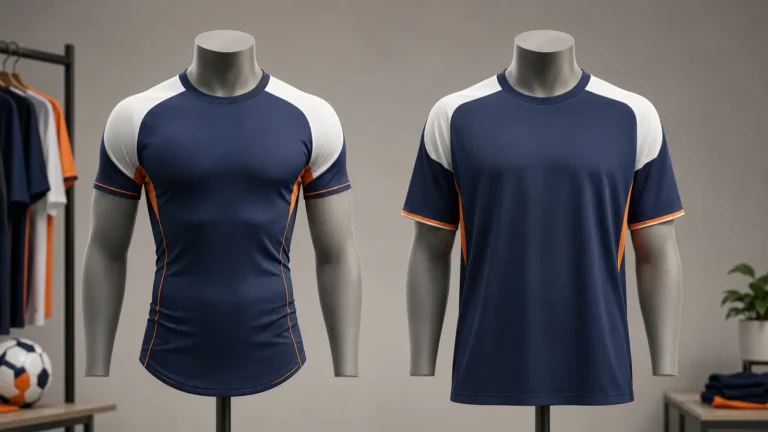
Construction details also shape the final look. Raglan sleeves create a broad shoulder line and useful color-blocking area. Set-in sleeves can feel cleaner for retail collections. Side panels support ventilation or contrast design. Reinforced plackets, secure buttons, stable collars, coverstitching, and clean internal finishing affect how the jersey performs and presents.
Translate each feature into a procurement decision. If the jersey needs large embroidery, choose a fabric and backing system that controls distortion. If the artwork crosses panels, request seam-alignment tolerances. If white opacity matters, examine the sample under bright light. If players will wear protective gear, review bulk and seam placement in the relevant areas.
Designing Across Youth and Adult Sizes
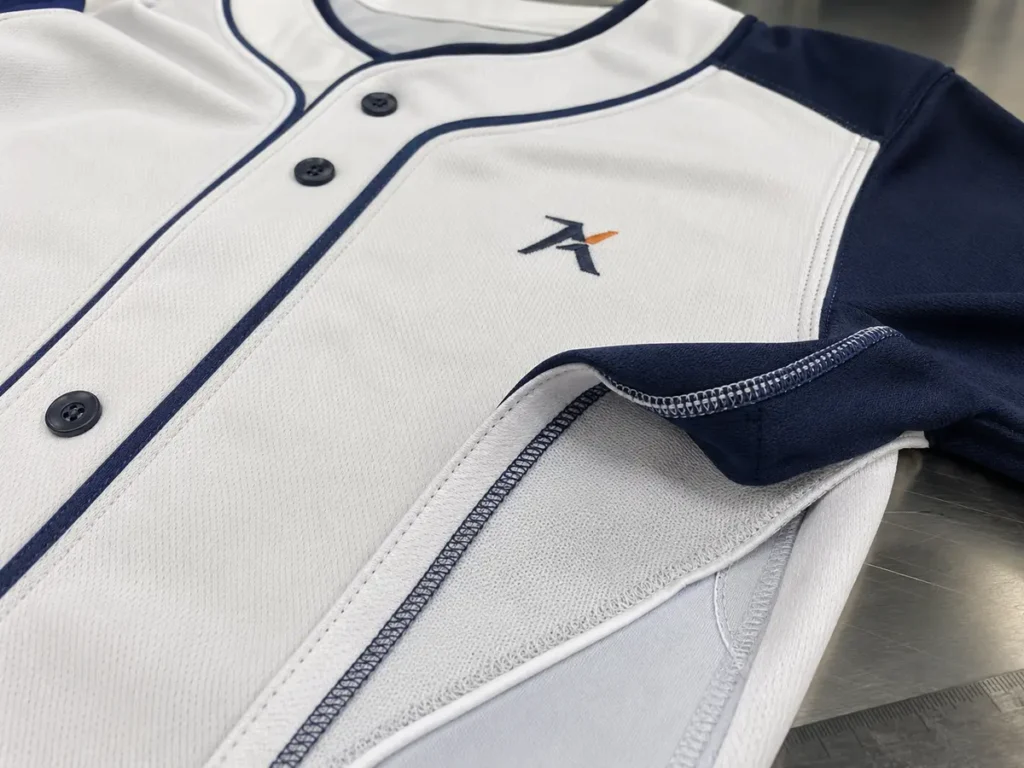
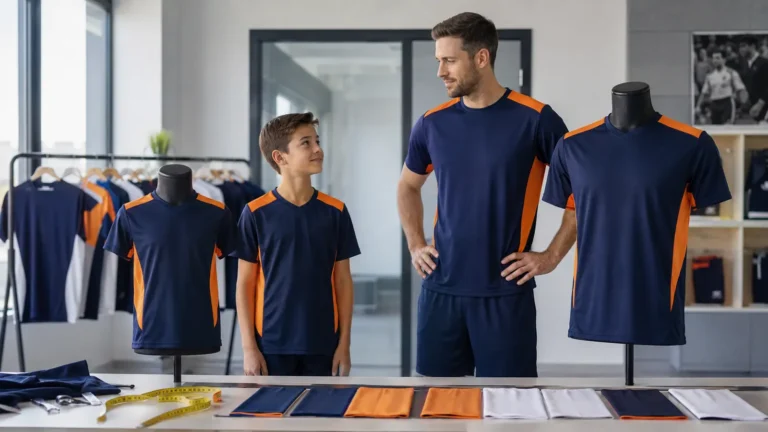
Construction details influence appearance, comfort, decoration stability and repeat-order quality.
Simply scaling one graphic by a fixed percentage can create poor results. A logo balanced on an adult XL may dominate a youth small, while a long name may collide with seams on a smaller garment.
Ask for:
- A graded size chart with garment measurements
- Artwork size rules for youth and adult ranges
- A placement diagram measured from stable garment points
- Approval mockups for the smallest and largest sizes
- A sample in at least one representative size
- A policy for long names and large sponsor files
If the program serves both youth and adults, define whether the fit is athletic, regular, relaxed, or fashion oversized. Do not rely only on generic labels such as “true to size.” Compare chest width, body length, shoulder or sleeve construction, and intended layering.
Cost Drivers in a Custom Baseball Jersey
The main cost drivers are construction, fabric, decoration complexity, quantity, size range, personalization, and packaging. A printed training jersey is a different product from a button-front jersey with appliqué lettering, individual names, private labels, and retail packing.
Key variables include:
- Number of custom colors and panels
- Fabric type and weight
- Button, collar, piping, and trim construction
- Decoration method and artwork area
- Stitch count or appliqué layer count
- Unique player names and numbers
- Youth, adult, and extended size requirements
- Sampling rounds
- Labels, hangtags, polybags, barcodes, and carton marks
- Delivery schedule and shipping method
Request an itemized quotation. Confirm what is included in artwork, samples, roster handling, packaging, and shipping.
Sample Approval and Quality-Control Checklist
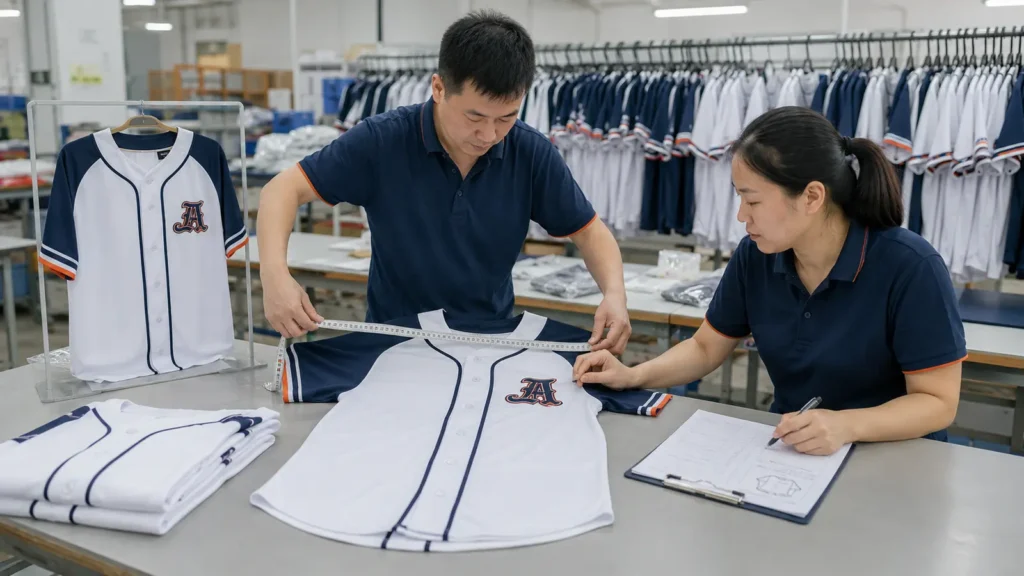
A physical control sample, measurement chart, artwork and roster provide the standard for bulk inspection.
A digital mockup confirms layout intent, but it does not prove fabric color, fit, seam behavior, decoration quality, or wash performance. Use a physical sample before bulk production whenever the order value or design complexity justifies it.
Inspect the sample in this order:
- Overall identity: Does the product match the approved design direction?
- Color: Compare body fabric, trims, thread, prints, patches, pants, and caps under consistent light.
- Measurements: Check the garment against the agreed size specification and tolerance.
- Artwork: Verify spelling, logo version, scale, line quality, and color sequence.
- Placement: Measure names, numbers, chest marks, sleeve marks, and labels from agreed reference points.
- Construction: Review seams, placket, buttons, collar, hems, and reinforcement.
- Wear test: Check movement, layering, comfort, and interaction with playing equipment.
- Care test: Follow the proposed care instruction and inspect color, adhesion, shape, puckering, and surface change.
- Packaging: Confirm size sticker, player identification, barcode, polybag, hangtag, and carton assortment.
- Bulk control sample: Retain one approved sample and signed artwork set as the production reference.
For personalized orders, use a roster sheet with one row per garment. Include player name, number, size, quantity, and any special note. Freeze the roster at a defined date and require written approval for changes.
A Practical Bulk-Order Planning Process
- Define the program: Confirm buyer type, use, quantity, size range, budget position, destination, and deadline.
- Build the identity kit: Collect editable logos, approved colors, lettering, sponsor files, and usage rights.
- Select silhouette and fabric: Compare button-front, two-button, V-neck, and relevant fabric swatches.
- Create production artwork: Map every logo, name, number, panel, trim, and label on front, back, and sleeves.
- Approve mockup and sample: Correct the design before bulk production and keep one controlled approval record.
- Freeze roster and purchase order: Reconcile quantities, sizes, personalization, packaging, and delivery data.
- Inspect bulk production: Use the approved sample, measurement chart, colors, artwork, and roster as standards.
- Plan reorders: Retain references, files, labels, roster format, and product codes for continuity.
What to Send a Supplier for an Accurate Quotation
A useful inquiry contains enough information to prevent assumptions. Send:
- Buyer type and target market
- Intended use: competition, training, retail, event, or fanwear
- Estimated quantity and reorder expectations
- Youth and adult size range
- Preferred jersey construction
- Fabric preference or performance goal
- Vector logo files and reference images
- Color standards or physical samples
- Player-name and number requirements
- Decoration preferences
- Private-label, hangtag, barcode, and packaging requirements
- Sample deadline, bulk deadline, and destination country
- Applicable school, league, or tournament rules
If some details are undecided, label them as open questions. A capable supplier should explain which decisions affect cost, feasibility, and lead time.
Questions to Ask a Custom Baseball Jersey Supplier
- Which fabric and construction do you recommend for our use case, and why?
- What are the minimum artwork sizes and line widths for each decoration method?
- How do you control color across fabric, print, embroidery, patches, and reorders?
- Can you provide a graded measurement chart and tolerances?
- How will artwork be adjusted across youth and adult sizes?
- What does the physical sample include, and how many revision rounds are available?
- How are player names, numbers, and sizes checked against the roster?
- What in-process and final inspections are performed?
- Can private labels, hangtags, barcodes, and team-specific packing be supplied?
- What is the typical MOQ for this exact design structure?
- Which timing assumptions must be confirmed before a delivery date is accepted?
- What files and references will be retained for consistent reorders?
Common Baseball Jersey Design Mistakes
Using too many visual ideas
Gradients, pinstripes, camouflage, multiple outlines, sponsor marks, and sleeve graphics do not all need to appear on one jersey. Choose a hierarchy.
Designing only on a flat front view
Review the back, sleeves, side seams, placket, collar, and tucked appearance. A garment is three-dimensional.
Ignoring number contrast
Numbers must remain readable at game distance. Test the actual color combination and outline structure.
Treating every size identically
Artwork and placement may require controlled grading. Check the smallest and largest garments.
Approving color only on a screen
Screens are useful for direction, not final cross-material color approval. Review physical output when color consistency is important.
Sending raster logos without rights information
Low-resolution artwork slows development and can reproduce poorly. Supply editable files and confirm permission to use every team, school, sponsor, or licensed mark.
Skipping a physical sample
Complex trims, custom colors, new fits, and multiple decoration methods deserve physical approval before bulk production.
Forgetting reorder strategy
Teams change rosters. Confirm how small replenishment orders, color continuity, and archived artwork will be managed.
How JIUMU Supports Custom Baseball Jersey Programs
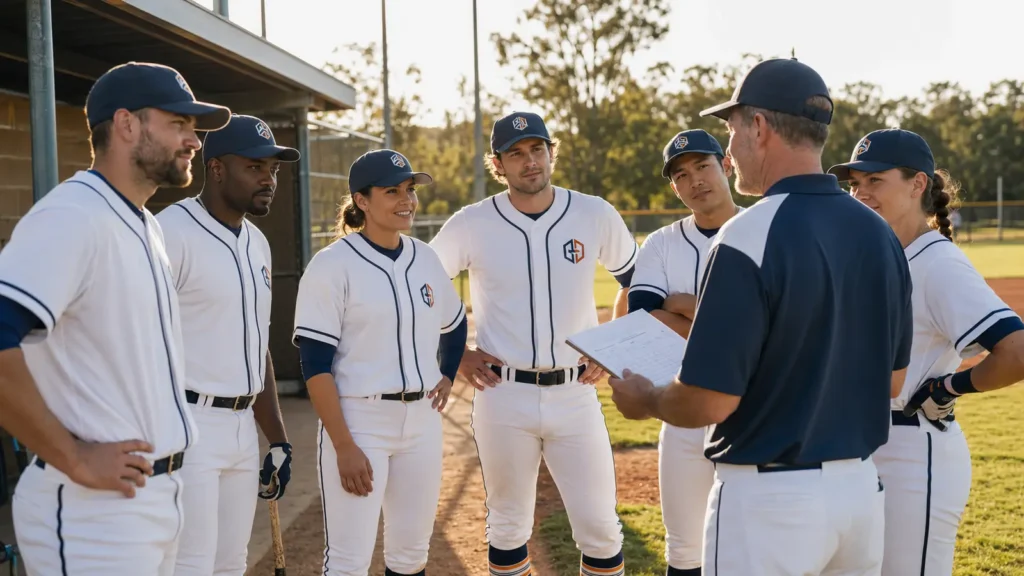
A repeatable jersey system strengthens visual consistency across players, staff and related teamwear.
JIUMU is a Guangdong-based B2B custom teamwear, logo apparel, uniform, hat, bag, and branded-merchandise supplier established in 2010. The company supports schools, teams, clubs, distributors, uniform dealers, promotional buyers, retailers, ecommerce businesses, and private-label brands serving North American and European markets.
Available development capabilities include OEM and ODM support, fabric sourcing, Pantone color matching, digital mockups, physical samples, and customization through sublimation, embroidery, screen printing, heat transfer, and woven, rubber/PVC, or leather-style patches. Private labels, neck labels, hangtags, packaging customization, bulk quality control, and export support can be incorporated into the project specification.
JIUMU’s typical MOQ is 50 pieces, subject to the garment structure and customization. Buyers can also coordinate jerseys with custom team uniforms, custom baseball caps, baseball team uniform packages, jackets, hoodies, and team bags.
Frequently Asked Questions
Final Recommendation
The best baseball jersey design ideas are specific enough to express identity and simple enough to manufacture consistently. Begin with one story, choose a suitable silhouette, control the color palette, protect number readability, and match the decoration method to the fabric and intended use. Then convert the concept into measurable artwork, a graded size plan, a verified roster, and an approved physical sample.
For schools and competitive programs, verify current uniform rules before signing off. For apparel brands and distributors, evaluate the jersey as a complete product—including labels, packaging, size consistency, and repeat-order control.
Ready to develop a custom baseball jersey collection? Send JIUMU your concept, logos, quantity, size range, colors, garment style, personalization list, packaging needs, delivery destination, and target date. Email zhengdong@jiumugear.com, contact WhatsApp/Phone +86 18507502899, or request a custom baseball jersey quotation.
About JIUMU
JIUMU Editorial Team develops practical sourcing guides for custom teamwear, uniforms, hats, bags and branded merchandise. JIUMU was established in 2010 and supports B2B buyers with OEM/ODM development, sampling, customization, quality control and export coordination.