How to Style a Baseball Jersey: Men’s, Women’s and Oversized Outfit Ideas
A baseball jersey can function as team apparel, event merchandise or an everyday layering piece. The difference between an outfit that looks intentional and one that looks like a costume usually comes down to four decisions: fit, proportion, color and context.
This guide explains how to style a baseball jersey for men, women and oversized outfits. It also shows teams, schools, brands, distributors and promotional buyers how garment specifications influence the way a custom jersey will be worn after delivery. That matters because a jersey that works beyond game day can deliver more visibility and more repeat use.
Quick answer: Wear a baseball jersey open over a plain T-shirt for the easiest casual outfit, or button it and pair it with simple bottoms for a cleaner silhouette. Straight jeans, chinos, cargo pants, shorts, midi skirts and fitted base layers all work. With an oversized jersey, balance the extra volume by keeping at least one other part of the outfit controlled—through a fitted top, a visible waist, a shorter bottom or a clean shoe shape. Use no more than two or three dominant colors, and let the jersey remain the focal point.
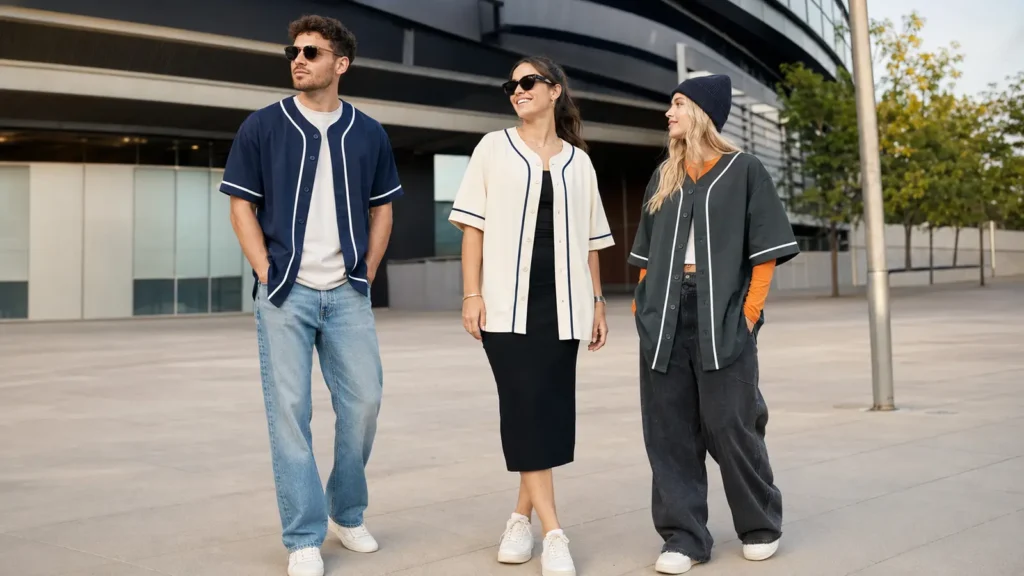
How to Style a Baseball Jersey Outfit Ideas
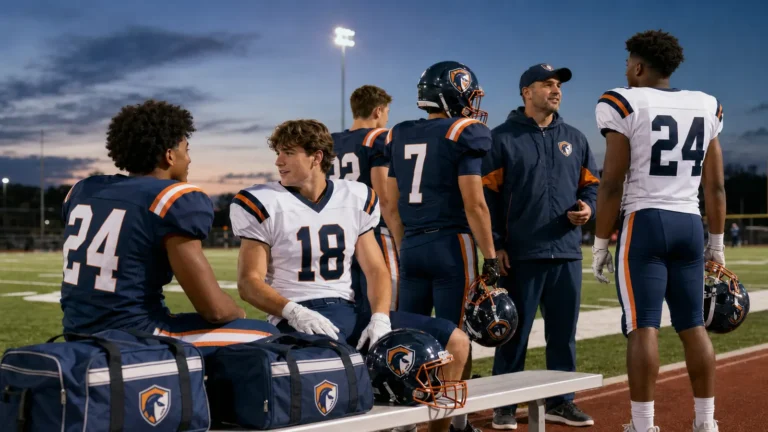
Designing Baseball Jerseys for Game Day and Merchandise
If a jersey will be worn both on the field and casually, define the intended fit, layering allowance, fabric weight, closure, sleeve length, logo scale, player personalization, size range, quantity, and packaging before requesting a quote. Approve the same silhouette and artwork placement across representative sizes.
Explore custom baseball jerseys and baseball team uniform packages, then request a custom jersey quotation with your design brief.
Start With the Fit, Not the Accessories
Before choosing shoes or a cap, decide what role the jersey should play. It can be a shirt, an overshirt, a light jacket or a dress-like statement layer. That choice determines the size, length and garments worn underneath.
A regular-fit baseball jersey should sit comfortably across the chest and upper back without pulling at the buttons. The shoulder seam may sit at the natural shoulder or slightly beyond it for a relaxed look. A deliberately oversized jersey can extend lower and have a wider sleeve, but the wearer should still be able to move naturally without the neckline collapsing or the body twisting.
Published jersey size charts often use body measurements rather than finished-garment measurements. Nike’s current MLB jersey guide, for example, identifies its chart measurements as body measurements. That distinction is important: a buyer comparing custom samples should request the actual garment chest, body length, shoulder and sleeve measurements, not rely only on an S–XXL label. See the Nike MLB jersey size guide for a useful example of how branded jersey sizing is communicated.
| Desired look | Jersey fit | Best base layer | Bottoms that usually work | Styling objective |
|---|---|---|---|---|
| Clean everyday casual | Regular or relaxed | Plain crew-neck T-shirt | Straight jeans or chinos | Keep the silhouette easy and balanced |
| Game-day fan outfit | Regular or relaxed | T-shirt, tank or lightweight hoodie | Jeans, shorts or casual skirt | Prioritize comfort and team colors |
| Contemporary streetwear | Oversized | Fitted tee or long sleeve | Wide trousers, cargos or bike shorts | Make volume look deliberate |
| Polished sport-inspired | Regular or slightly fitted | Minimal tank or fitted tee | Tailored trousers or midi skirt | Contrast athletic details with refined pieces |
| Cool-weather layered | Relaxed with room | Hoodie, thermal or long sleeve | Denim or cargo pants | Leave enough ease for comfortable layering |
| Jersey-as-dress look | Long oversized cut | Shorts or fitted base layer | Minimal or hidden underlayer | Preserve coverage and control proportions |
A simple fit test
Button the jersey and raise both arms. Check whether the placket pulls, the hem lifts excessively or the shoulders restrict movement. Then wear it open over the intended base layer. If the front edges flare too far apart, the jersey may be too small for layering. If the neckline falls away from the body and the sleeves swallow the hands, the chosen size may be larger than the design can support.
If a measurement falls between sizes, a smaller size generally creates a closer fit while a larger size creates more ease. Nike gives similar general fit guidance in its men’s tops size chart. For custom programs, however, the approved measurement chart and physical sample should remain the final reference.
How to Style a Baseball Jersey for Men
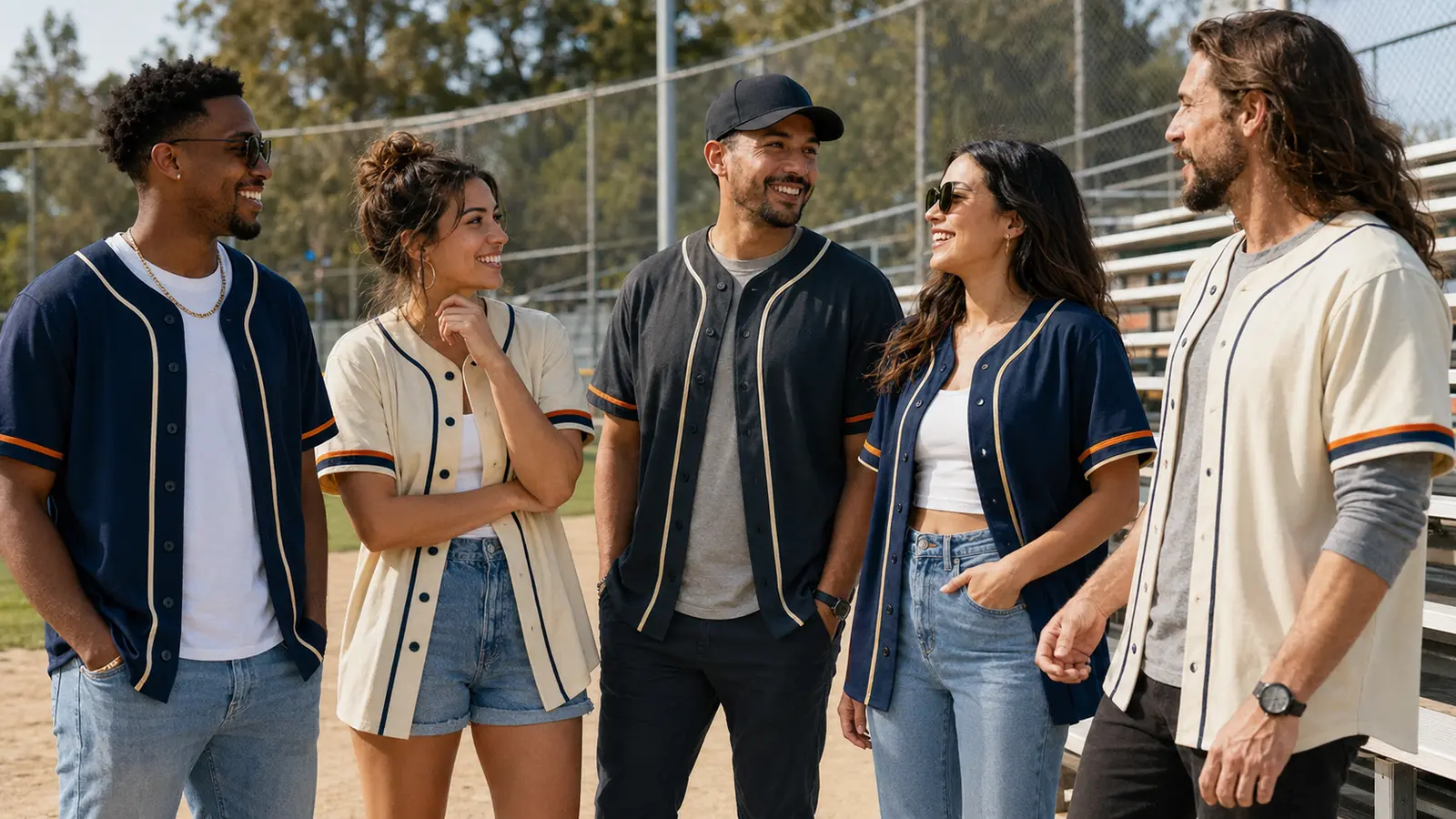
The most reliable men’s baseball jersey outfits use familiar menswear pieces and allow the jersey’s piping, buttons and logo placement to add the visual interest.
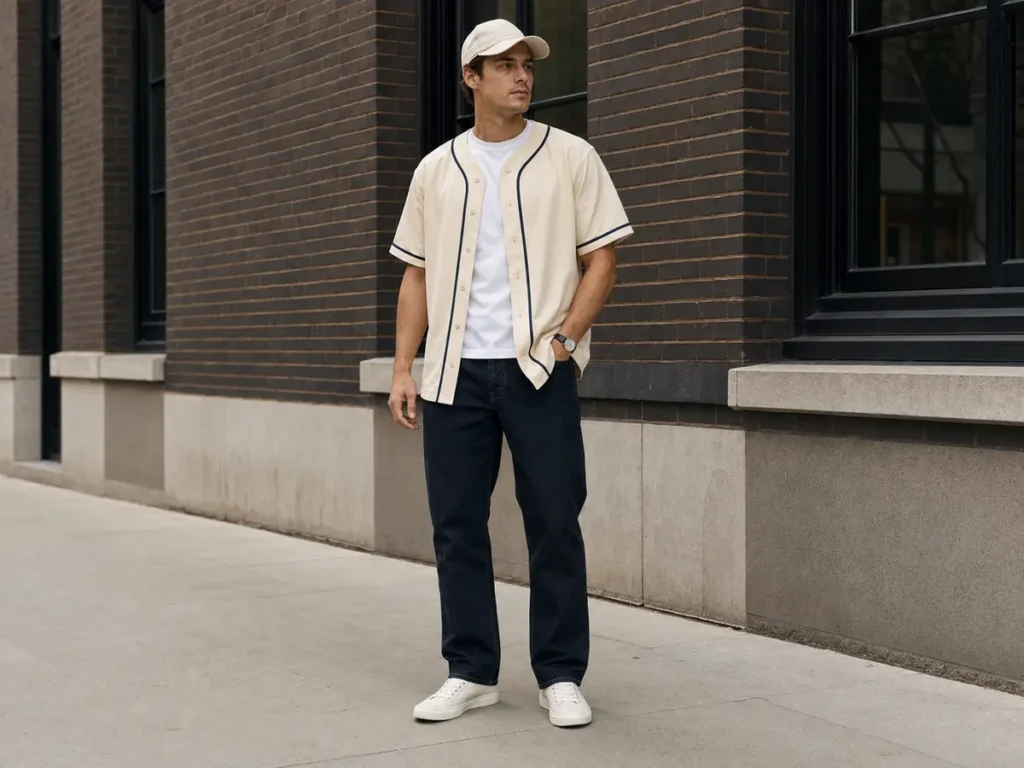
Men’s Baseball Jersey Outfit
1. Open jersey, white T-shirt and straight jeans
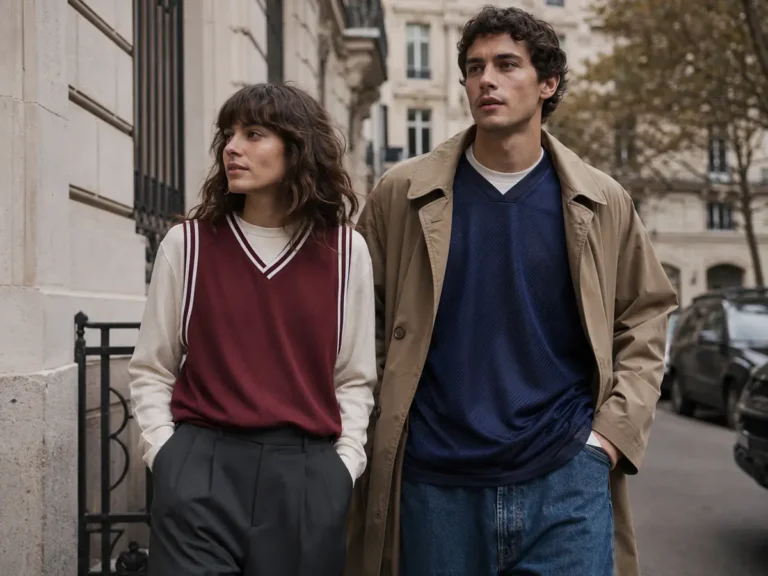
This is the easiest formula to repeat. Wear the jersey unbuttoned over a heavyweight white or off-white T-shirt. Choose straight or relaxed jeans rather than extremely skinny denim, which can make a roomy jersey feel top-heavy. Finish with low-profile sneakers.
The base layer should be long enough to remain tucked or lie flat, but not so long that three competing hems are visible. If the jersey contains several colors, use one of its neutral shades for the T-shirt and footwear.
2. Buttoned jersey with dark trousers
Button the jersey and treat it like a casual short-sleeve shirt. Pair it with charcoal, navy or black trousers and keep accessories restrained. This works especially well with a jersey that has a clean chest mark, tonal embroidery or narrow contrast piping.
Leave the top one or two buttons open if the neckline feels too formal when fully closed. A plain tank or crew-neck tee underneath prevents the look from feeling unfinished.
3. Jersey with cargo pants
Cargo pants support the utilitarian character of sportswear, but the pockets and jersey graphics should not compete. Use a solid-color or two-color jersey with olive, black, sand or charcoal cargos. Choose a straight or gently tapered leg and keep the shoe relatively simple.
4. Jersey with shorts for warm weather
For stadiums, travel, summer events and casual weekends, combine a relaxed jersey with clean chino, nylon or denim shorts. A hem that finishes around the knee is usually easier to balance than an extra-long short when the jersey is already oversized.
Wear the jersey open if the outfit needs airflow and movement. Wear it buttoned if the shorts are relaxed and the upper body needs more definition.
5. Jersey under a workwear or bomber jacket
A baseball jersey can act as the middle layer between a T-shirt and an unlined jacket. Keep the outer jacket slightly longer than the jersey or approximately equal in length. If the jersey extends far below the jacket, the stacked hems may appear accidental.
Use a low-profile chest decoration so the jersey does not feel bulky under the jacket. Embroidery density, patch thickness and placket construction matter here, especially for custom merchandise intended for multi-season wear.
How to Style a Baseball Jersey for Women
Women’s baseball jersey outfits do not require a women-only silhouette. A regular unisex jersey can look polished when the rest of the outfit creates a defined proportion. Buyers planning a mixed-gender program should consider offering both a straighter unisex fit and a shaped option if the order quantity and size demand support it.
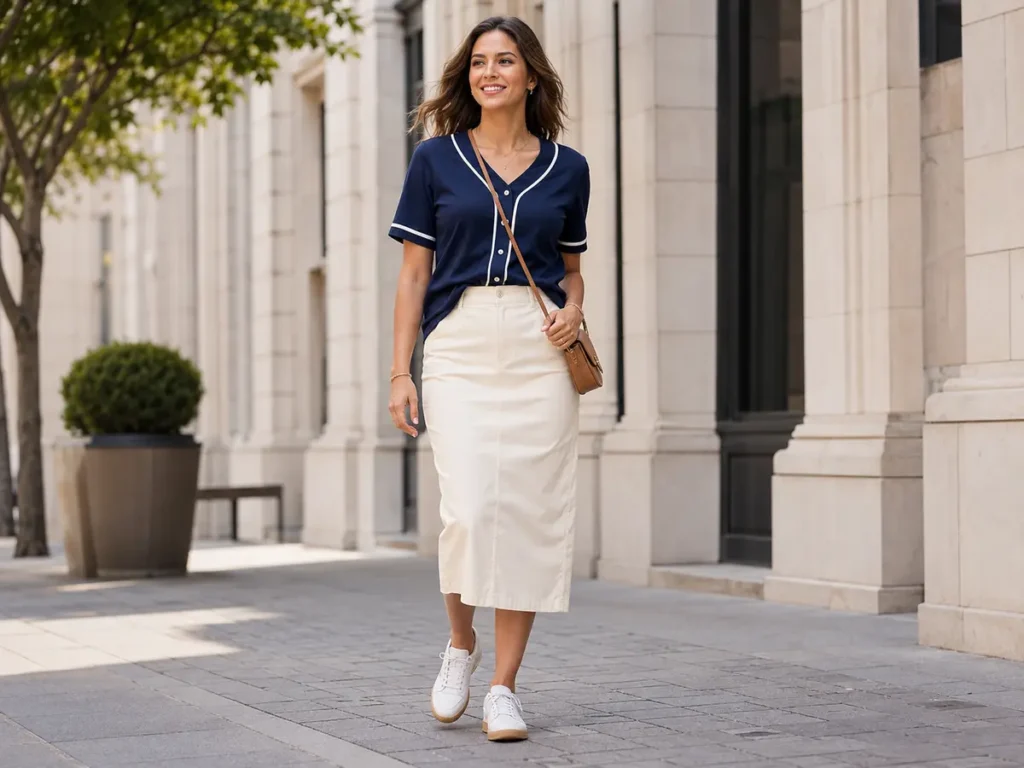
Women’s Baseball Jersey Outfit
6. Baseball jersey with a midi skirt
Pair a regular or slightly relaxed jersey with a high-waisted straight, pleated or softly flared midi skirt. Button the jersey and use a small front tuck, or wear it open over a fitted tank. Sneakers keep the look casual; boots or loafers make the contrast more polished.
This sport-and-skirt formula remains visible in recent fashion coverage, including an InStyle example pairing an oversized sports jersey with a fitted midi skirt. The transferable lesson is proportion: one voluminous or athletic piece becomes easier to style when the other major piece has a clear line.
7. Jersey with high-waisted jeans
High-waisted straight or wide-leg jeans create a defined midpoint under a boxy jersey. Wear the jersey open with a fitted tank, or fasten the lower buttons and leave the top open. A small front tuck is possible with a lightweight jersey, but avoid forcing a heavy placket into tight denim.
8. Jersey with bike shorts
Bike shorts create a streamlined base for a long, oversized jersey. The shorts should remain visible enough to make the outfit look intentional. Add crew socks and sneakers, and keep the base layer opaque and secure for movement.
This formula works well for travel, concerts and casual events. For buyers, it also highlights why finished jersey length must be evaluated on different body heights during sample approval.
9. Jersey over a fitted dress
An open baseball jersey can function like a short-sleeve overshirt over a simple ribbed or jersey-knit dress. The dress should have minimal surface detail so the placket, piping and decoration remain clear. Match one color from the jersey to the shoes or bag rather than trying to repeat every team color.
10. Cropped visual proportion without cutting the garment
To create a shorter visual line, button the middle of a lightweight jersey and use a controlled fold or small front tuck. Another option is to wear a cropped base layer with the jersey open and high-waisted bottoms. This preserves the finished garment and avoids uneven DIY alterations.
For custom programs, a purpose-designed cropped body is preferable to asking users to modify a standard jersey. The pattern, button spacing, hem curve and decoration placement can all be adjusted together.
How to Style an Oversized Baseball Jersey
Oversized does not simply mean buying the largest available size. A well-designed oversized silhouette has intentional shoulder placement, body width, sleeve opening and length. Sizing up several grades can also enlarge the neck opening, drop the chest logo too low and create excess fabric around the armhole.
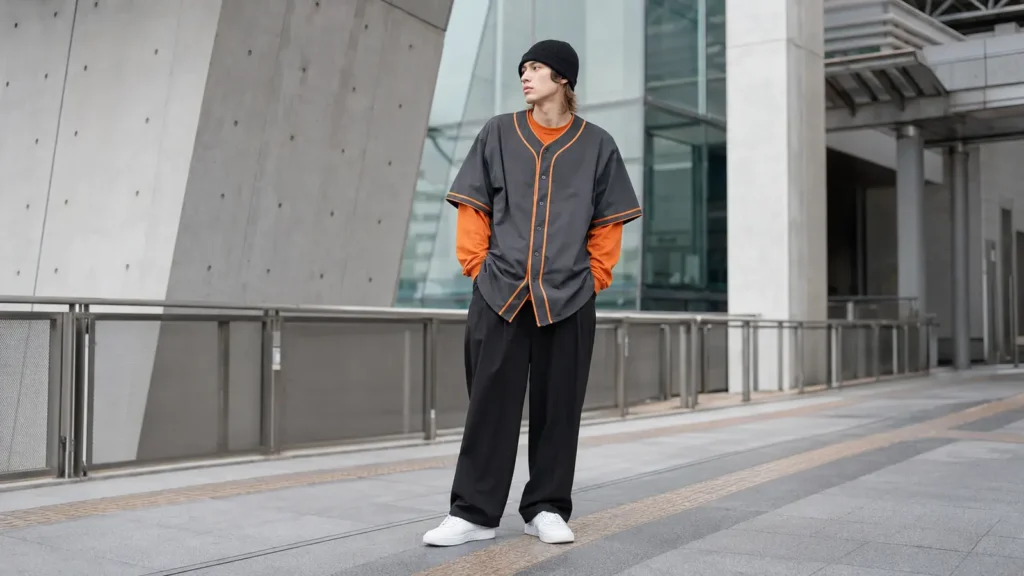
Oversized Baseball Jersey Streetwear Outfit
11. Oversized jersey with wide-leg trousers
Volume on volume can work when the outfit has structure. Use trousers with a clean waistband and straight vertical drape. Keep the base layer fitted and choose shoes with a clear silhouette. The jersey can remain open to create two vertical lines through the torso.
12. Oversized jersey with slim or fitted bottoms
For the simplest balance, pair the jersey with slim jeans, leggings or bike shorts. The contrast makes the jersey’s size feel deliberate. Avoid an extremely long T-shirt underneath unless the layered hems are part of the intended streetwear look.
13. Oversized jersey as a dress
Choose a jersey with enough finished length and coverage for the wearer’s height. Add fitted shorts underneath, especially for movement and seated comfort. Boots can create a stronger fashion look, while sneakers keep it casual.
Do not assume a standard unisex XL will function consistently as a dress across sizes. A dedicated longline pattern offers better control of side openings, hem curve, button spacing and chest decoration position.
14. Oversized jersey over a hoodie
The hoodie should be light to midweight and the jersey should have sufficient armhole and chest ease. Keep the hood outside the jersey neckline and smooth the sleeves so they do not bunch. Pair with straight cargos or relaxed denim.
Adidas offers a comparable general styling principle in its guide to styling soccer jerseys: oversized jerseys can support a streetwear look, while regular or fitted jerseys can be tucked or paired with more polished bottoms. The sport differs, but the proportion logic applies.
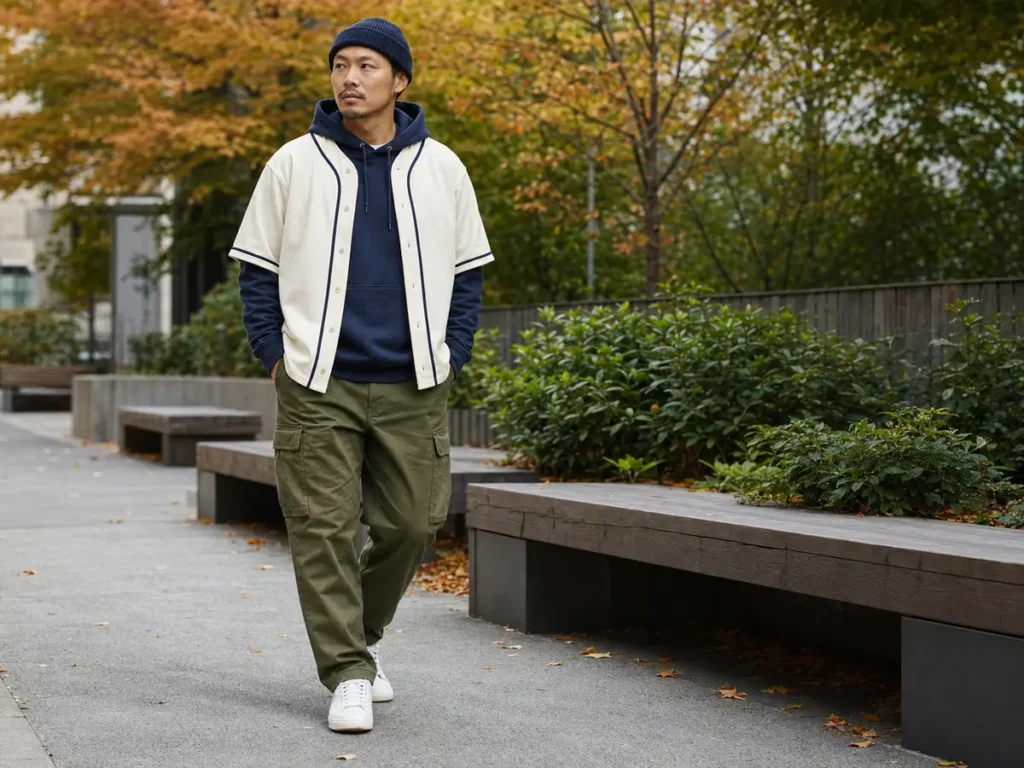
Layered Baseball Jersey and Hoodie Outfit
What Should You Wear Under a Baseball Jersey?
The underlayer controls comfort, opacity, temperature and the overall level of formality.
| Underlayer | Best use | Fit recommendation | Watch for |
|---|---|---|---|
| Plain crew-neck T-shirt | Everyday casual and events | Regular or slightly fitted | Neckline competing with jersey piping |
| Tank or fitted tee | Warm weather and women’s outfits | Close but comfortable | Visible straps or unintended transparency |
| Long-sleeve tee | Transitional weather and streetwear | Fitted through sleeves | Sleeve colors overwhelming the jersey |
| Hoodie | Cool weather and travel | Light to midweight | Tight armholes and bulky neckline |
| Thermal top | Outdoor events | Close-fitting | Texture showing through lightweight fabric |
| Nothing beyond a base undergarment | Buttoned shirt-like styling | Depends on fabric opacity | Irritation from seams, labels or dense decoration |
White, gray, black, navy and cream are dependable base-layer colors. A contrasting color can work when it repeats a small part of the jersey—such as piping or sleeve trim. For a jersey with a large embroidered or patched chest, keep the underlayer visually quiet.
Shoes, Hats and Accessories That Complete the Outfit
Shoes should support the level of polish rather than compete with the jersey.
- Low-profile sneakers work with almost every regular-fit outfit.
- Chunkier sneakers support oversized streetwear when the trousers are wide enough to balance them.
- Loafers add contrast to a clean jersey-and-trouser combination.
- Ankle or combat boots give skirts, bike shorts and jersey-dress outfits more visual weight.
- Minimal sandals can work with warm-weather women’s outfits when the jersey fabric feels light and casual.
A baseball cap is an obvious companion, but matching every logo and color can look overly uniform away from a game. Use a blank, tonal or small-logo cap when the jersey already has a strong graphic. A beanie works with layered or oversized outfits in cooler weather.
Choose one main accessory: a small crossbody bag, structured tote, watch, simple chain or sunglasses. If the jersey includes piping, sleeve stripes, a chest logo, player name and back number, it already carries more visual information than a plain shirt.
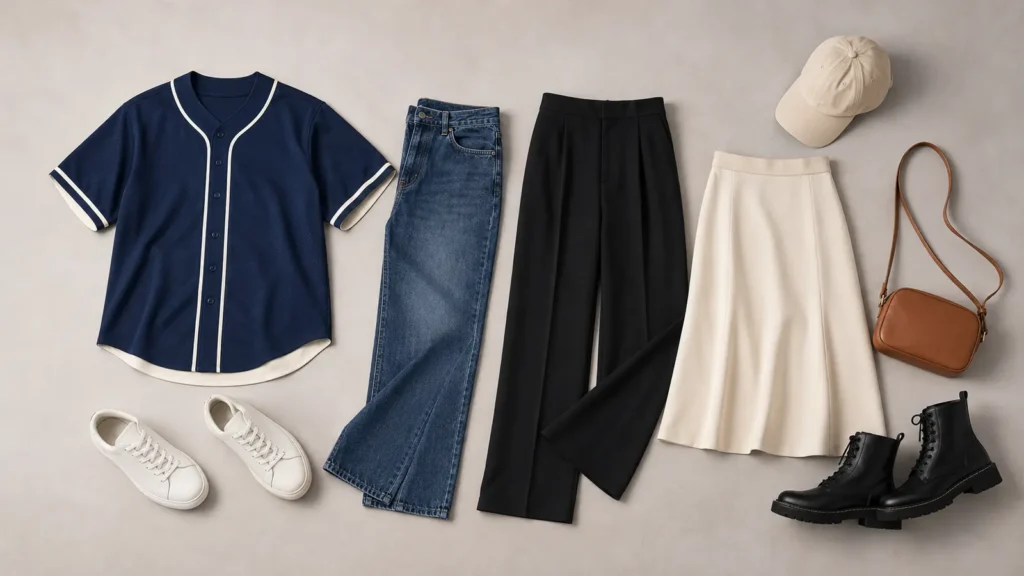
Baseball Jersey Outfit Color and Accessories
Color Matching Without Looking Over-Styled
Start with the jersey’s dominant color, secondary color and accent. Build the outfit with the first two; use the accent only once more if needed.
For example, a navy jersey with cream piping and a small orange accent can pair with cream trousers, white sneakers and a tan bag. It does not require orange shoes, an orange cap and orange socks. Repetition should create cohesion, not a costume.
Monochrome outfits are another option. Wear a black jersey with charcoal trousers and a black base layer, allowing texture and piping to define the layers. Light jerseys work well with washed denim, cream, stone and olive. Bright team colors become easier to wear with neutral bottoms.
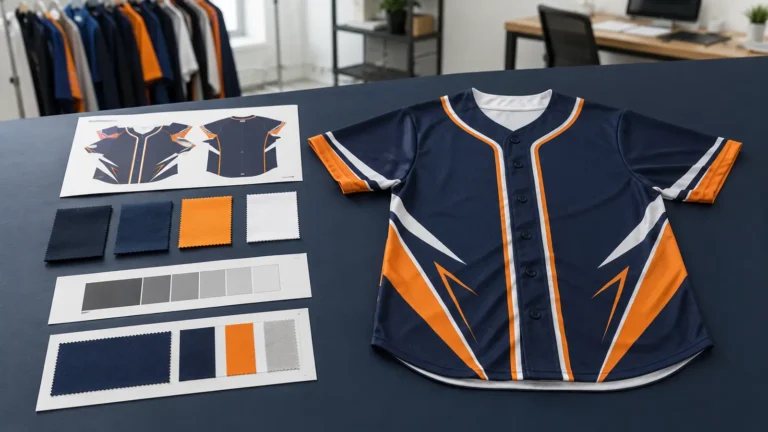
For custom jersey buyers, color decisions should be made under consistent lighting and approved against a physical sample when exact matching matters. Screen color, dyed fabric, sublimation, embroidery thread and patch materials may represent the same color differently.
How Styling Goals Translate Into Custom Jersey Specifications
For a team, brand or promotional buyer, “make it stylish” is not a complete specification. Translate the desired outfit into measurable product decisions.
| Styling goal | Product decision | What to approve on the sample |
|---|---|---|
| Open overshirt look | Stable placket, clean inside finish, suitable body length | Front hangs evenly when unbuttoned |
| Tucked or polished look | Lighter fabric, controlled hem volume | Placket and hem do not create excess bulk |
| Oversized streetwear | Purpose-built wide pattern and graded length | Neck, shoulder, sleeve and logo position remain balanced |
| Hoodie layering | Added chest and armhole ease | Movement, sleeve comfort and neckline fit |
| Women’s shaped option | Separate pattern or adjusted waist/hip shaping | Fit across bust, waist and hip on target bodies |
| Jersey-dress silhouette | Longline pattern and safe side openings | Coverage during walking, sitting and raising arms |
| Retail or event merchandise | Broad size range and wearable colorway | Consistency across the smallest and largest sizes |
Fabric and construction
Lightweight polyester can support sublimated graphics and warm-weather use. Mesh zones may improve airflow but can alter opacity, print appearance and decoration stability. Heavier double-knit or structured fabrics create a more substantial silhouette but may feel warmer and bulkier when tucked or layered.
Ask for fabric weight, composition, stretch behavior, hand feel and opacity. Review whether the fabric snags easily and whether white or light colors require a lining or different base layer.
Inspect the neckline, placket, buttons, piping joins, shoulder seams and hem curve. A lifestyle-oriented jersey must look clean both buttoned and open. The reverse side of embroidery or patches should not create unacceptable irritation when the jersey is worn over a thin base layer.
Decoration and private labeling
Embroidery creates texture and a premium visual effect, but dense or oversized embroidery can stiffen lightweight fabric. Sublimation integrates color into compatible polyester fabric and supports all-over graphics. Heat transfer can handle names, numbers and smaller runs, subject to the selected material and care process. Woven, rubber/PVC and leather-style patches create different thicknesses and edge profiles.
The logo method should match the styling goal, order quantity, fabric and required care performance. Buyers should also define player names, numbers, sleeve marks, woven labels, neck labels, hangtags and packaging before sample approval.
Planning a custom program? Send JIUMU your reference image or tech pack, intended fit, quantity by size, colors, logo files, decoration method, packaging needs and target delivery date. JIUMU can review the concept for an OEM/ODM custom team jersey quotation.
Sample Approval and Quality-Control Checklist
A digital mockup confirms artwork direction, but it cannot validate physical fit, fabric hand, opacity, seam comfort or actual color. Approve a physical sample when those details are commercially important.
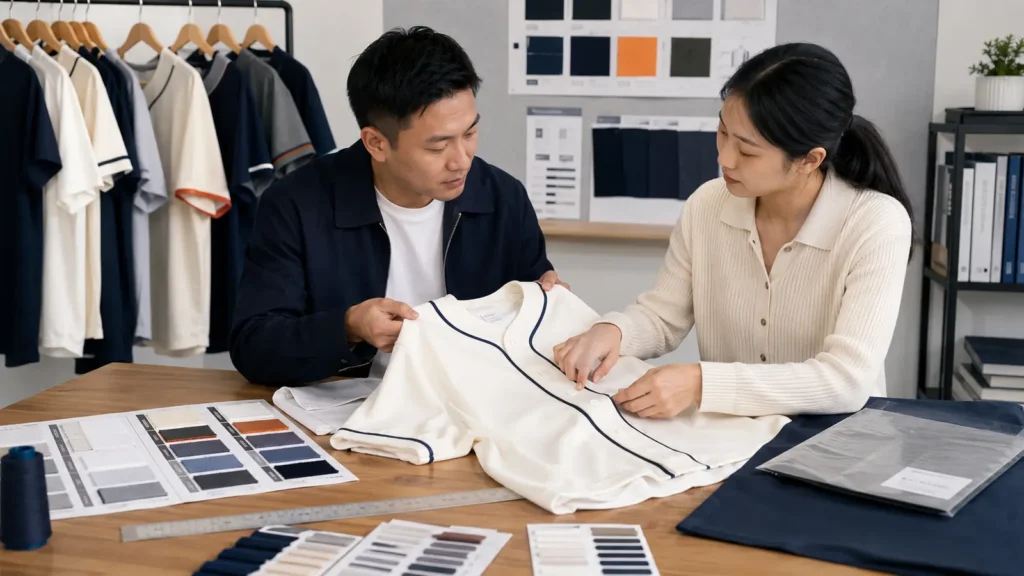
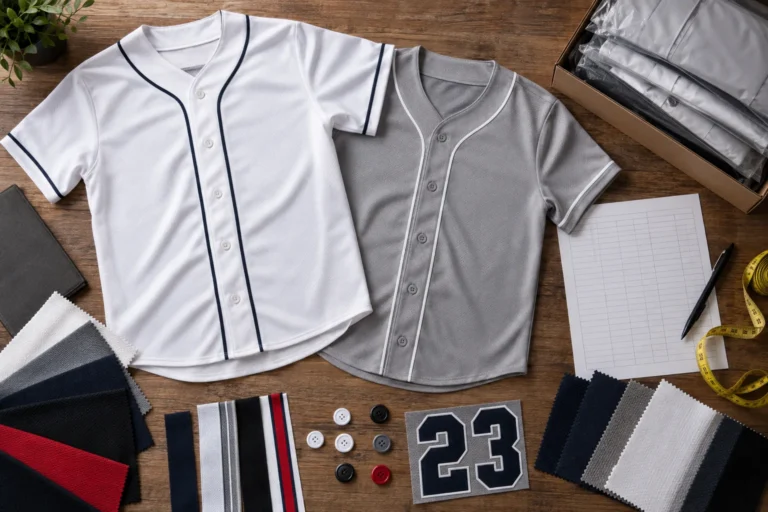
Custom Baseball Jersey Sample Review
Use this checklist:
- Measurements: Compare chest, body length, shoulder, sleeve length, sleeve opening and hem width with the approved specification.
- Fit on target users: Test the jersey buttoned, open and over the intended base layer.
- Size grading: Review more than one size when a wide range or oversized silhouette is important.
- Fabric: Confirm composition, weight, stretch, opacity, drape and surface feel.
- Color: Compare fabric, sublimation, thread, piping, buttons and patches under consistent light.
- Artwork placement: Measure the chest logo, sleeve marks, back name and number from fixed reference points.
- Construction: Inspect seam alignment, placket stability, button attachment, piping joins and hem shape.
- Wear comfort: Check labels, embroidery backing and patch edges against the body or base layer.
- Care review: Confirm the care instructions match the fabric and decoration combination.
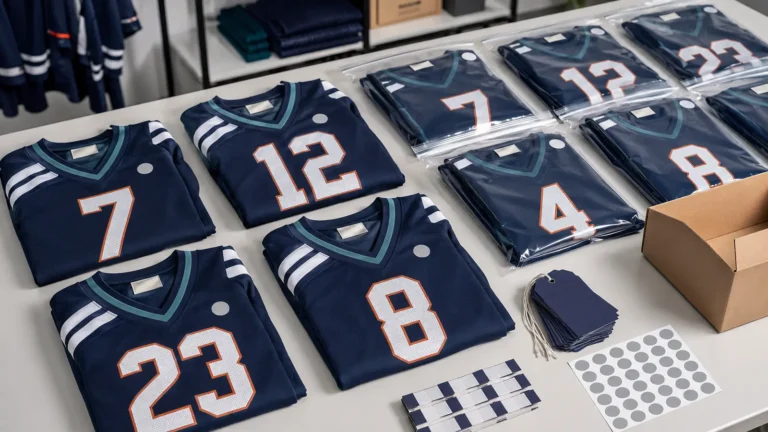
- Packaging: Verify folding, size stickers, individual bags, carton assortment and any private-label elements.
Record approvals in writing. Keep a sealed or signed reference sample when repeat-order consistency is important.
Bulk-Order Planning: What to Send for an Accurate Quote
An actionable inquiry reduces assumptions and shortens the development cycle. Send:
- Product reference, drawing or tech pack
- Intended use: game uniform, fanwear, retail merchandise, staff apparel or event giveaway
- Regular, relaxed, women’s shaped, oversized or longline fit
- Quantity by style, color and size
- Target market and target wearer
- Fabric preference or performance requirement
- Pantone references or physical color standard where applicable
- Vector logo artwork and all decoration placements
- Player names, numbers or personalization data
- Private labels, hangtags and packaging requirements
- Required sample type and approval process
- Delivery destination and target date
JIUMU’s typical MOQ is 50 pieces, subject to product structure and customization. Complex personalization, multiple colorways, special materials or extensive size ranges may affect feasibility, sample work and quotation.
Common Baseball Jersey Styling and Buying Mistakes
Choosing a size label instead of checking measurements
“Large” is not a universal dimension. Compare the finished garment specification and allow for the intended base layer.
Making every item match exactly
A jersey, cap, pants, shoes and bag in the same bright colors can overwhelm the wearer. Use neutrals to give team colors room.
Treating oversized as uncontrolled grading
Simply scaling every measurement upward can damage the neckline, logo position and sleeve proportion. Specify the desired oversized silhouette.
Ignoring the open-front view
Many people wear baseball jerseys unbuttoned. Review placket alignment, inside finishing and decoration balance in that position.
Using decoration that is too heavy for the fabric
Dense embroidery or thick patches can distort lightweight material. Approve the actual fabric-and-decoration combination.
Ordering one fit for every audience without testing
A unisex regular fit can serve many programs, but a retail collection may benefit from additional shaped, oversized or longline options. Let target-user data guide the assortment.
Approving only the sample size
A medium sample does not prove that XS and 4XL will retain the same visual balance. Review grading rules and critical artwork positions across the range.
Why JIUMU Is Relevant to Custom Baseball Jersey Programs
Established in 2010 in Guangdong, China, JIUMU supplies custom teamwear, logo apparel, hats, bags and branded merchandise for B2B buyers in North America and Europe. Relevant capabilities include OEM and ODM product development, sublimation, embroidery, screen printing, heat transfer, patch applications, fabric sourcing, Pantone color matching, private labels, packaging customization, digital mockups, physical samples, bulk production, quality control and export support. Buyers can review the JIUMU company facts and verification and certificate records before supplier qualification.
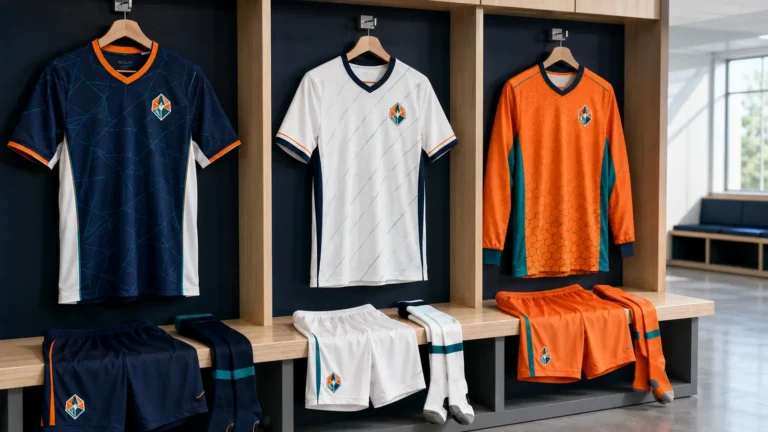
That range supports more than a single jersey. Buyers can develop custom baseball jerseys and coordinate them with custom team jerseys, custom team uniforms, custom baseball caps, custom team jackets and baseball team uniform packages.
The best project brief connects the garment specification with the way people will actually wear it. A team may prioritize on-field function and names and numbers. A school or event may need inclusive sizing and organized distribution. A streetwear or private-label brand may care more about body width, sleeve proportion, custom labels and retail packaging. These are different products even when all are called baseball jerseys.
Frequently Asked Questions
Final Recommendation
The most useful answer to how to style a baseball jersey is to choose the silhouette first and build around it. A regular jersey works as a shirt or overshirt. A shaped or lightly tucked jersey supports polished women’s outfits. An oversized jersey needs deliberate length, shoulder and sleeve proportions, plus a controlled base layer or bottom.
For B2B buyers, the same principle becomes a product-development rule: define how the jersey should be worn before approving the pattern, fabric and decoration. Test it buttoned, open, layered and across the required size range. Then record the approved measurements, artwork positions, colors and packaging so bulk production has a clear reference.
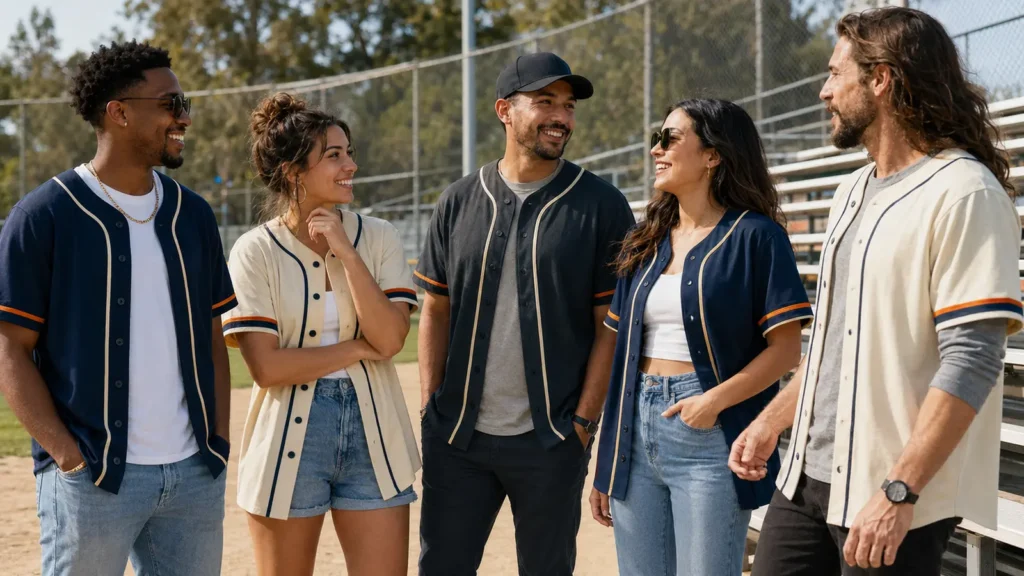
Custom Baseball Jerseys for Event Merchandise
Request a custom baseball jersey quotation: Share your reference image, tech pack or product concept with JIUMU. Include quantity, sizes, colors, logo method, personalization, labels, packaging, delivery destination and target date. Contact JIUMU by online inquiry, WhatsApp/phone at +86 18507502899, or email zhengdong@jiumugear.com.
Editorial Sources
- Nike: MLB Jerseys Size Guide
- Nike: Men’s Tops Size and Fit Guide
- Adidas: How to Style a Soccer Jersey
- InStyle: Jersey-and-Skirt Outfit Formula
About JIUMU
Established in 2010 in Guangdong, China, JIUMU supplies custom teamwear, logo apparel, hats, bags and branded merchandise for professional buyers in North America and Europe.