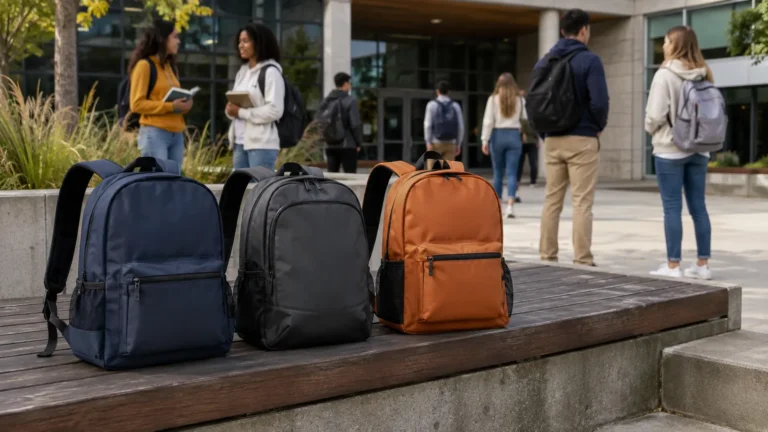
Best Sports and Team Backpacks for Students
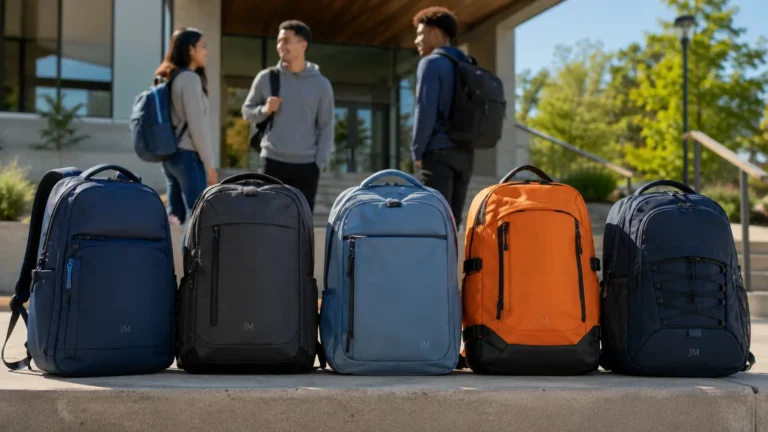
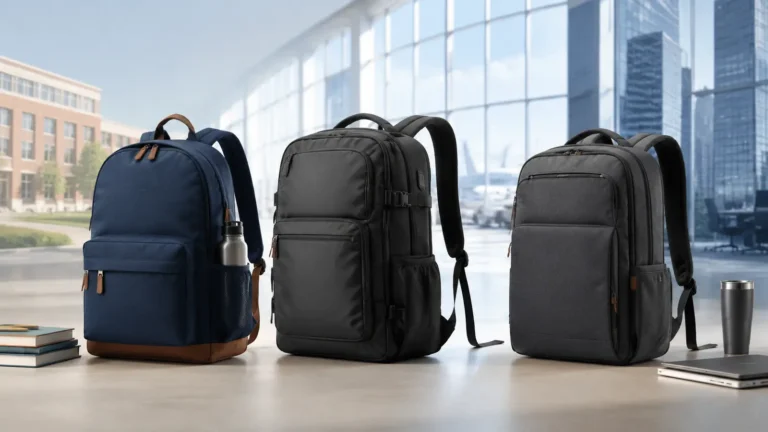
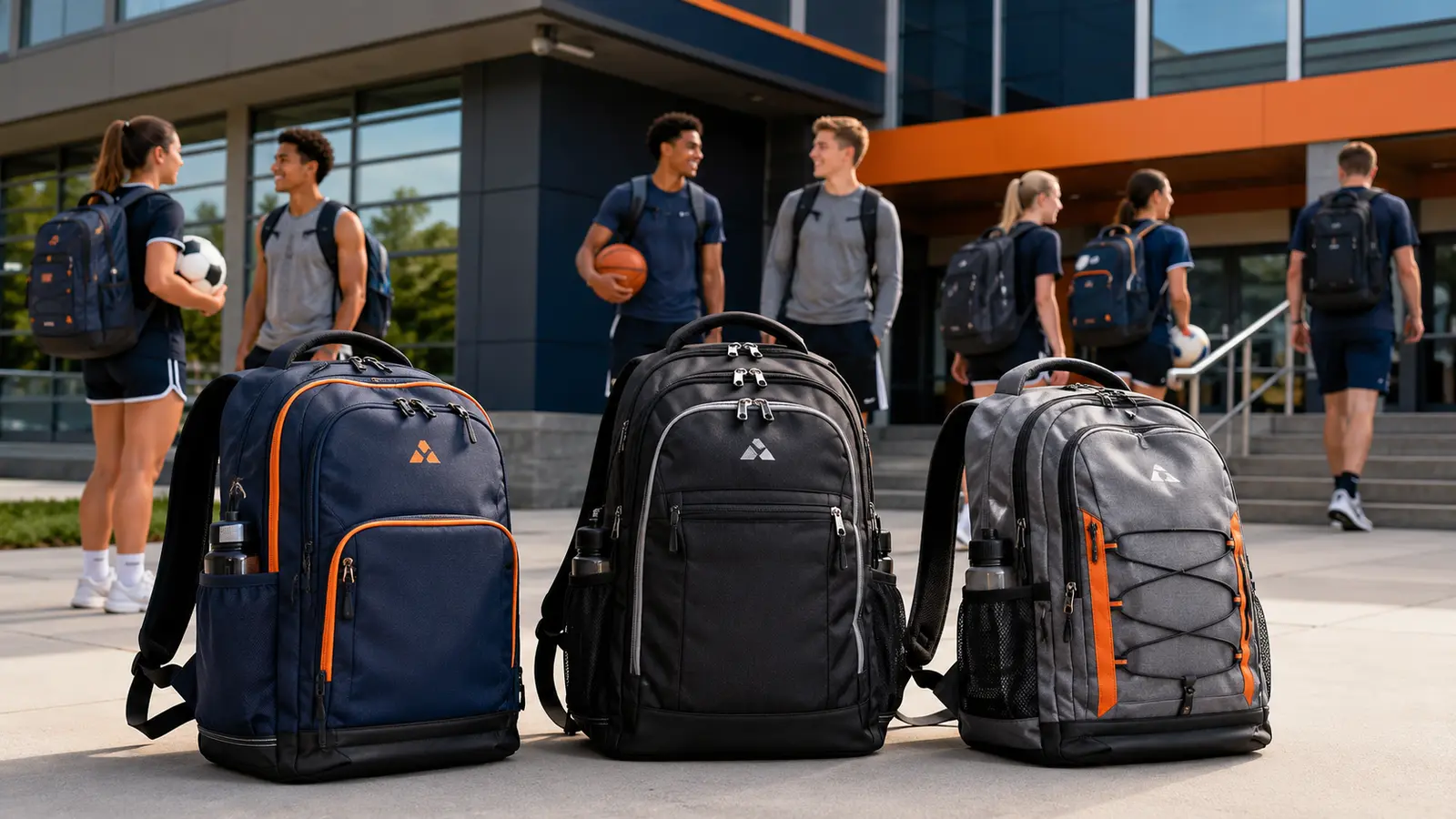
Schools, athletic departments, clubs, academies, uniform dealers, and promotional distributors need more from a student backpack than an attractive front panel. The bag must carry books and electronics during the school day, organize practice gear after class, display team identity consistently, and survive repeated handling across a season. A good buying decision therefore begins with use cases and specifications—not with a generic catalog photo.
This guide explains how professional buyers can compare the best sports and team backpacks for students, choose suitable materials and capacity, plan customization, control quality, and prepare a precise bulk-order request. “Best” does not mean one universal model. It means the backpack is correctly matched to the students, sport, load, budget, branding, and distribution plan.
Quick Answer: For most school and multi-sport programs, the best student team backpack is a balanced 22–30 L design with two main compartments, padded adjustable shoulder straps, a structured back panel, bottle storage, reinforced stress points, and a decoration area sized for the team logo. Programs carrying shoes, balls, bats, helmets, or wet gear should select a sport-specific configuration instead. Approve a physical sample with an agreed load test and written inspection criteria before bulk production.
Why the Backpack Decision Matters to a School or Team
A team backpack is both equipment and a visible part of the program. If it is too small, students hang shoes or garments from the zippers. If it is too large, the bag becomes bulky and is easily overloaded. Weak strap attachments, narrow openings, poor zipper access, and unprotected interior seams can create complaints even when the face fabric looks substantial.
For a buyer, the decision affects several operational outcomes:
- Student use: organization, carrying comfort, and access to frequently used items.
- Team presentation: consistent colors, logo placement, names, numbers, and optional staff identification.
- Program administration: size distribution, roster changes, issue tracking, storage, and replacement orders.
- Commercial performance: landed cost, decoration complexity, packaging volume, defect risk, and repeat-order consistency.
- Brand protection: accurate artwork, approved colors, correct labeling, and appropriate market compliance documentation.
The buyer should define which outcome has priority. A middle-school physical education program, a varsity baseball team, and a college esports club may all request a “team backpack,” but their load lists and durability risks differ significantly.
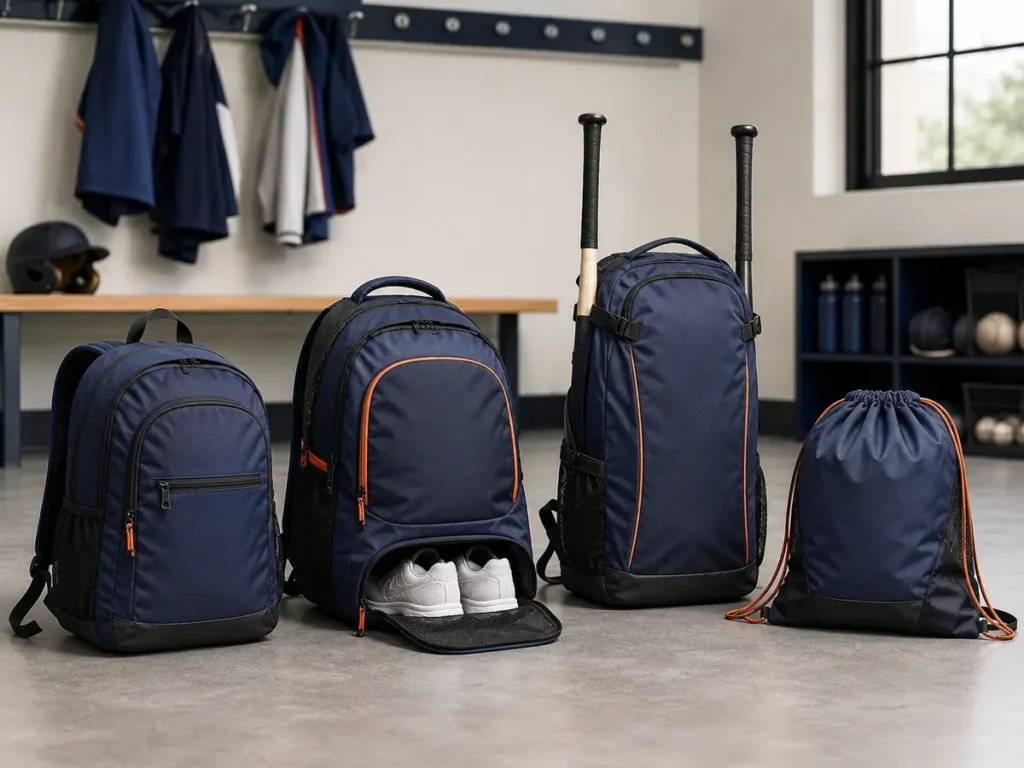
Sports and Team Backpack Comparison
The following table is a sourcing framework rather than a fixed industry classification. Capacities are planning ranges; the final usable volume depends on bag shape, padding, pocket construction, and how the supplier measures capacity.
| Backpack type | Practical planning range | Best suited to | Important features | Main trade-off |
|---|---|---|---|---|
| Everyday school-team backpack | 20–28 L | General school use, clubs, staff merchandise | Book compartment, laptop sleeve, bottle pockets, organizer | Limited space for bulky equipment |
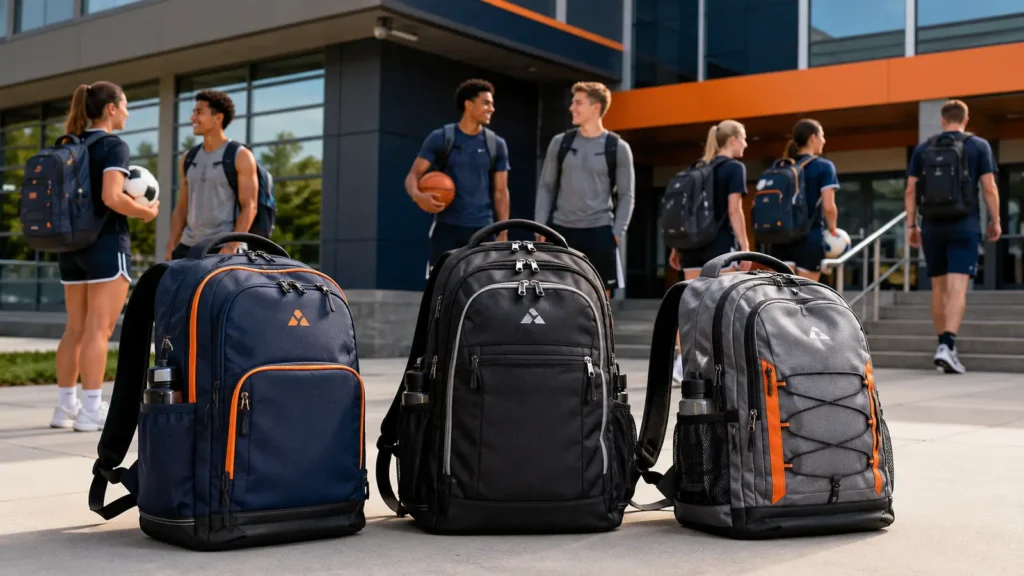
| Multi-sport athlete backpack | 25–35 L | School teams, academies, tournament programs | Wide opening, shoe or wet-item separation, reinforced base | Larger packed profile |
| Baseball or softball bat pack | 25–40 L | Diamond-sport teams | External bat sleeves, helmet-compatible opening, fence hook option | Sport-specific silhouette |
| Basketball or volleyball backpack | 28–40 L | Court teams | Ball-carry solution, tall main compartment, shoe storage | Ball pocket can reduce internal space |
| Swim or aquatic team backpack | 30–45 L | Swim teams and water sports | Ventilated compartments, drainage strategy, coated lining | Ventilation and water resistance must be balanced |
| Compact training bag | 10–20 L | PE kits, event giveaways, light practice | Simple opening, low unit weight, economical decoration | Less structure and protection |
| Travel-oriented team backpack | 30–45 L | Away games and tournament travel | Document pocket, device sleeve, luggage pass-through option | Higher material and construction cost |
Translate Features Into Procurement Decisions
Feature lists are useful only when they answer a purchasing question. A shoe compartment, for example, is not automatically beneficial. It consumes space and adds seams, zippers, lining, labor, and inspection points. It is valuable when students routinely carry footwear and the program wants separation from books or clean apparel.
Use this translation method:
| Requested feature | Ask why it is needed | Specification to confirm | Buyer decision |
|---|---|---|---|
| Laptop sleeve | Are devices issued to students? | Device dimensions, padding, closure, position above base | Include only if it fits the actual device |
| Shoe compartment | Are shoes carried daily? | Maximum shoe size, ventilation, cleanability, space interaction | Add for frequent use; omit for light programs |
| Water-resistant fabric | Will bags face rain or wet fields? | Face fabric, coating, seam exposure, zipper design | Define performance; do not call the whole bag waterproof without testing |
| Reinforced base | Are bags placed on courts, buses, or wet ground? | Base material, coating, seam placement, abrasion plan | Prioritize for travel and outdoor sports |
| Individual names | Is roster assignment stable? | Decoration method, name format, approval workflow | Useful for issue control; complicates reallocation |
| Reflective detail | Do students walk in low light? | Placement, visible area, performance requirement | Treat as a defined safety-related component, not decoration alone |
Choose Capacity From a Real Load List
Avoid selecting volume from age labels alone. Two students of the same age may carry completely different loads. Prepare a representative packing list and ask the supplier to show how it fits in the proposed sample.
For an everyday school-and-practice backpack, the list may include notebooks, a device, chargers, lunch, one bottle, a folded practice top, small personal items, and shoes. A baseball program may add a glove, helmet, batting gloves, and bats. A swim program may need towels and wet-item management but little rigid equipment.
Capacity Planning Checklist
- Record the largest rigid item and its dimensions.
- Identify items that require padding or separation.
- Separate clean, wet, dirty, and fragile items where necessary.
- Decide which items require one-handed external access.
- Pack a physical sample rather than relying only on a stated liter value.
- Check the loaded bag on representative users, including the smallest intended wearer.
- Confirm the packed depth works in lockers, buses, and storage racks.
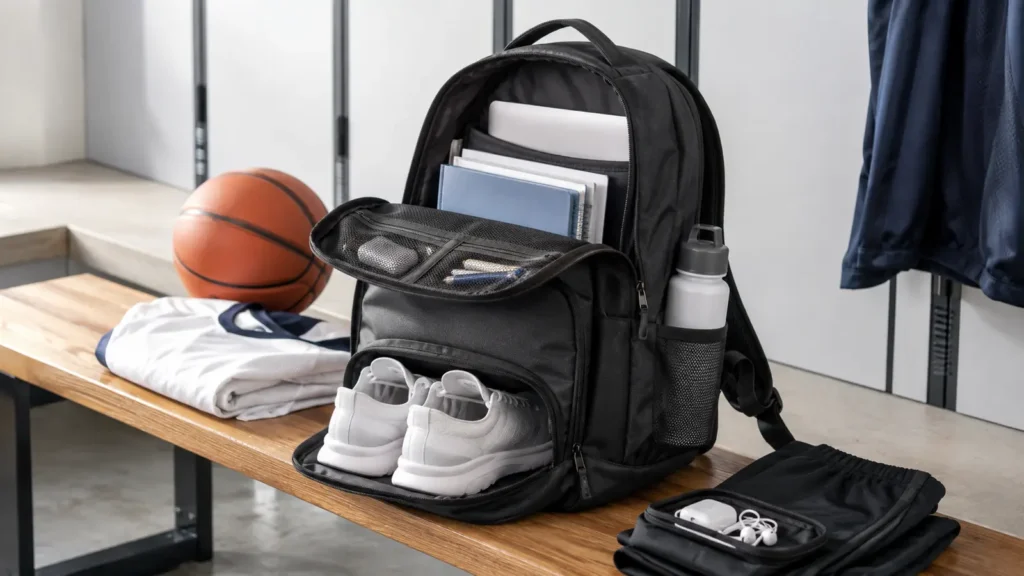
Fit and carrying guidance should be handled carefully. Programs can provide students with responsible-use instructions, but a backpack is not a medical device and bag construction cannot control how much a user chooses to carry. Buyers should prioritize two adjustable padded straps, stable load placement, a bag length appropriate to the user group, and simple organization that keeps dense items close to the back. If a school publishes health guidance, it should rely on its own qualified advisers and current local recommendations.
Materials: Specify the System, Not Just the Fabric Name
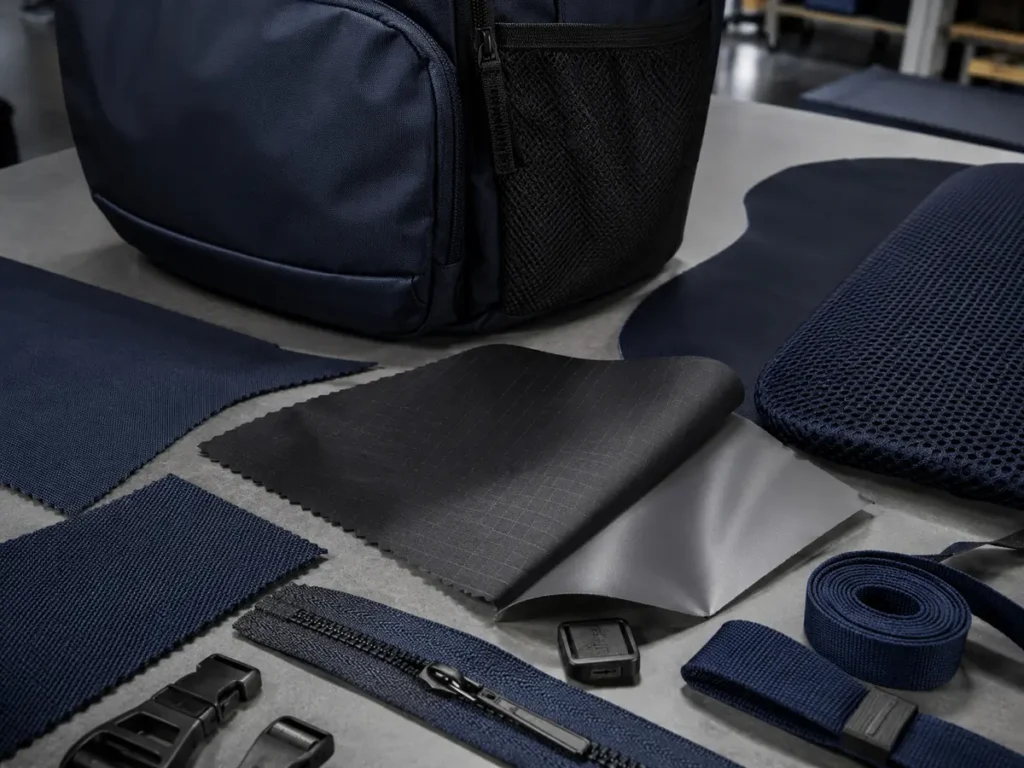
“Polyester backpack” is too broad for a reliable quotation. The face fabric, yarn size or fabric weight, weave, backing or coating, lining, mesh, webbing, foam, thread, zippers, pulls, buckles, and reinforcement layers work as one system.
Common Shell Options
- Woven polyester: widely used for school and team bags; offers broad color and finish choices. Performance varies by construction and coating.
- Ripstop polyester or nylon: uses a reinforcement grid that can help control the spread of small tears. The term alone does not define strength.
- Nylon fabrics: can provide a strong, refined hand at a given weight, although material cost and color behavior may differ from polyester.
- Coated or laminated panels: useful for a wipe-clean base or visual contrast. Buyers should confirm flexibility, odor, abrasion behavior, and low-temperature expectations.
- Spacer mesh: commonly used on back panels and shoulder straps for cushioning and airflow. Density and recovery matter more than a photograph suggests.
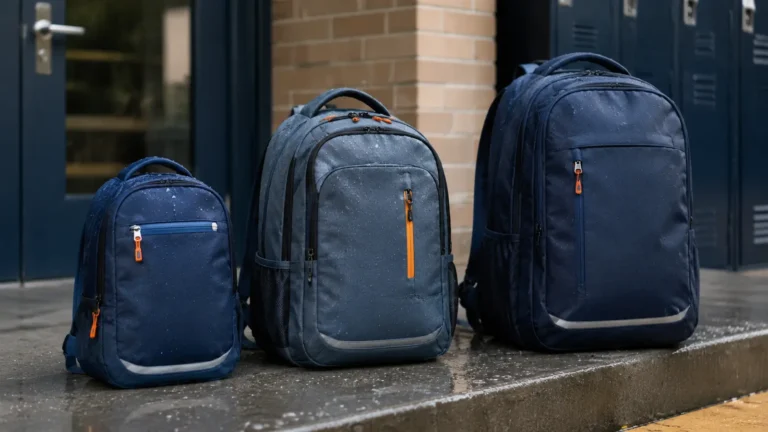
Water Resistance Is Not the Same as Waterproofing
A coated face fabric may resist light rain, yet water can still enter through zipper openings, needle holes, seams, or an unprotected top opening. Use “water-resistant” only with an agreed test method and acceptance level. Reserve “waterproof” for a complete bag construction that has been designed and verified for that claim. If wet-weather performance is important, discuss fabric coating, zipper design, seam construction, storm flaps, bottom-panel exposure, and testing together.
Recycled-Content Requests
If a tender or brand brief asks for recycled material, specify the exact component, percentage basis, documentation required, and whether chain-of-custody evidence is necessary. Do not assume that a recycled-fabric claim applies to foam, lining, webbing, zipper tape, or hardware. Agree on claim wording before labels or marketing materials are printed.
Construction Details That Influence Service Life
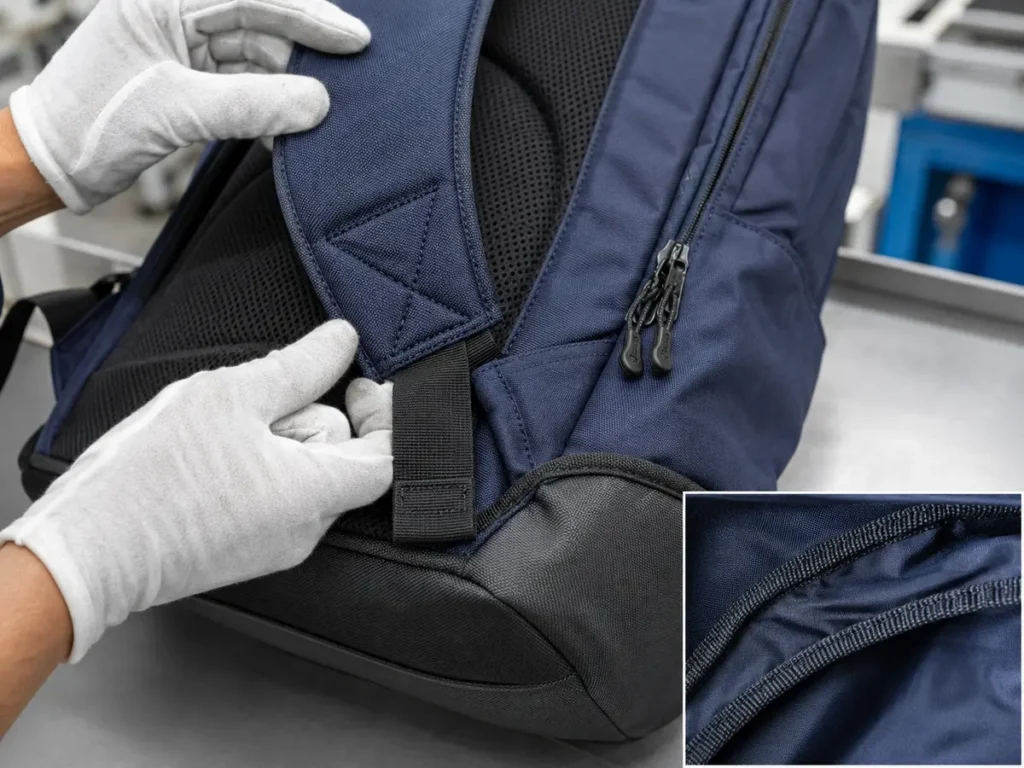
Backpacks often fail at interfaces: where a shoulder strap joins the body, where a zipper ends, where a pocket carries a bottle, or where the base meets the side wall. A thick face fabric cannot compensate for weak pattern design or inconsistent sewing.
Inspect these areas during development:
- shoulder-strap anchor shape, reinforcement layer, seam allowance, and bartack position;
- top handle attachment and the load path into the body panel;
- zipper size, slider compatibility, end stops, and opening geometry;
- binding or clean finishing on interior seams;
- bottle-pocket elastic recovery and pocket depth;
- foam thickness and recovery in straps and back panels;
- base-panel abrasion exposure and corner construction;
- symmetry of straps, pockets, logo placement, and panel shapes;
- loose thread control, skipped stitches, puckering, and sharp edges;
- accessory retention, including buckles, pulls, hooks, and cord ends.
Define Tests Around the Intended Use
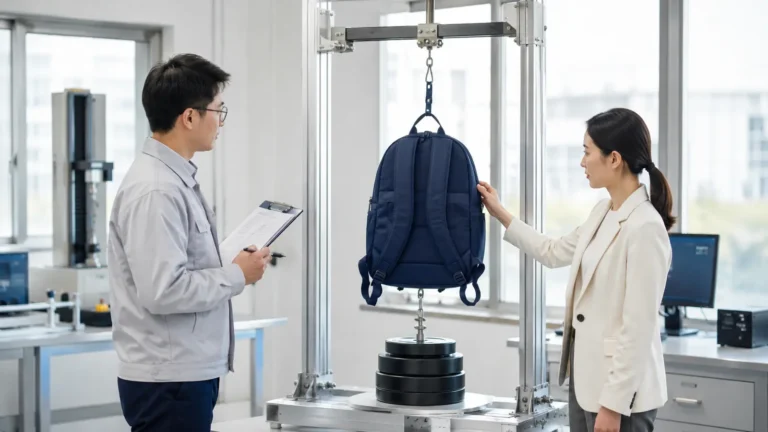
The supplier and buyer should agree on a practical validation plan. Examples include a loaded carry trial, repeated zipper operation, strap pull or static-load checks, seam inspection, color-transfer checks where relevant, coating adhesion evaluation, dimensional confirmation, and packaging transit review. Test methods, load, duration, sample count, conditioning, and pass/fail criteria must be written down. A casual statement such as “load tested” is not enough to compare suppliers.
Planning a school or team program? Send JIUMU your target quantity, student group, sport, packing list, preferred dimensions, colors, logo file, decoration method, packaging needs, destination, and required delivery date. The team can review the concept and prepare a custom quotation or sample plan.
Custom Team Backpack Branding Options
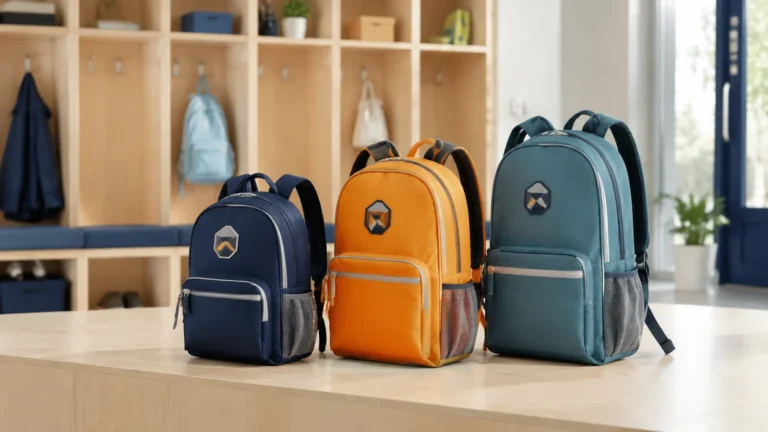
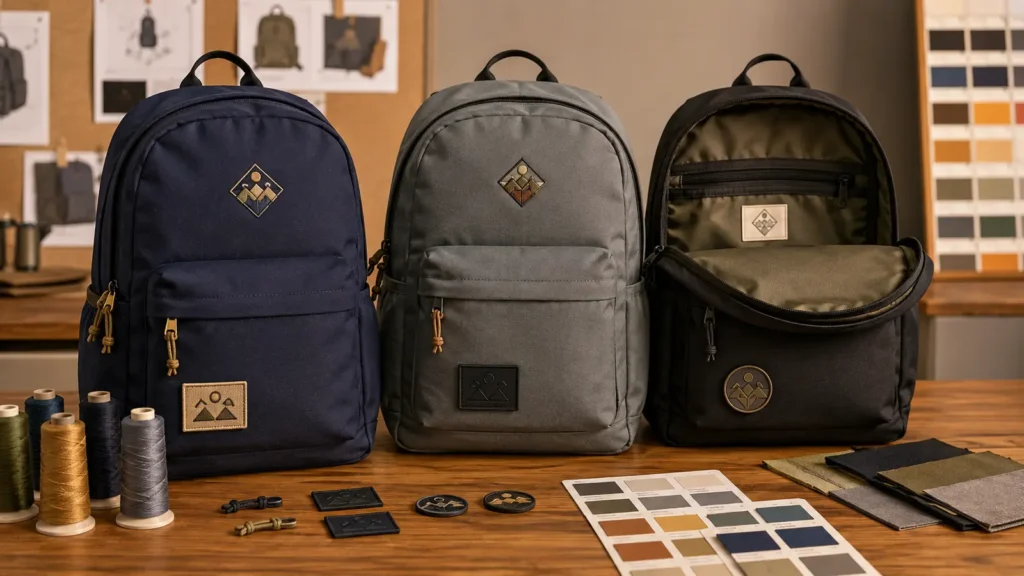
The front panel must be designed for decoration from the beginning. Seams, curves, padding, pockets, and internal reinforcement can restrict hoop access or heat-press contact. Share the logo early so the supplier can reserve a suitable decoration zone.
Embroidery
Embroidery provides a dimensional, durable appearance and suits many school crests and team marks. Stitch count, logo size, thread colors, small lettering, border clarity, and backing affect cost and appearance. Dense embroidery may stiffen or pucker a light panel, so the panel construction should be sampled with the real artwork.
Woven and Printed Patches
Woven patches can reproduce fine shapes more cleanly than some embroidered designs. Printed patches can support gradients or detailed artwork, subject to the chosen process. Confirm edge finish, attachment method, wash or abrasion expectations, and color approval.
Rubber/PVC and Leather-Style Patches
These methods create a distinctive dimensional or lifestyle look. Confirm thickness, flexibility, edge profile, color matching, attachment, and market-specific material requirements. “Leather-style” should not be described as genuine leather unless it is.
Heat Transfer and Screen Printing
Heat transfer can support multicolor names, numbers, or logos when the panel accepts heat and pressure. Screen printing can be efficient for suitable artwork and order quantities. Confirm adhesion, stretch, abrasion, surface texture, color count, and curing compatibility with any coating.
Personalization and Private Label
Individual names or numbers can help schools issue and recover bags, but they require a controlled roster. Use a spreadsheet with one identifier per row, lock spelling before production, and decide how extras will be handled. For private-label or distributor programs, the specification may also include woven labels, printed interior labels, hangtags, barcode stickers, polybags, cartons, inserts, and carton marks.
Color Approval for Team Programs
Screen colors are not production standards. Supply a Pantone reference or approved physical swatch, identify whether the requirement applies to fabric, thread, print, patch, webbing, and zipper components, and accept that different materials reflect light differently. A practical approval process may include digital artwork, available material swatches, a logo strike-off, and a finished pre-production sample.
If exact repeat-order consistency matters, record approved component references and retain approval samples. Material batches can vary, and a supplier should disclose substitutions before using them.
Safety, Labeling, and Market Compliance
Compliance responsibility depends on intended age, product design, destination market, claims, components, and the roles of manufacturer, importer, distributor, and retailer. Buyers should obtain advice appropriate to their market rather than copying a generic checklist.
In the United States, the Consumer Product Safety Commission explains that a backpack may be considered a children’s product when its sizing, themes, decoration, and marketing indicate it is primarily intended for children age 12 or younger. Children’s products can be subject to relevant CPSIA requirements, including rules related to lead, testing, certification, and tracking information. Start with the CPSC’s children’s products business guidance and define the product’s intended age group before finalizing materials or labels.
Country-of-origin marking and other labeling requirements must also be checked for the destination and product classification. The U.S. Federal Trade Commission’s textile labeling guidance explains requirements for products covered by the Textile and Wool Acts, while U.S. Customs rules may impose separate obligations. A backpack’s coverage can depend on its construction, so the importer should confirm the applicable rules.
For the European Union and United Kingdom, define restricted-substance, labeling, traceability, packaging, and general product-safety requirements with qualified compliance support. Ask for documentation that matches the exact materials and production lot rather than accepting an unrelated test report. The buyer should also control claims such as recycled content, antimicrobial performance, reflective visibility, or waterproofing with appropriate evidence.
What Drives the Cost of Custom Team Backpacks?
Bulk backpack prices cannot be compared responsibly without matched specifications. Major cost drivers include:
| Cost driver | Why it changes price | How to control it |
|---|---|---|
| Pattern and size | More panels and volume increase material and labor | Use a proven architecture where it meets the brief |
| Material system | Fabric, coatings, lining, mesh, foam, and webbing vary widely | Specify essential performance, then compare equivalent options |
| Compartments | Each pocket adds pattern pieces, zippers, sewing, and inspection | Remove features that do not serve the load list |
| Hardware | Zipper and buckle grade, pulls, hooks, and accessories affect cost | Set component expectations and approve samples |
| Decoration | Stitch count, color count, patch tooling, size, and positions add cost | Simplify artwork or standardize placement |
| Personalization | Individual names/numbers require data handling and unit-level control | Use a locked roster and clear surplus strategy |
| Quantity and color split | Small runs and many colorways reduce efficiency | Consolidate colors and forecast repeat orders |
| Packaging | Individual packs, inserts, labels, barcodes, and carton rules add work | Specify only what distribution requires |
| Quality and compliance | Testing, inspection levels, and documentation carry cost | Define requirements before quotation |
| Delivery plan | Production timing, freight mode, and destination affect landed cost | Work backward from the in-hands date |
JIUMU’s typical MOQ is 50 pieces, subject to product structure and customization. MOQ does not mean every combination of color, logo, name, and packaging can be split into one 50-piece total. Ask how minimums apply to each style and colorway.
Quality Control Before and During Bulk Production
A strong quality plan turns subjective expectations into measurable approvals.
Sample Approval Checklist
- Overall dimensions, weight, capacity method, and silhouette
- Actual packing trial with representative equipment
- Fabric, lining, coating, mesh, webbing, foam, thread, and hardware
- Zipper operation and opening access
- Shoulder-strap length, padding, symmetry, and anchor reinforcement
- Pocket dimensions, bottle retention, and shoe/ball/bat fit where applicable
- Logo size, position, colors, stitch or print quality, and backing
- Labels, hangtags, barcode data, packaging, and carton marks
- Agreed testing and compliance documentation
- Photos and signed comments identifying every required correction
Do not approve a sample with “make it better” notes. Mark exact dimensions, positions, colors, or construction changes. After corrections, decide whether a revised sample, component photo, or written confirmation is sufficient before production.
Bulk Inspection Points
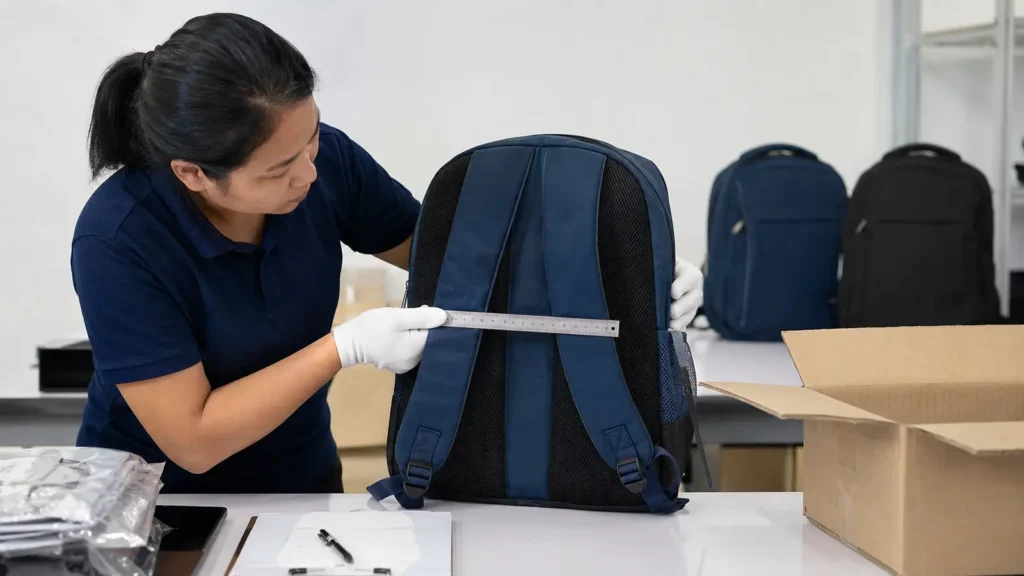
Inspection can include incoming material verification, first-piece confirmation, inline checks, and final random inspection. The plan should state sample size or inspection method, defect classifications, measurement tolerances, functional checks, appearance zones, packaging checks, and how failures will be resolved. Buyers with legal or retailer-specific requirements should use qualified third-party testing or inspection where appropriate.
A Practical Bulk-Order Workflow
- Define users and use cases. Record age group, sport, school-day use, travel, and equipment.
- Prepare the load list. Include dimensions for laptops, shoes, balls, bats, helmets, and locker constraints.
- Set the target specification. Choose architecture, approximate size, materials, colors, logo method, labeling, and packaging.
- Request a comparable quotation. Give every supplier the same brief and ask them to list assumptions and exclusions.
- Review artwork and materials. Confirm logo size, placement, color references, component availability, and substitutions.
- Develop and test the sample. Pack it, carry it, operate it, inspect it, and record corrections.
- Approve the production standard. Lock the specification, approval sample, tolerances, inspection plan, and roster.
- Monitor production and QC. Use agreed checkpoints and resolve deviations before shipment.
- Confirm packing and shipping. Review carton dimensions, carton marks, barcodes, documents, destination, and in-hands date.
- Archive repeat-order data. Keep artwork, roster format, component references, approvals, and issue history.
Information to Send for an Accurate Quotation
Send one structured brief containing:
- buyer type and destination country;
- intended student age range and sport;
- quantity by style, color, and delivery location;
- reference image, drawing, existing sample, or tech pack;
- required bag dimensions or equipment packing list;
- preferred shell, lining, base, mesh, and hardware expectations;
- team colors with Pantone references when available;
- vector logo artwork and target decoration size;
- names/numbers roster requirement;
- labels, hangtags, barcodes, individual packing, and carton marks;
- testing, restricted-substance, retailer, or tender requirements;
- target delivery date and shipping destination.
If the specification is still open, distinguish “must-have” requirements from optional features. This lets the supplier propose cost-effective alternatives without changing the program’s essential purpose.
Questions to Ask a Backpack Supplier
- Which existing bag architecture is closest to our use case, and what must be customized?
- How is the stated capacity measured, and can you demonstrate our packing list in a sample?
- Which materials and components are included in the quotation?
- Where are the primary load points, and how are they reinforced?
- What decoration methods suit our artwork and panel construction?
- How will fabric, thread, webbing, zipper, and logo colors be approved?
- What is the sample process, cost, revision policy, and approval sequence?
- What MOQ applies to each style, colorway, and personalization set?
- Which tests or documents can be provided for our exact product and market?
- How are inline and final inspections handled?
- What packaging data must we supply, and how are carton marks controlled?
- How will repeat orders and component substitutions be managed?
Common Buying Mistakes
Choosing by Fabric Number Alone
A higher denier does not automatically produce a better backpack. Weave, yarn quality, coating, panel design, lining, reinforcement, stitching, and hardware all influence performance.
Copying a Competitor’s Bag Without a Load Analysis
A visual reference can communicate style, but it may contain features irrelevant to your students. Start with the equipment and daily journey, then build the architecture.
Using “Waterproof” as a Casual Requirement
This word creates a high expectation. Define exposure, test method, construction, and pass criteria. For many school programs, properly specified water resistance is the more accurate goal.
Adding Too Many Compartments
Extra pockets can increase cost, weight, seam length, and failure points. Every compartment should have a named purpose.
Approving Artwork Without a Finished-Bag Sample
A logo can look correct on a flat proof yet appear too low, distorted, or puckered on the final padded panel. Approve the actual decoration on the intended construction.
Leaving Compliance Until Shipment
Age grading, market requirements, claims, labels, and test plans can affect material choices. Define them before sampling and purchase-order confirmation.
Ignoring Replacement and Repeat Orders
School rosters change. Plan spare quantities, personalization rules, archived specifications, and acceptable material substitutions at the start.
Why Source Custom Team Backpacks With JIUMU?
JIUMU, established in 2010 in Guangdong, China, supports North American and European B2B buyers with custom teamwear, logo apparel, hats, uniforms, bags, and branded merchandise. Relevant capabilities include OEM and ODM product development, embroidery, screen printing, heat transfer, woven and rubber/PVC-style patches, fabric sourcing, Pantone color matching, private labels, hangtags, packaging customization, digital mockups, physical samples, bulk quality control, and export support.
For backpack programs, that broad teamwear capability is useful when a buyer wants bags coordinated with custom team uniforms, team jerseys, team jackets, custom hoodies, or baseball uniform packages. Buyers can also explore JIUMU’s custom team bags category.
JIUMU’s typical MOQ is 50 pieces, subject to the bag structure and customization. Final specifications, sample requirements, unit pricing, and timing are confirmed per project; they should not be inferred from a general article.
Frequently Asked Questions
Final Recommendation
The best sports and team backpacks for students are not selected by appearance or nominal capacity alone. Begin with a real load list, choose a bag architecture suited to the sport and daily journey, specify the complete material and component system, reserve an appropriate logo area, and approve a physical sample against written criteria. That process gives schools, teams, and distributors a clearer quotation, fewer production surprises, and a more useful product.
For a coordinated custom program, share your product concept, quantity, colors, dimensions, logo, packing needs, destination, and target delivery date with JIUMU.