How to Style a Baseball Cap: Men’s and Women’s Outfit Guide
A baseball cap makes a simple outfit intentional when its shape, color, fabric, and structure agree with the clothes. The same cap may suit a hoodie but conflict with a wool coat.
This guide explains how to style a baseball cap for men and women across casual, smart-casual, athleisure, streetwear, travel, and seasonal outfits. It also shows brand owners, retailers, schools, teams, and promotional buyers how styling decisions translate into better custom-cap specifications.
Fashion coverage has shown the baseball cap moving far beyond the ballpark—from varsity jackets and jeans to coats and tailored layers. The practical conclusion is simple: the cap is versatile, but the details determine whether it looks deliberate or accidental.
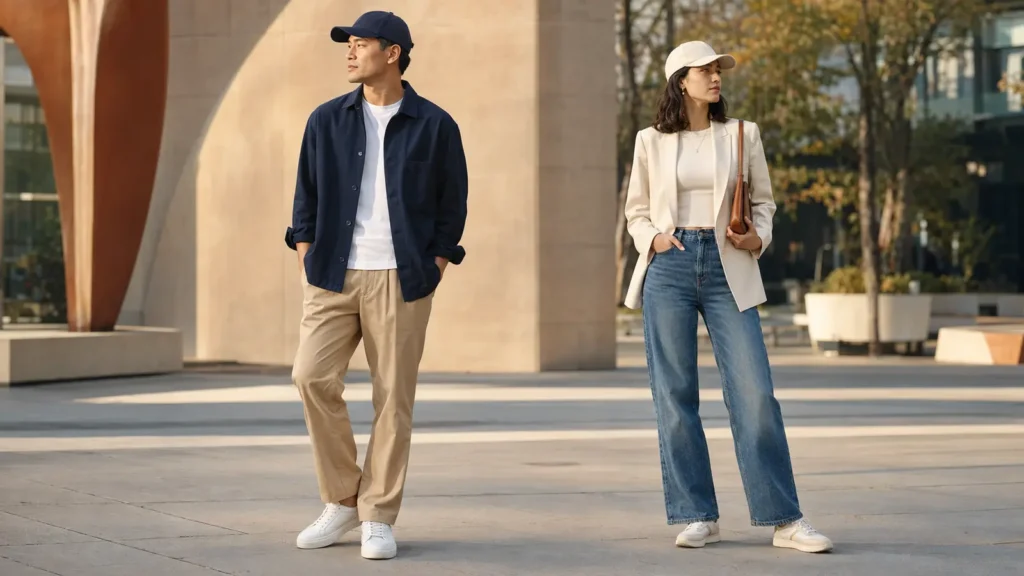
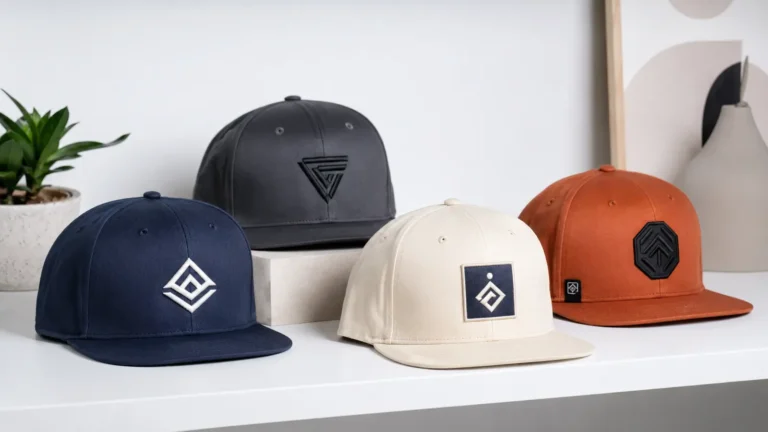
A navy cap and a cream cap demonstrate two versatile approaches to modern baseball-cap styling.
Quick Answer: How Do You Style a Baseball Cap?
Choose the cap to match the visual language of the outfit. Use a low-profile, curved-brim cap for relaxed and understated looks; a structured six-panel cap for sport, streetwear, and branded uniforms; and a clean fitted cap when you want a sharper silhouette. Repeat one color from the outfit in the cap, or use the cap as the only controlled accent. Keep logos small when the clothing is already busy. Most importantly, adjust the crown depth and brim so the cap sits comfortably and frames the face rather than hiding it.
For an easy starting formula:
- Men: navy cap + white T-shirt + overshirt + straight-leg chinos + clean sneakers.
- Women: cream cap + fitted knit top + relaxed blazer or denim jacket + straight jeans or a midi skirt + low-profile sneakers.
- Unisex: washed cotton cap + sweatshirt + relaxed denim + simple trainers.
- Smart casual: tonal cap + unstructured blazer or wool coat + plain shirt + dark trousers.
- Athleisure: performance cap + clean sweatshirt or quarter-zip + coordinated leggings, joggers, or shorts.
Why the Right Baseball Cap Changes the Whole Outfit
A cap sits at the highest point of the body and close to the face, so it attracts attention quickly. It can repeat an outfit color, introduce texture, soften tailoring, or add a sporty contrast. It can also make an otherwise good outfit feel disconnected if the crown is too tall, the brim is too flat, or the decoration is too loud.
Think about four elements:
- Silhouette: The crown height and brim shape affect the perceived proportions of the head, face, and shoulders.
- Formality: Washed cotton and distressed finishes feel casual; fine twill, wool blends, tonal embroidery, and restrained colors feel more polished.
- Color: A cap can blend with the outfit, connect two colors, or act as a single accent.
- Message: A logo, phrase, patch, or blank front communicates a different identity. For branded merchandise, this is a design decision as much as a styling decision.
Recent fashion examples support this broader use. Vogue’s New York Fashion Week cap coverage showed sporty and tailored combinations, and its women’s baseball-cap styling roundup paired caps with slip dresses, blazers, denim, and heels. These are not rigid rules, but they demonstrate that contrast can work when the palette and proportions remain controlled.
Choose the Right Baseball Cap Shape First
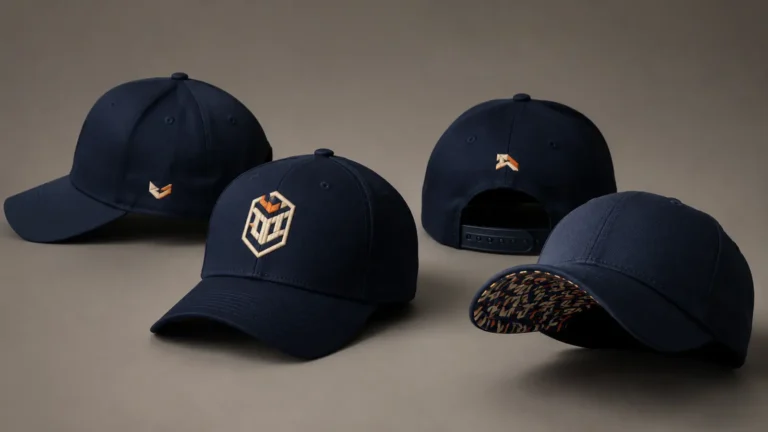
Before coordinating colors, select a cap shape that suits the outfit and wearer. “Baseball cap” is a broad category that includes unstructured dad caps, structured six-panel caps, fitted caps, snapbacks, performance caps, and hybrid shapes.
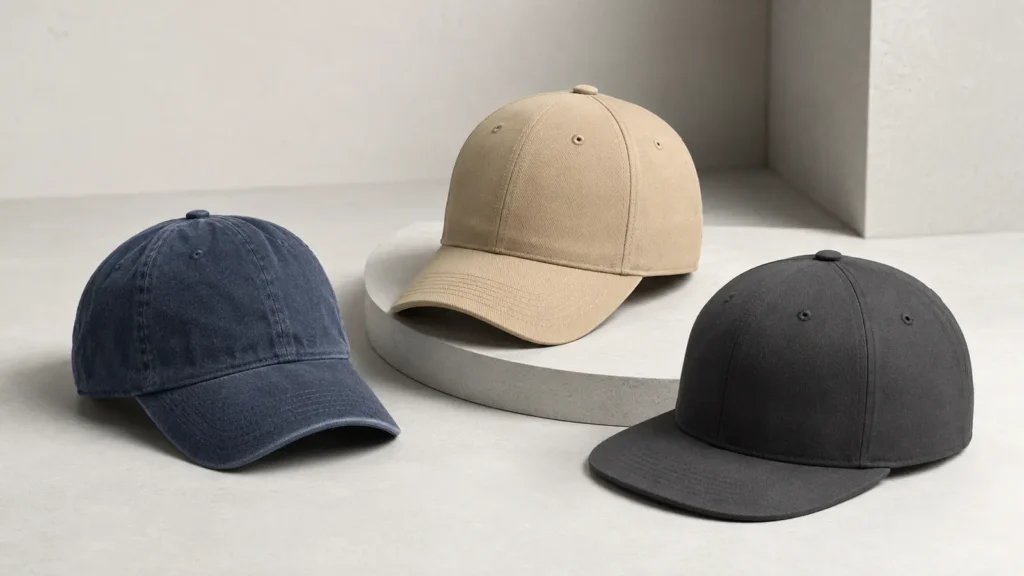
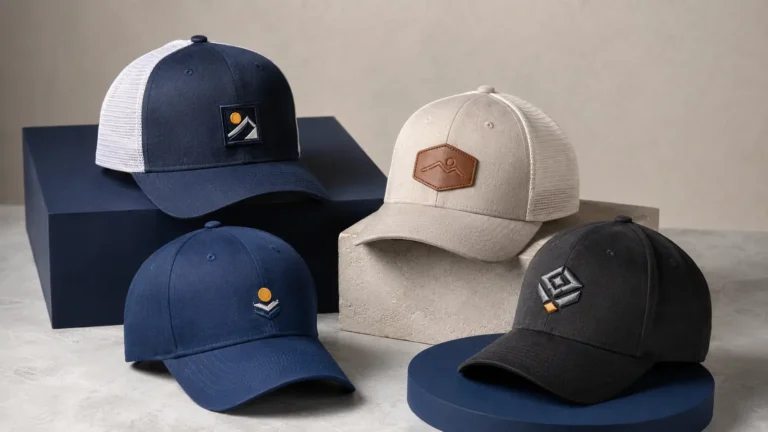
Crown structure and brim shape change the visual character of a baseball cap.
| Cap style | Visual character | Best outfit pairings | Branding considerations |
|---|---|---|---|
| Low-profile dad cap | Soft, relaxed, understated | T-shirts, knitwear, denim, chore jackets, dresses, casual tailoring | Small embroidery, tonal logo, side embroidery, woven label |
| Structured six-panel cap | Clean, sporty, defined | Teamwear, streetwear, varsity jackets, uniforms, casual outerwear | Flat or raised embroidery, patches, front and side logos |
| Fitted cap | Sharp, athletic, confident | Oversized tees, varsity pieces, denim, coordinated sets | Precise sizing; front embroidery needs balanced scale |
| Snapback | Bold, adjustable, street-influenced | Hoodies, bombers, wide-leg trousers, sneakers | Strong front panel for embroidery or patch decoration |
| Performance cap | Lightweight, technical, active | Running, golf, training, travel, athleisure | Lightweight decoration and breathable construction matter |
| Trucker-style cap | Casual, graphic, warm-weather | Workwear, denim, outdoor looks, event merchandise | Foam or twill front supports patches and prominent graphics |
Crown height
A low crown follows the head closely and usually looks subtle. It works well with simple everyday clothing and smaller facial features. A mid-profile crown is the most adaptable choice for uniforms, promotional merchandise, and general retail. A high crown creates a stronger streetwear or athletic statement and can balance oversized outerwear.
For bulk custom orders, do not describe a crown only as “standard.” Ask for measurements, side-view photographs, and a physical sample because suppliers may use the same style name for different blocks.
Structured versus unstructured
Structured caps support the front panels, creating a consistent logo area and uniform team appearance. Unstructured caps drape more naturally for a softer look. The choice depends on the wearer, logo method, and styling objective.
Curved versus flatter brim
A curved brim integrates easily into casual, smart-casual, golf, and team outfits. A flatter brim feels more athletic or streetwear-oriented. A slight curve is a useful middle option.
Adjustable versus fitted sizing
Adjustable closures are practical for events, staff programs, and team orders because fewer sizes are required. Fitted caps have a clean back profile but need accurate size allocation.
How to Style a Baseball Cap for Men
The easiest men’s outfits use the cap as a quiet finishing piece rather than the only interesting item. Start with one strong silhouette—relaxed workwear, clean sportswear, or soft tailoring—and choose a cap that supports it.
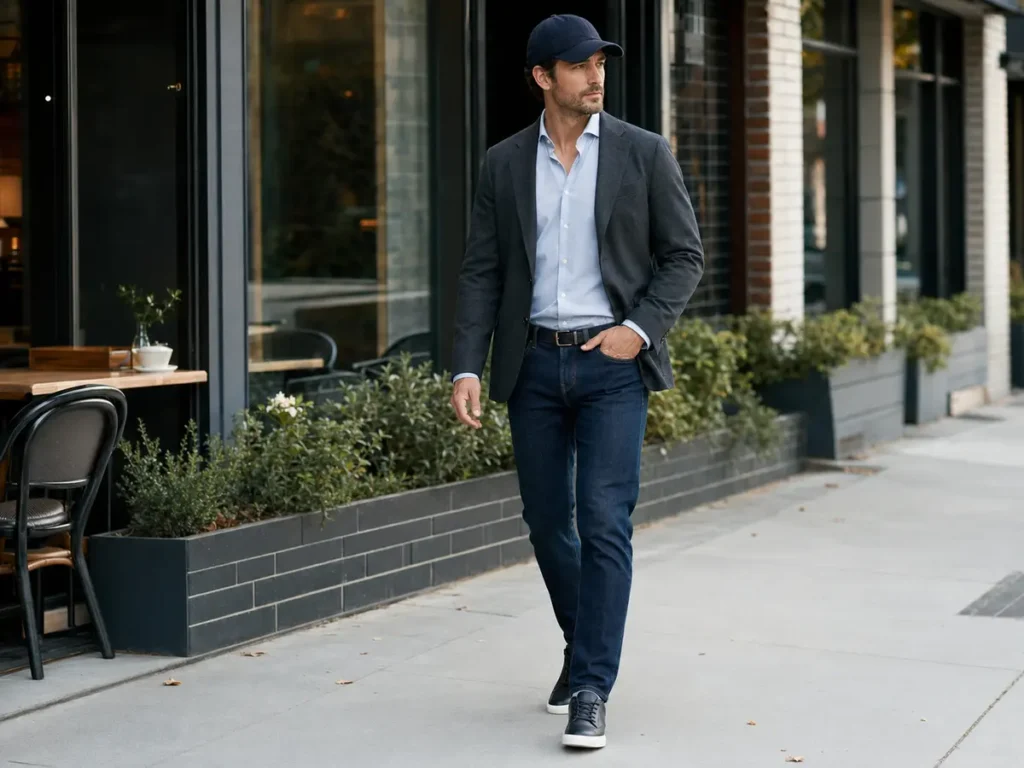
A clean curved-brim cap can relax a blazer-and-denim outfit without making it look careless.
1. Everyday casual: T-shirt, overshirt, jeans
Pair a navy, olive, charcoal, or washed black cap with a plain T-shirt, open overshirt, straight-leg jeans, and simple sneakers. The overshirt gives the outfit enough structure to prevent the cap from reading as purely athletic.
Keep the color strategy simple. Navy works with denim without matching exactly; olive works with ecru and cream; washed black connects easily to charcoal.
2. Smart casual: blazer, shirt, dark denim
Choose a cap with a clean curved brim, fine twill or wool-like texture, and minimal decoration. Pair it with an unstructured blazer, Oxford shirt or fine-gauge knit, dark jeans or tailored chinos, and refined sneakers or casual loafers.
A soft blazer and understated cap share a relaxed character. Avoid pairing a highly athletic cap with a formal suit unless the contrast is deliberate.
3. Streetwear: oversized layers and a structured cap
A structured cap or fitted style works with an oversized T-shirt, hoodie, bomber or varsity jacket, wider trousers, and substantial sneakers. The cap’s stronger crown balances the volume of the clothing.
Use one graphic focal point. If the jacket has large lettering, choose a tonal cap. If the clothing is plain, the cap can carry the main embroidery or patch.
4. Workwear: canvas jacket, denim, boots
Washed cotton, canvas, corduroy, and trucker-inspired caps fit naturally with chore jackets, flannel shirts, raw or faded denim, utility trousers, and boots. Earth colors—tobacco, forest green, navy, stone, rust, and brown—make the look cohesive.
A corduroy cap can echo the weight of canvas outerwear, while a washed cap works with broken-in denim.
5. Athleisure: coordinated technical pieces
Use a lightweight performance cap with a quarter-zip, technical T-shirt, clean joggers or shorts, and running-inspired footwear. Keep the palette to two or three related colors. Black, gray, navy, white, and muted green are easy to coordinate.
For an active program, buyers should also confirm ventilation, sweatband construction, closure comfort, decoration weight, and care.
6. Cold weather: overcoat and textured cap
A baseball cap can work with a wool coat, puffer, or quilted jacket when the fabric and color feel seasonal. Choose corduroy, brushed cotton, wool blend, or a dense twill in navy, brown, charcoal, camel, or forest green. Vogue’s winter cap guidance similarly emphasizes weightier fabrics and earthy colors for colder months.
Connect the cap to another casual element such as denim, knitwear, a sweatshirt, or sneakers.
7. Wearing a cap backward
A backward cap creates a more youthful and sport-driven impression. It works best with casual clothing: tees, tanks, hoodies, jerseys, denim jackets, and relaxed trousers. Keep the closure neat and ensure the crown is not overly tall at the back.
GQ’s discussion of the backward fitted-cap revival reflects its place in contemporary music and streetwear. It remains less suitable for conservative workplaces or formal events.
How to Style a Baseball Cap for Women
Women’s baseball-cap outfits can stay fully sporty or use contrast between the cap and a more polished garment. The key is to repeat a color, balance volume, and keep the hair, brim, and neckline from visually crowding one another.
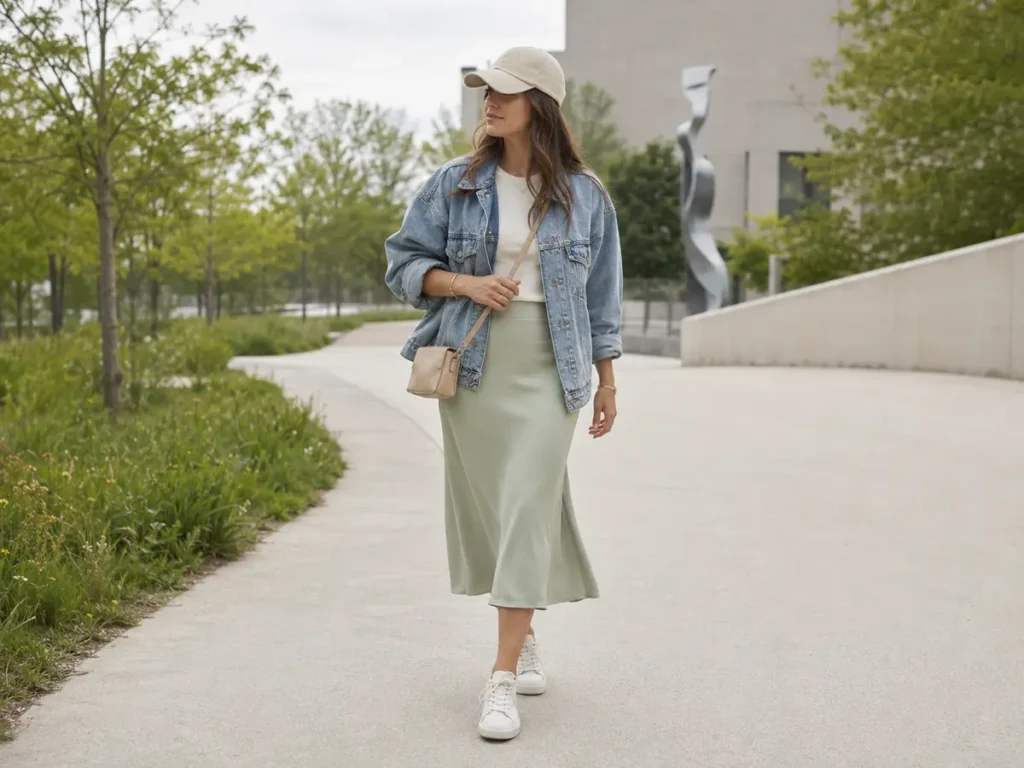
A neutral cap creates a sporty counterpoint to a soft midi-skirt outfit.
1. Classic casual: cap, tank or tee, jeans
Start with a low-profile cotton cap, fitted tank or T-shirt, straight or relaxed jeans, and sneakers. Add a denim jacket, bomber, cardigan, or overshirt when the outfit needs another layer.
Cream, washed navy, black, tan, and muted green are versatile. A brighter cap works when the clothing remains neutral.
2. Athleisure: performance cap and coordinated set
Pair a lightweight cap with a fitted top, leggings, bike shorts, joggers, or a tennis-inspired skirt. Add a clean sweatshirt, zip jacket, or lightweight trench. A tonal palette makes active pieces feel more considered.
Match fabric character as well as color: technical caps suit performance garments, while heavy canvas can feel disconnected from lightweight running apparel.
3. Blazer and jeans
A baseball cap softens a blazer and makes it useful for daytime, travel, creative offices, or weekend wear. Use a plain or tonal cap with a relaxed blazer, fitted tee or knit, straight jeans, and sneakers or loafers.
With a patterned blazer, keep the cap quiet. With neutral tailoring, the cap can introduce a controlled color.
4. Midi skirt or slip dress
Combine a cream, navy, or black cap with a slip dress or midi skirt, then add sneakers, a denim jacket, cardigan, or relaxed blazer. The cap provides a sporty counterpoint while the skirt creates movement.
Vogue has shown baseball caps with slip dresses, blazers, vintage jeans, and dressier accessories. Repeat the cap color or its simplicity elsewhere to keep the look coherent.
5. Oversized shirt and shorts
For warm weather, use a low-profile cap with an oversized cotton or linen shirt, fitted tank, tailored shorts or denim shorts, and sandals or sneakers. A cap with a slightly washed finish keeps the outfit relaxed.
For outdoor use, confirm the fabric and sweatband through specifications and sample handling rather than a photograph.
6. Trench coat and travel layers
A neutral cap works well with a trench, knit top, relaxed trousers, and clean sneakers. It adds practicality without making the outfit look like gymwear. This formula is useful for airports, city travel, and transitional weather.
For travel merchandise, consider subtle embroidery, a soft closure, and a packable crown. Sample the decoration because dense embroidery can change how a soft crown drapes.
7. Hair and cap balance
Hair can be worn loose, in a low ponytail, in braids, or in a low bun depending on the closure and opening. A low ponytail usually works with most adjustable caps. Braids can visually balance an oversized jacket or sweatshirt. Loose hair softens structured caps and fitted styles.
Do not overtighten the closure to secure the hairstyle. Buyers should evaluate the back opening, hardware, and internal seams during sample fitting.
Match the Cap Color to the Outfit
Color coordination does not require an exact match. In fact, small differences in navy, cream, or olive often create more depth than a perfectly uniform set.
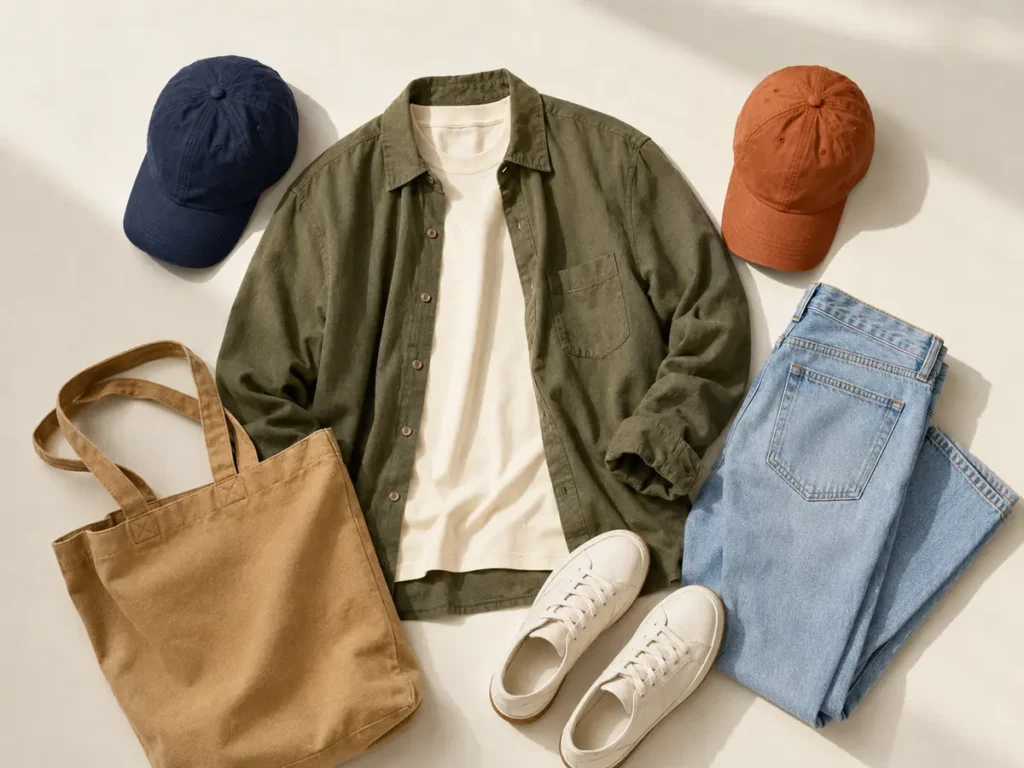
Use a neutral cap to anchor an outfit or a controlled accent cap to introduce color.
| Color strategy | How it works | Example | Best use |
|---|---|---|---|
| Tonal | Uses related shades of one color family | Navy cap, blue overshirt, dark denim | Uniforms, minimalist outfits, refined merchandise |
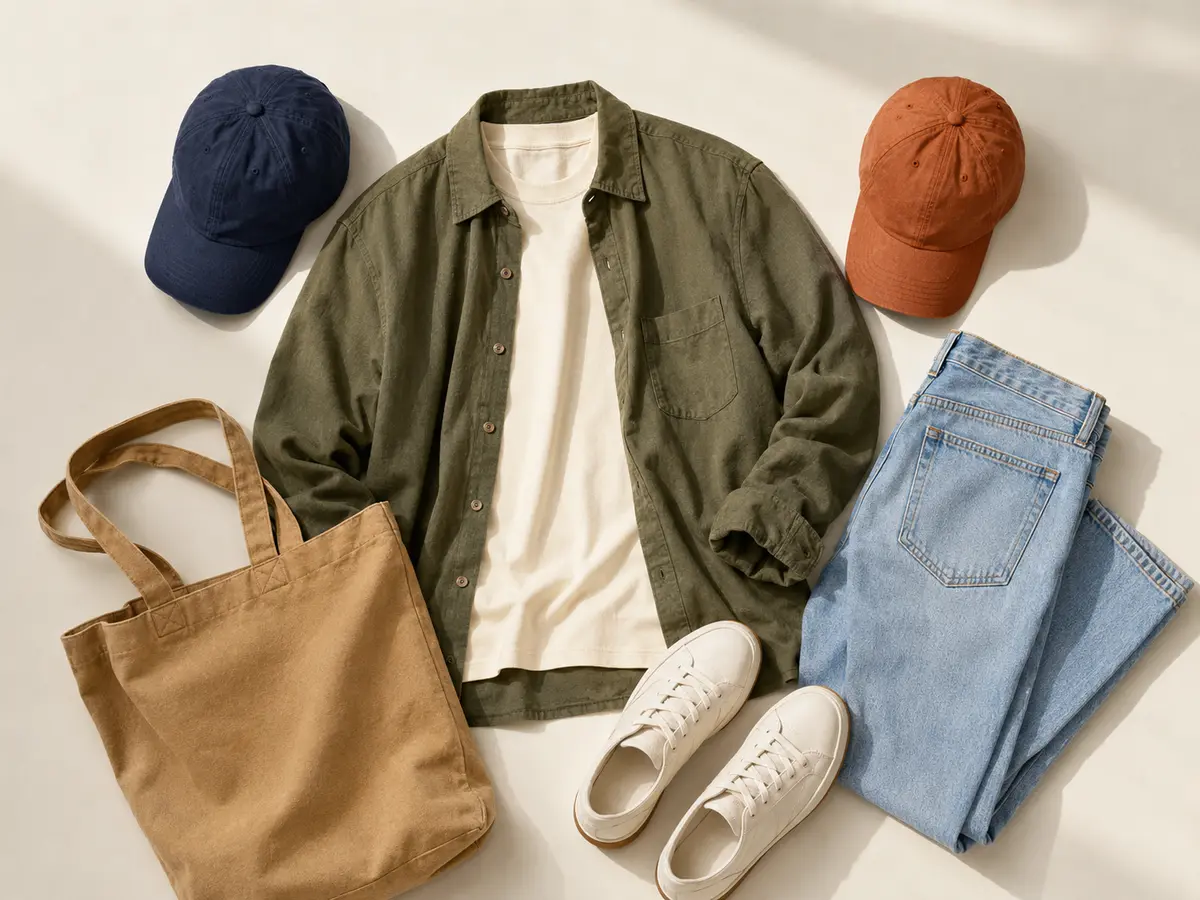
| Neutral anchor | Cap uses an easy neutral | Cream cap with green jacket and blue jeans | Everyday retail, mixed wardrobes, broad audiences |
| Color echo | Repeats a smaller color from the outfit | Rust cap echoing a stripe or shoe detail | Branded collections and coordinated teamwear |
| Single accent | Cap is the only strong color | Orange cap with navy and cream outfit | Events, promotional programs, simple streetwear |
| Controlled contrast | Uses opposite temperature or value | Forest cap with warm tan outerwear | Seasonal collections and editorial styling |
The three-color rule as a practical starting point
Limiting the visible palette to roughly three main colors makes coordination easier, although it is not a rule. Neutrals can bridge the cap and main garment.
When the cap has a logo
Treat logo thread or a patch as another color. Fewer, coordinated colors often create a more versatile cap and simplify repeat-order color control.
Black is useful, but not automatic
Black works with monochrome outfits and bright accents but can feel heavy with pale summer clothing. Washed black, navy, stone, or cream may integrate more naturally.
Choose Cap Fabric by Season and Outfit Texture
The fabric changes both comfort and styling. It also affects embroidery stability, crown shape, color appearance, and care requirements.
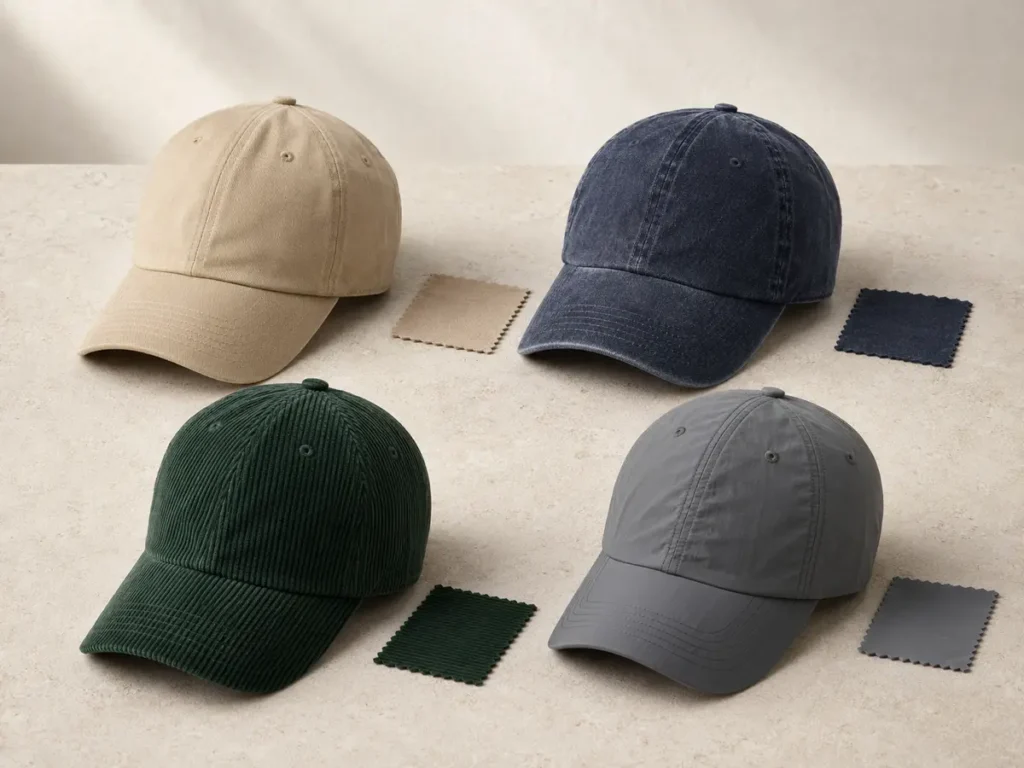
Cap fabric should coordinate with the season, outfit texture, and intended use.
Spring and summer
Use cotton twill, light canvas, mesh combinations, or performance fabrics. For outdoor use, confirm construction; do not infer breathability, water resistance, or recycled content from appearance.
Autumn
Washed cotton, corduroy, canvas, and deeper colors work with denim, knitwear, bombers, and chore jackets. Corduroy already adds texture, so decoration can stay restrained.
Winter
Dense twill, wool blends, corduroy, and brushed fabrics suit coats and heavier knitwear. Ask how the material reacts to embroidery, moisture, and cleaning.
Texture coordination
A smooth technical cap can sharpen textured knitwear; washed canvas can soften tailoring. If both cap and clothing have strong texture, reduce the logo scale.
Build Outfits Around the Occasion
The occasion determines how much contrast and branding feel appropriate.
| Occasion | Recommended cap direction | Outfit formula | What to avoid |
|---|---|---|---|
| Weekend casual | Washed, low-profile, curved brim | Tee + overshirt + jeans + sneakers | Oversized logo competing with printed clothing |
| Creative office | Fine twill, tonal logo, clean crown | Blazer + knit or shirt + dark trousers | Distressed cap with formal business clothing |
| Travel | Soft structured or packable cap | Trench + knit + relaxed trousers | Uncomfortable hardware or overly tight fit |
| Team event | Structured six-panel, consistent colors | Jersey or team jacket + coordinated bottoms | Inconsistent logo scale and cap blocks |
| Promotional campaign | Broad-fit adjustable cap | Simple branded apparel + neutral layers | Too many decoration methods on one cap |
| Streetwear launch | Fitted, snapback, or high-profile shape | Oversized layers + wide trousers | Weak crown shape under dense embroidery |
| Golf or outdoor program | Performance-oriented cap | Polo or quarter-zip + technical bottoms | Heavy patch or decoration without sample testing |
What Custom-Cap Buyers Can Learn from Outfit Styling
Styling reveals how the cap will be worn. A workwear brand may need washed cotton and small embroidery; a school may prioritize adjustable sizing and repeatable team colors; a promotional buyer may need a versatile mid-profile shape.
Translate the intended outfit into specifications:
- Target silhouette: low, mid, or high crown; structured or unstructured.
- Brim: curved, slightly curved, or flatter.
- Fabric: fiber content, weight or hand feel, weave, finish, and color.
- Closure: buckle strap, fabric strap, snap, hook-and-loop, or fitted sizing.
- Decoration: flat embroidery, raised embroidery, woven patch, rubber/PVC patch, leather-style patch, print, or transfer where appropriate.
- Placement: front, side, back, closure area, or internal label.
- Brand system: Pantone reference, approved thread colors, logo size, clear space, label details, and packaging.
- Use environment: retail, team, school, staff uniform, outdoor event, gift program, or private label.
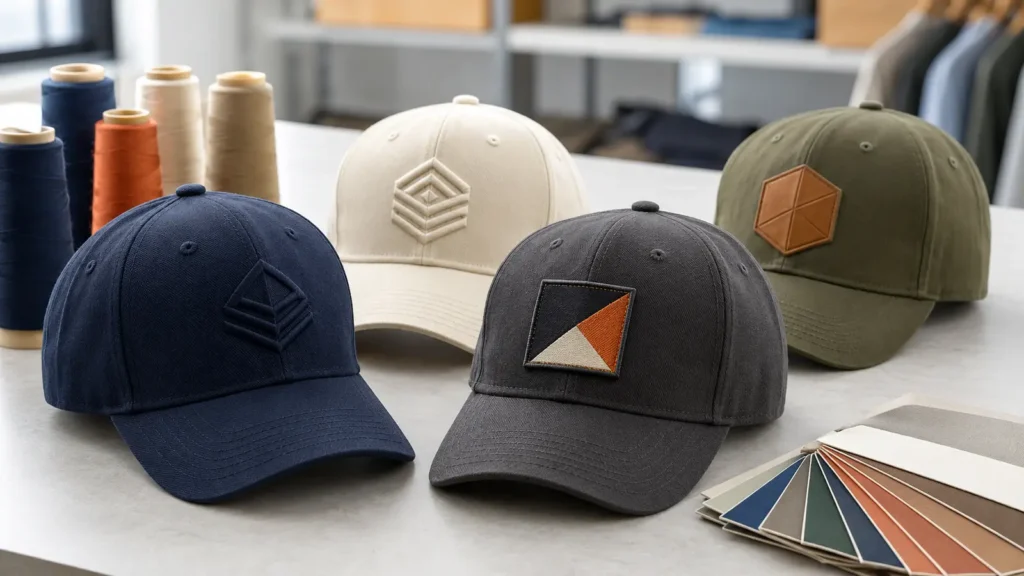
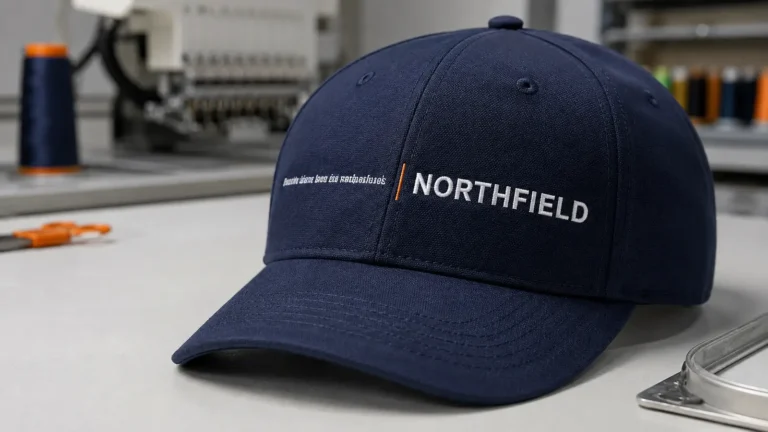
Logo scale and decoration method should be tested on the selected cap construction.
Logo Size and Decoration: Keep the Outfit Wearable
A cap can be a billboard, but it does not always need to be. For broad everyday use, smaller front embroidery, tonal thread, a side mark, or a compact patch can make the product easier to wear with different outfits. For teamwear or fan merchandise, a stronger front logo may be the correct choice.
Decoration must be evaluated on the actual cap:
- Dense embroidery can stiffen a soft front panel.
- Raised embroidery requires appropriate artwork and stitch planning.
- Patches add edge, thickness, and material contrast.
- Small text may lose clarity when stitched.
- A logo that looks balanced on a digital mockup may appear too large on a low-profile crown.
- Thread and fabric colors can look different under indoor, daylight, and screen conditions.
Develop a cap that works with the collection
Planning custom caps for a brand, team, school, event, or uniform program? Explore JIUMU’s custom baseball cap options and send a reference image, logo file, estimated quantity, target colors, preferred cap shape, decoration method, packaging requirement, and delivery destination. JIUMU can help convert the styling concept into a digital mockup and physical sample for review.
Sample Approval and Quality Control
Do not approve a bulk cap only from a front-view mockup. Review a physical sample from multiple angles and on representative wearers.
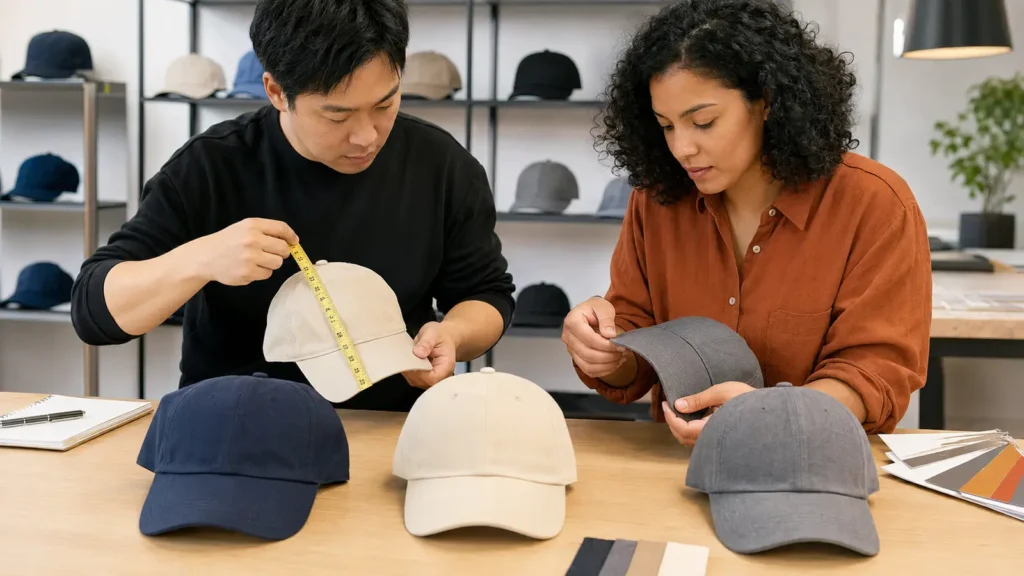
Physical sample approval helps buyers confirm fit, construction, color, and decoration before bulk production.
Fit and construction checklist
- Confirm crown height, circumference range, panel shape, and back opening.
- Check for pressure points, excessive gaps, or uneven seating.
- Compare brim length, curve, symmetry, and stitching.
- Inspect eyelets, seams, internal taping, sweatband, and closure.
- Verify front structure and test the closure repeatedly.
Color and decoration checklist
- Review fabric and thread colors in controlled light and daylight.
- Compare logo dimensions and placement to approved artwork.
- Check embroidery edges, loose threads, puckering, and distortion.
- Confirm patch material, border, attachment, and orientation.
- Approve labels and retain an identified sample for bulk comparison.
Wear and care review
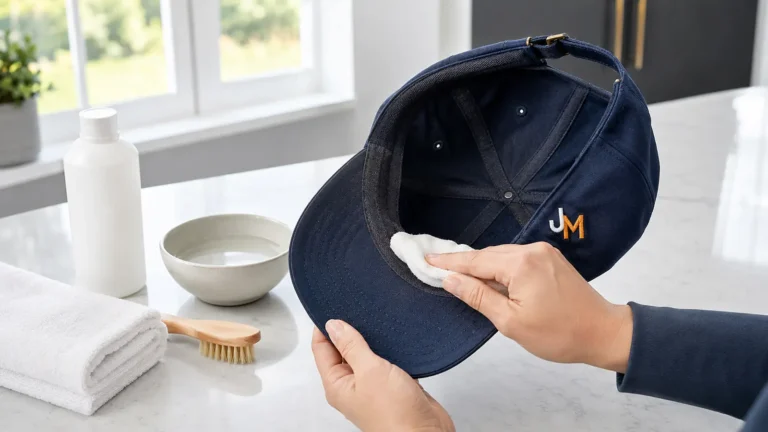
Fit the cap on different head shapes and wear it long enough to identify sweatband, seam, closure, or pressure issues. Verify care instructions for the selected materials. Define observable approval standards so bulk production can be compared consistently.
How to Plan a Bulk Custom Baseball Cap Order
Step 1: define the wearer and outfit context
State who will wear the cap and with what clothing. A youth baseball team, streetwear label, construction company, golf event, and corporate gift program need different shapes, materials, and branding.
Step 2: prepare design information
Send vector artwork when available, brand colors, cap references, placement preferences, labels, and packaging. With a reference image, identify which elements matter and which should remain original.
Step 3: confirm commercial requirements
Provide quantity, size or closure allocation, destination, target date, and whether this is a first or repeat run. JIUMU’s typical MOQ is 50 pieces, subject to specification.
Step 4: review a digital mockup
Use the mockup to confirm general color, logo scale, placement, and shape—not exact texture, fit, or color under all lighting.
Step 5: approve a physical sample
Review the sample against the checklist and consolidate revisions so artwork, construction, and packaging changes remain traceable.
Step 6: define bulk QC and packing
Confirm the approved sample, inspection points, assortment, packaging, carton marks, and shipping information. Decide whether units need sorting by player, size, department, or location.
Questions to Ask a Custom Cap Supplier
- Which cap block best matches this reference: low, mid, or high profile?
- Is the crown structured or unstructured, and how will the decoration affect it?
- What fabric composition and finish are proposed?
- Which colors are stock and which require custom dyeing or Pantone matching?
- Which closure options are available for this shape?
- What is the recommended logo size for the front panel?
- Can the artwork be produced clearly with the selected decoration method?
- What labels, hangtags, and packaging options are available?
- What does the sample process include, and how are revisions handled?
- What information is needed to confirm MOQ, quotation, and production planning?
- How are bulk logo placement, color, stitching, and sizing checked?
- How should repeat orders reference the approved cap, color, and artwork?
Common Baseball Cap Styling and Buying Mistakes
Choosing only by front view
The side profile reveals crown height and brim proportion. Review front, side, back, and on-head views.
Matching every color exactly
Use coordinated shades unless a uniform program requires controlled color matching across fibers and dye lots.
Using too many focal points
Choose one primary graphic element; large embroidery, a graphic jacket, printed shirt, and statement shoes can compete.
Ignoring outfit volume
Balance cap volume with garment volume: soft, low crowns can disappear against oversized streetwear, while tall crowns can overpower delicate clothing.
Approving artwork without testing the cap
Embroidery and patches interact with seams, support, and fabric. Sample the selected method on the final cap construction.
Assuming one cap fits everyone
Adjustable caps are flexible, not universal. Test circumference, crown depth, opening, and closure on representative users.
Using unsupported product claims
Do not claim waterproofing, recycled content, UV protection, certification, or testing without appropriate support.
Why Work with JIUMU on Custom Baseball Caps?
JIUMU is a Guangdong-based B2B supplier established in 2010, serving buyers in the United States, Canada, the United Kingdom, and Europe. The company supports custom hats, teamwear, logo apparel, bags, uniforms, and branded merchandise for schools, sports teams, distributors, promotional companies, retailers, and private-label brands.
Relevant capabilities include:
- OEM and ODM product development.
- Flat and dimensional logo embroidery.
- Screen printing, heat transfer, and other decoration options where appropriate.
- Woven, rubber/PVC, and leather-style patches.
- Fabric sourcing and Pantone color matching.
- Private labels, woven labels, hangtags, and packaging customization.
- Digital mockups and physical samples.
- Bulk production, quality control, and export support.
Buyers building a wider program can also explore custom team uniforms, custom hoodies, custom team jackets, and baseball team uniform packages.
Frequently Asked Questions
Final Recommendation
Coordinate the cap’s shape, color, fabric, and decoration with the outfit and occasion. A low-profile washed cap suits relaxed clothing; a structured cap strengthens teamwear or streetwear; and a tonal cap softens tailoring. Brands should turn these choices into measurable specifications before sampling.
For a custom program, prepare reference images, logo artwork, quantity, colors, crown and brim preference, closure, labels, packaging, destination, and target date.
Start Your Custom Cap Project
Request a custom quotation from JIUMU: contact the team through the JIUMU inquiry page, email zhengdong@jiumugear.com, or send WhatsApp/phone inquiries to +86 18507502899.
Editorial Sources
- Vogue, “Per NYFW, Fashion Still Loves a Baseball Cap,” February 13, 2024.
- Vogue, “10 Cute Baseball Caps for Women to Shop Inspired by Kendall Jenner, Rihanna, and More,” October 10, 2023.
- Vogue, “Yes, Winter Baseball Hats Are a Thing,” January 11, 2017.
- GQ, “How the Backwards Fitted Cap Got Its Swagger Back,” February 19, 2025.
Author: JIUMU Editorial Team. Reviewed July 25, 2026. Confirm specifications, availability, MOQ, and customization requirements for each project.